
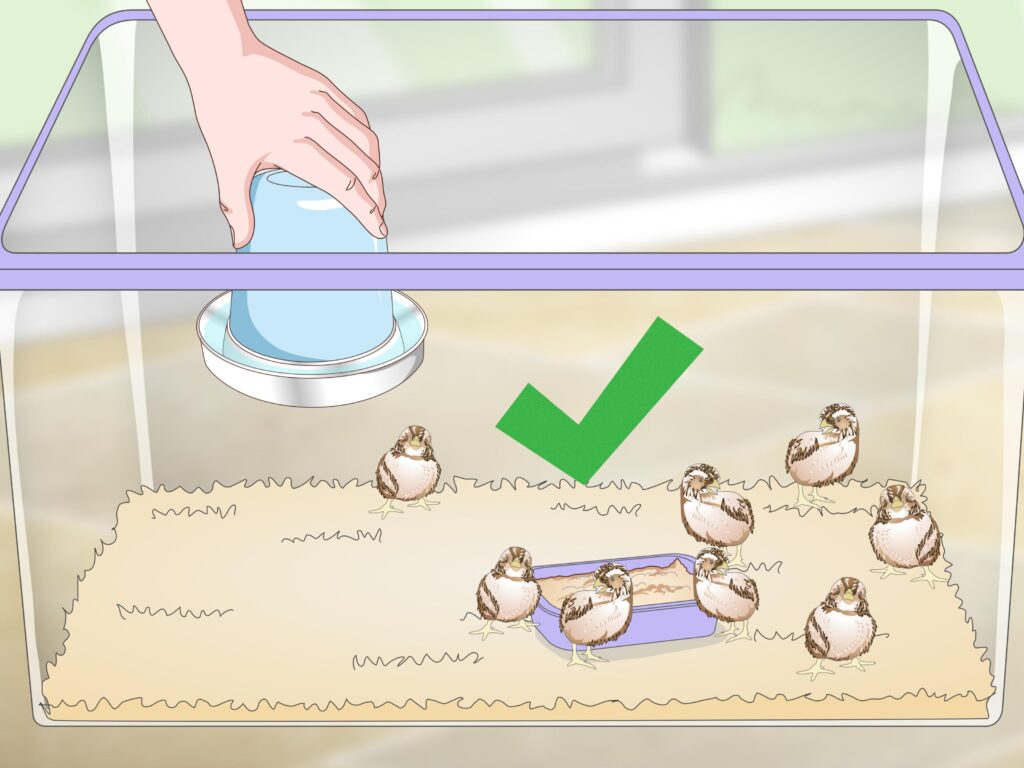
As a beginner, raising quail can seem daunting, but with the right guidance, it can be a rewarding experience. Quail are an excellent choice for small-scale farming, requiring minimal investment in feed and maintaining themselves with relative ease.
Choosing the Right Quail Species
For breeding quail, we recommend using the wild quail (Coturnix coturnix). This species is prolific, producing high-quality eggs and meat, making it ideal for both egg and meat production.
The wild quail can grow up to 80-100 grams in weight. They are a versatile species that can thrive in various environments, making them an excellent choice for small-scale farming.
Breeding Quail: Tips and Considerations
Quail breeding is relatively straightforward, requiring minimal expertise. Here are some key considerations:
- Breeding quail involves the mating process, which typically occurs between the second to third month of age.
- To promote successful breeding, it’s recommended to create small groups (harem) with a male-to-female ratio of 1:3 (one male per every three females).
- For a small-scale quail farm, start by raising 20 birds, consisting of five males and 15 females.
Setting Up the Quailery
When it comes to setting up the quailery, space is crucial. A minimum area of 4 square meters (40 square feet) is recommended for 20 birds.
- The quary should be placed on a solid foundation, consisting of a 3-cm thick layer of sand.
- Surrounding the quary must include:
- A feeding trough
- A nesting box with easy access to collect eggs from the outside
- A watering system (siphon feeder)
- A nesting area for males, as they prefer to walk on grass or plants rather than perches
Quail Nutrition and Health
Proper nutrition is essential for maintaining a healthy quail population. Here are some key considerations:
- Birds must have access to fresh vegetables and herbs daily.
- The diet should be adjusted according to the stage of development:
- Hatchlings: feed pullet feed
- Growing birds: feed starter feed (same as pullet feed for the first month)
- Maturity: supplement with a mixture of 75% pullet feed and 25% maize
Sexing Quail
When selecting quail, sexing is essential to ensure that you get the desired ratio. For beginners, it’s best to purchase sexed birds.
- Sexing involves observing the throat coloration:
- Females: white throat with small black spots
- Males: black throat and red patches on the chest
Sexing can be more challenging for young quail, so it’s recommended to wait until they reach maturity before making any decisions.
Q\&A
Here are some frequently asked questions related to raising quail:
- How many eggs does a quail female produce per week?
- An average quail female can lay around 4 eggs per week.
- Can I use a single male for multiple breeding cycles?
- No, it’s recommended to change the male every three breeding cycles to maintain genetic diversity and prevent stress on the females.
- What is the ideal feeding schedule for young quail?
- Feed pullet feed daily until the first month, then switch to starter feed.
- How often should I clean the quary?
- Clean the quary at least once a week to maintain hygiene and prevent disease.
- Can I use the same nesting box for all quail?
- Yes, but ensure that each female has her own nesting area with easy access to collect eggs from the outside.
Quail Rearing: A Step-by-Step Guide
Rearing quail requires attention to detail and a commitment to providing the best possible care. Here’s a step-by-step guide:
- Day 1-3: Install the feeding trough, watering system, and nesting boxes.
- Day 4-7: Introduce the quail to their new environment and ensure they have access to food, water, and shelter.
- Day 8-14: Monitor the quail’s health and adjust their diet accordingly.
- After Day 14: Start collecting eggs from the nesting boxes.
Quail Egg Production
When it comes to egg production, quail are prolific birds. Here are some key facts:
- An average quail female can lay around 300-400 eggs per year.
- Quail eggs are smaller than chicken eggs but just as nutritious.
- The best age for egg production is between the second to third month of age.
Quail Meat Production
For meat production, it’s recommended to start breeding quail at the age of three months. Here are some key considerations:
- The ideal weight for meat production is around 80-100 grams.
- Quail can be harvested every 3-4 weeks, depending on market demand.
- Meat production requires a different diet than egg production.
Quail Farming: A Growing Industry
The quail industry has been growing steadily over the years. Here are some key statistics:
- The global quail population is estimated to be around 10 million birds.
- Quail farming is a significant source of income for many small-scale farmers.
- The demand for quail eggs and meat is increasing due to their nutritional value and versatility.
Conclusion
Raising quail can be a rewarding experience, providing a steady supply of eggs and meat. By following the guidelines outlined in this guide, you can establish a thriving quail farm and enjoy the benefits of this unique industry. Whether you’re a beginner or an experienced farmer, quail farming is worth considering.
Additional Tips
Here are some additional tips for raising quail:
- Use a well-ventilated enclosure to prevent disease.
- Keep the quary clean and hygienic.
- Monitor the quail’s health daily and adjust their diet accordingly.
- Consider using a breed-specific feed for optimal performance.
By following these guidelines and considering the unique needs of quail, you can establish a thriving quail farm and enjoy the rewards of this rewarding hobby.


