
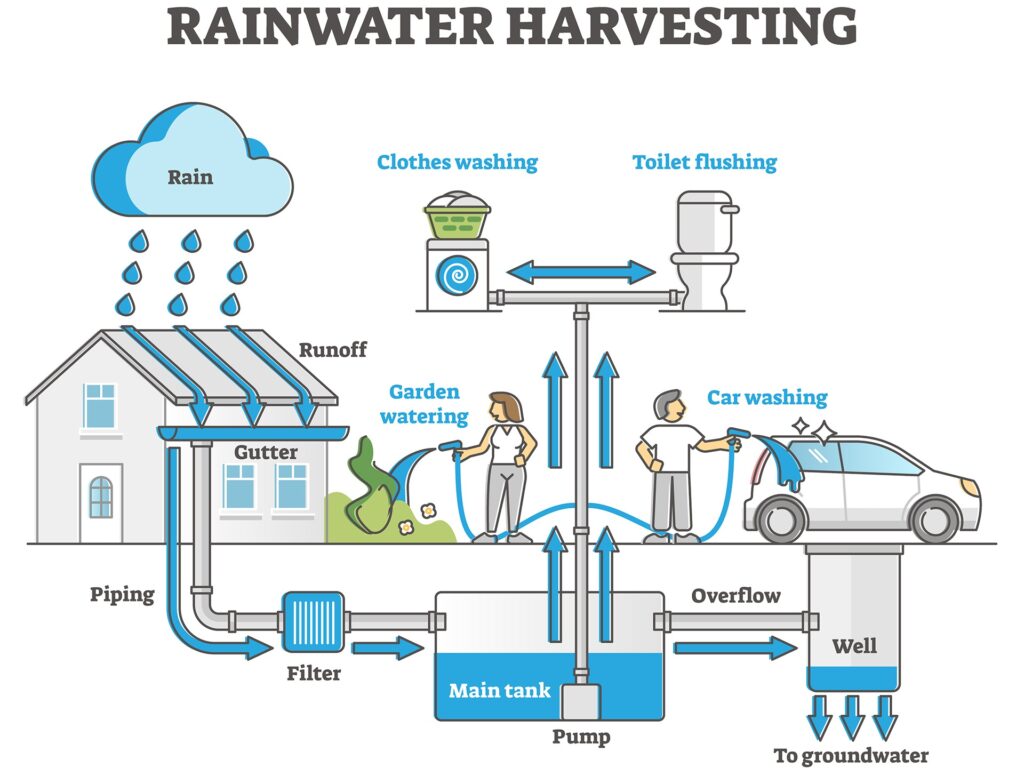
Rainwater harvesting is a crucial practice for sustainable living, and with the increasing awareness of water scarcity, it’s essential to explore its benefits. In this article, we’ll delve into the world of rainwater harvesting, discussing the types of systems available, their advantages, and how they can be integrated into your home.
Understanding Rainwater Harvesting
Rainwater harvesting involves collecting and storing rainwater for various uses, such as irrigation, toilet flushing, and even drinking water. This practice reduces the demand on municipal water supplies, alleviating pressure on aquifers and preventing water pollution. With a well-designed system, you can enjoy numerous benefits while minimizing your environmental footprint.
History of Rainwater Harvesting
Rainwater harvesting has been practiced for centuries, dating back to ancient civilizations such as the Egyptians and Greeks. In recent years, there has been a resurgence in interest in rainwater harvesting due to concerns about water scarcity, climate change, and the increasing demand on municipal water supplies.
Types of Rainwater Harvesting Systems
There are two primary types of rainwater harvesting systems:
- Inter rato systems: These systems involve burying the storage tank underground, which provides additional protection from sunlight and heat.
- Surface-mounted systems: These systems sit on top of the ground, making them easier to install but potentially occupying more space.
Benefits of Rainwater Harvesting
Rainwater harvesting offers numerous advantages:
- Reduced municipal water consumption
- Lower energy bills for pumping and treatment
- Improved water quality due to reduced runoff into storm drains
- Enhanced soil health through proper irrigation
When to Invest in a Rainwater Harvesting System
Rainwater harvesting is ideal for areas with moderate to high rainfall. If you live in an area with:
- 100-500 mm annual rainfall: A rainwater harvesting system can provide significant benefits.
- Less than 100 mm annual rainfall: The costs of installation may outweigh the benefits.
- More than 500 mm annual rainfall: System maintenance and replacement costs increase, making it less economical.
Designing a Rainwater Harvesting System
To create an efficient rainwater harvesting system:
- Identify the roof catchment area: Determine which section of your roof will collect the most rainwater.
- Choose the right storage tank size: Calculate the amount of rainfall that can be collected and stored for each use case (e.g., toilet flushing, irrigation).
- Install a first flush device: This prevents debris and contaminants from entering the storage tank.
- Add a filtration system: Include filters to ensure clean water quality.
Guidelines for Designing a Rainwater Harvesting System
To ensure your system is effective and efficient:
- Consult local regulations: Familiarize yourself with local building codes, permits, and inspections.
- Assess your roof’s suitability: Evaluate the condition, material, and slope of your roof to determine its potential for collecting rainwater.
- Design for maintenance: Consider easy access points for cleaning and inspecting the system.
Rainwater Harvesting Incentives and Benefits
Various incentives are available:
- Tax credits and rebates
- Low-interest loans for installation
- Increased property values
By embracing rainwater harvesting, you can make a significant impact on your environmental footprint while saving money on water bills.


