
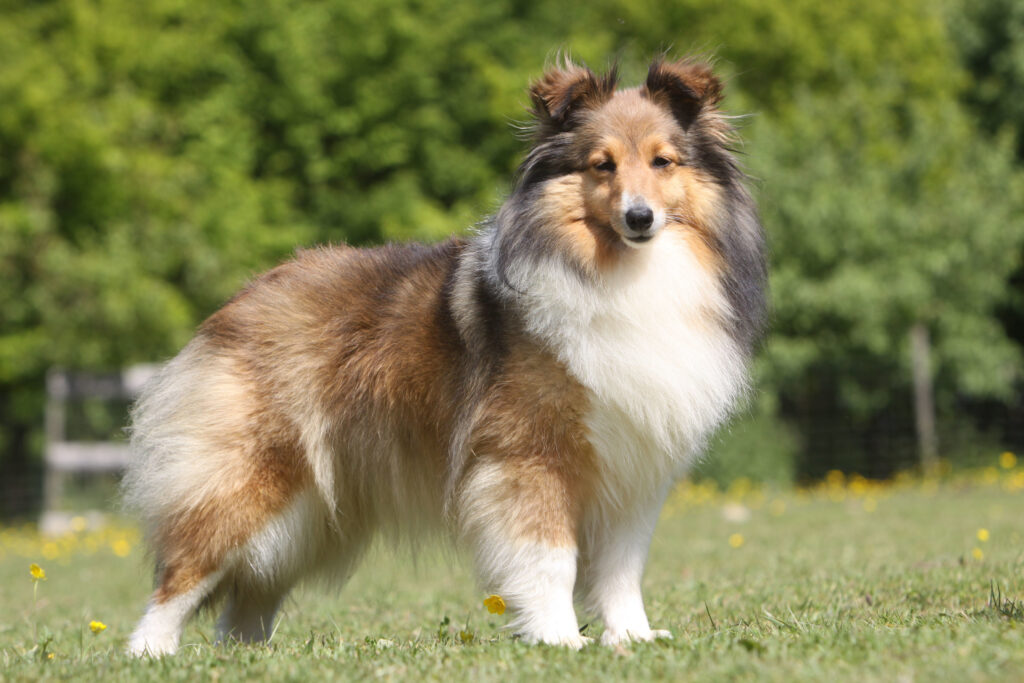
As a dog enthusiast, it’s essential to understand the characteristics of various breeds to make an informed decision about adding a new furry friend to your family. In this article, we’ll delve into the world of the Shetland Sheepdog, also known as the Pastore delle Shetland.
Introduction
The Shetland Sheepdog is a breed that’s often confused with other herding breeds, but it’s indeed a unique and special canine. Originating from the Shetland Islands, this breed was developed to herd sheep on the rugged terrain of these islands. With its small size and big personality, the Shetland Sheepdog has become a popular choice for many dog owners.
History
The name “Shetland Sheepdog” tells us about its origins. However, some experts believe that this breed may have been created by crossing Collies with Icelandic Yakkins, a now-extinct breed from Iceland. Regardless of its true origins, the Shetland Sheepdog was officially recognized as a distinct breed in 1909.
Physical Characteristics
The Shetland Sheepdog is a small dog with a big presence. It stands at approximately 40 cm (16 inches) tall and weighs between 6-8 kg (13-18 pounds). The breed comes in a variety of colors, including sable, tri-color (black, white, and tan), blue merle (gray-ticked coat), and bicolor (black and white). One of the distinctive features of this breed is its soft, fine coat that requires regular grooming.
Personality
The Shetland Sheepdog is known for its intelligence, loyalty, and strong herding instincts. This breed makes an excellent companion dog and is often used as a therapy dog due to its gentle nature. However, it’s not uncommon for owners to report that their Shetland Sheepdogs can be quite wary of strangers at first, but once they warm up, they become affectionate and playful.
Temperament
The Shetland Sheepdog is an intelligent breed that thrives on structure and clear boundaries. This makes it an excellent choice for active families or individuals who enjoy dog sports like agility training. The breed is generally easy to train, and its high intelligence allows it to pick up commands quickly.
Grooming and Diet
To maintain the Shetland Sheepdog’s coat, regular grooming is essential. The breed requires frequent brushing to prevent matting and tangling of the hair. As for diet, this breed needs a balanced and varied diet that meets its nutritional needs. Owners should also ensure their dogs receive regular exercise and mental stimulation to prevent boredom and stress.
Health Issues
Like all breeds, Shetland Sheepdogs can be prone to certain health issues, such as hip dysplasia, eye problems, and epilepsy. Regular veterinary check-ups and genetic testing can help identify potential health issues early on. Additionally, owners should keep an eye out for signs of stress or anxiety in their dogs, such as panting, pacing, or yawning.
Price
The cost of a Shetland Sheepdog puppy can vary depending on factors like breeder reputation, bloodline, and location. On average, a Shetland Sheepdog puppy can range from €700 to €800 (approximately $770-$880 USD). However, it’s essential to remember that buying a puppy from an irresponsible breeder can lead to health issues down the line.
Lifespan
With proper care and attention, the average lifespan of a Shetland Sheepdog is 12-15 years. Owners should be prepared for the long-term commitment of caring for their dog and make sure they have the resources to provide regular veterinary check-ups and preventative care.
Training and Socialization
The Shetland Sheepdog is an intelligent breed that responds well to training and socialization. Early socialization with people, dogs, and new environments can help prevent fear aggression and other behavioral issues. Training should start early, using positive reinforcement techniques to encourage good behavior.
Exercise Needs
Shetland Sheepdogs require regular exercise to maintain their physical health and mental stimulation. Daily walks of at least 30 minutes are essential, as well as playtime in a securely fenced area or dog park. Owners should also consider enrolling their dogs in dog sports like agility training to provide mental stimulation and challenge.
Conclusion
The Shetland Sheepdog is a unique breed that offers a loving companion experience for active families or individuals. With its intelligence, loyalty, and herding instincts, this breed makes an excellent choice for those looking for a dog that’s both trainable and affectionate. Whether you’re a seasoned dog owner or just starting your furry journey, the Shetland Sheepdog is definitely worth considering.
Frequently Asked Questions
- What are the characteristics of a Shetland Sheepdog?
The Shetland Sheepdog is an intelligent, loyal, and herding breed with a small size (40 cm/16 inches tall) and big personality. - Where did the Shetland Sheepdog originate from?
The Shetland Sheepdog originated from the Shetland Islands in Scotland. - What colors are allowed for the Shetland Sheepdog?
The breed comes in a variety of colors, including sable, tri-color (black, white, and tan), blue merle (gray-ticked coat), and bicolor (black and white). - How much exercise does a Shetland Sheepdog need?
Shetland Sheepdogs require regular exercise to maintain their physical health and mental stimulation. - Can I train my Shetland Sheepdog myself?
While it’s possible to train your Shetland Sheepdog yourself, the breed is generally responsive to training and benefits from clear boundaries and structure. - How often should I groom my Shetland Sheepdog?
Regular grooming (at least once a week) is essential to prevent matting and tangling of the hair. - What are some potential health issues in Shetland Sheepdogs?
Like all breeds, Shetland Sheepdogs can be prone to certain health issues, such as hip dysplasia, eye problems, and epilepsy. - Can I get a Shetland Sheepdog puppy online?
Yes, you can find Shetland Sheepdog puppies for sale online from reputable breeders or through rescue organizations. However, always ensure the breeder is responsible and prioritizes the health and well-being of their dogs.
Additional Tips
- Provide regular mental stimulation to prevent boredom and stress.
- Ensure your dog receives regular veterinary check-ups to monitor potential health issues.
- Invest in high-quality dog food that meets your dog’s nutritional needs.
- Consider enrolling your dog in dog sports like agility training for mental stimulation and challenge.
- Be prepared for the long-term commitment of caring for your Shetland Sheepdog.
By understanding the characteristics, needs, and requirements of the Shetland Sheepdog breed, you can make an informed decision about adding this unique and intelligent breed to your family.


