
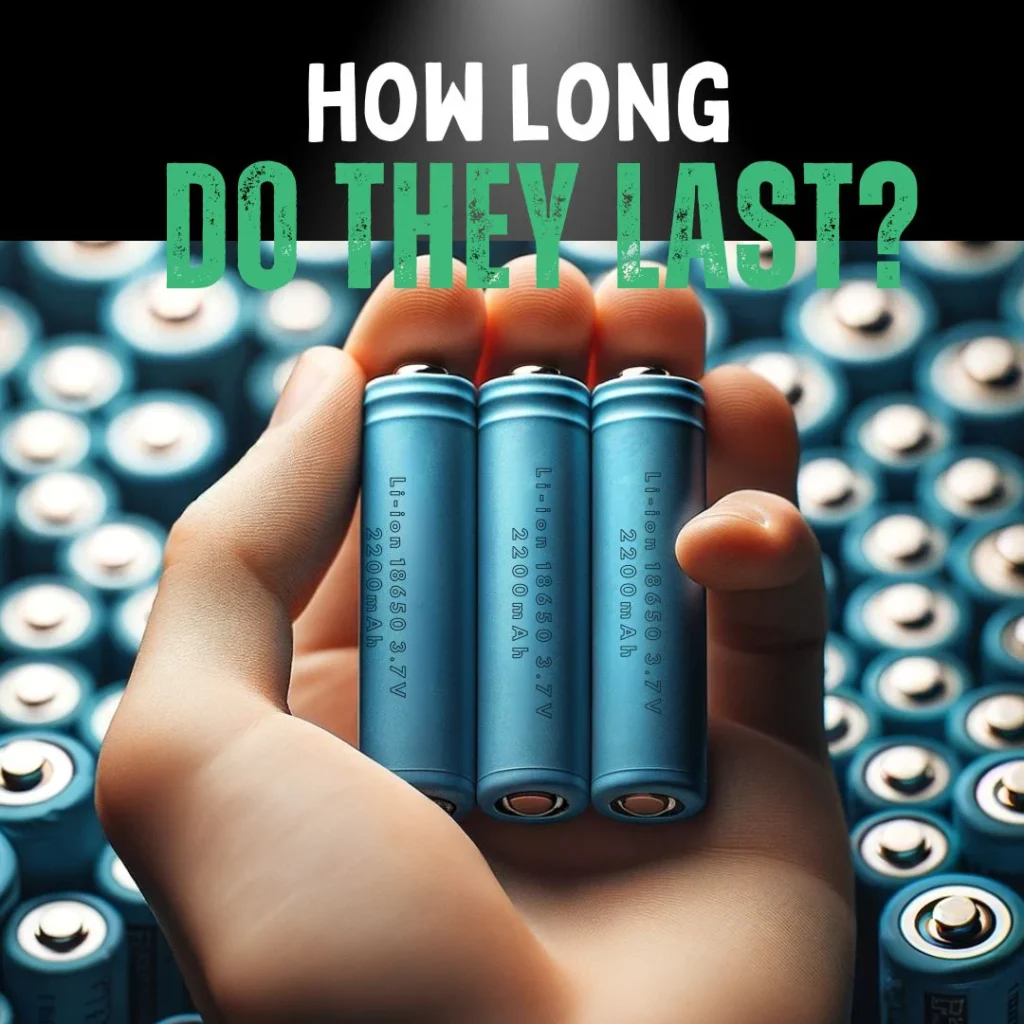
The world of lithium batteries has witnessed significant advancements in recent times. Germany has been at the forefront of innovation, introducing new technologies that promise to transform the industry. In this article, we will delve into the exciting developments in long-lasting and efficient lithium batteries, exploring their potential impact on various industries.
What are Lithium Batteries?
Lithium-ion batteries have become a cornerstone of modern technology, powering everything from smartphones to electric vehicles. These batteries offer high energy density, making them ideal for applications that require a significant amount of power. However, traditional lithium batteries have limitations when it comes to cycle life and overall performance.
The Breakthrough: Higher Density and Greater Efficiency
Recent breakthroughs in Germany have led to the development of new lithium batteries with improved density and efficiency. These innovations enable these batteries to support over 10,000 complete charge cycles, ensuring that more than 85% of the initial capacity remains intact. This significant improvement is a major leap forward in the industry.
A Team Effort: Collaboration between Researchers and Industry Partners
The development of these long-lasting lithium batteries involved a collaborative effort between researchers from the “Accumulator Material Research Department” at Ulm, specifically the Center for Solar Energy and Hydrogen Research (ZSW), and industrial partners. This collaboration has led to significant advancements in battery technology.
Long Cycle Life: A Game-Changer for Electric Vehicles
The lifespan of these lithium batteries increases, which directly translates to shorter recharging times. In contrast, traditional lithium-ion batteries can only handle around 300-500 charge cycles before their capacity begins to degrade. The new batteries promise a cycle life of over 10 years, ensuring at least 80% of the initial capacity.
Higher Battery Density: A Key Factor in Electric Vehicle Performance
The Applied Research Institute reports that battery density has reached an impressive 1,100 watts per kilogram. This is a significant increase from previous models and will have a direct impact on electric vehicle performance. With faster recharging times and optimal acceleration capabilities, these vehicles are poised to revolutionize the automotive industry.
Developing Larger Electrodes: The Next Step in Lithium Battery Advancements
While the new batteries are already impressive, their size is relatively small compared to what can be achieved. Researchers aim to develop larger electrodes for lithium batteries, which will further enhance performance and efficiency. This goal is not far off, with industrial partners collaborating closely with the research team.
Industry Partnerships: A Key Component of Lithium Battery Advancements
Just days after announcing the development of long-lasting lithium batteries, the ZSW signed a cooperation agreement with several automotive industry companies. These partnerships are crucial in driving innovation forward and ensuring that new technologies meet industry needs.
The agreements include collaborations between BMW AG, Daimler AG, Elring Klinger AG, Manz AG, Rockwood Lithium GmbH, and SGL Carbon GmbH. This network of industrial partners will play a vital role in developing and implementing these new lithium batteries.
BMW AG and the Future of Electric Vehicles
BMW AG has long been a leader in electric vehicle technology, with its i3 model being one of the first mass-produced electric vehicles on the market. The company’s partnership with the ZSW and other industry partners will likely have a significant impact on the future of electric vehicles.
With the new lithium batteries, BMW AG can expect to see improved range and performance in its electric models. This will enable the company to expand its offerings and cater to the growing demand for electric vehicles.
Daimler AG and the Advancements in Lithium Battery Technology
Daimler AG has also partnered with the ZSW and other industry partners, demonstrating its commitment to innovation and sustainability. The company’s partnership with the ZSW will enable it to develop more efficient and cost-effective lithium batteries, which will be essential for the development of electric vehicles.
Elring Klinger AG and the Role of Lithium Batteries in Energy Storage
Elring Klinger AG has a long history of developing high-quality energy storage solutions, including lithium-ion batteries. The company’s partnership with the ZSW will enable it to develop more advanced lithium battery technologies, which will be essential for the development of renewable energy systems.
Manz AG and the Development of Lithium Batteries
Manz AG is a leading manufacturer of equipment for the production of lithium-ion batteries. The company’s partnership with the ZSW will enable it to develop more efficient and cost-effective battery production methods, which will be essential for the widespread adoption of electric vehicles and renewable energy systems.
Rockwood Lithium GmbH and the Importance of Lithium Supply
Rockwood Lithium GmbH is a leading supplier of lithium carbonate to the battery industry. The company’s partnership with the ZSW will enable it to develop more efficient and cost-effective lithium supply chains, which will be essential for the widespread adoption of electric vehicles and renewable energy systems.
SGL Carbon GmbH and the Role of Graphite in Lithium Batteries
SGL Carbon GmbH is a leading manufacturer of graphite, a key component in lithium-ion batteries. The company’s partnership with the ZSW will enable it to develop more efficient and cost-effective graphite production methods, which will be essential for the development of renewable energy systems.
Conclusion: A New Era for Lithium Batteries
The recent advancements in long-lasting and efficient lithium batteries are set to revolutionize various industries. From electric vehicles to renewable energy systems, the benefits of these batteries will be felt far beyond the automotive sector.
As researchers continue to push the boundaries of what is possible with lithium battery technology, we can expect to see significant improvements in performance, efficiency, and overall lifespan. The collaboration between industry partners and researchers has laid the groundwork for a new era in lithium battery development.
Frequently Asked Questions
- What are the key benefits of long-lasting lithium batteries?
Long-lasting lithium batteries offer improved cycle life, increased energy density, and enhanced overall performance. - How do these batteries compare to traditional lithium-ion batteries?
Long-lasting lithium batteries can support over 10,000 charge cycles compared to around 300-500 for traditional lithium-ion batteries. - What is the expected impact of these advancements on electric vehicles?
The new batteries will enable faster recharging times and optimal acceleration capabilities, making electric vehicles more practical and efficient. - How significant is the battery density improvement?
Battery density has reached an impressive 1,100 watts per kilogram, a substantial increase from previous models. - What are the next steps in lithium battery development?
Researchers aim to develop larger electrodes for lithium batteries, further enhancing performance and efficiency. - Who are some of the key industry partners involved in these advancements?
BMW AG, Daimler AG, Elring Klinger AG, Manz AG, Rockwood Lithium GmbH, and SGL Carbon GmbH have partnered with researchers from the ZSW. - When can we expect to see these new lithium batteries on the market?
While an exact timeline is not available, the recent breakthroughs suggest that long-lasting and efficient lithium batteries are set to become a reality in the near future. - What does this mean for renewable energy systems?
The advancements in lithium battery technology will likely have significant implications for renewable energy systems, enabling more efficient and reliable power storage solutions.
Future Outlook: A Bright Future for Lithium Batteries
As researchers continue to push the boundaries of what is possible with lithium battery technology, we can expect to see significant improvements in performance, efficiency, and overall lifespan. The collaboration between industry partners and researchers has laid the groundwork for a new era in lithium battery development.
The future outlook for lithium batteries looks bright, with numerous advancements on the horizon. As the demand for electric vehicles and renewable energy systems continues to grow, it is likely that lithium batteries will play an increasingly important role in meeting this demand.
In conclusion, the recent breakthroughs in long-lasting and efficient lithium batteries are set to revolutionize various industries. With the collaboration between industry partners and researchers, we can expect to see significant improvements in performance, efficiency, and overall lifespan.
As we look to the future, it is clear that lithium batteries will play a vital role in shaping the world of tomorrow. Whether it’s powering electric vehicles or enabling renewable energy systems, lithium batteries have the potential to transform industries and change the way we live our lives.


