
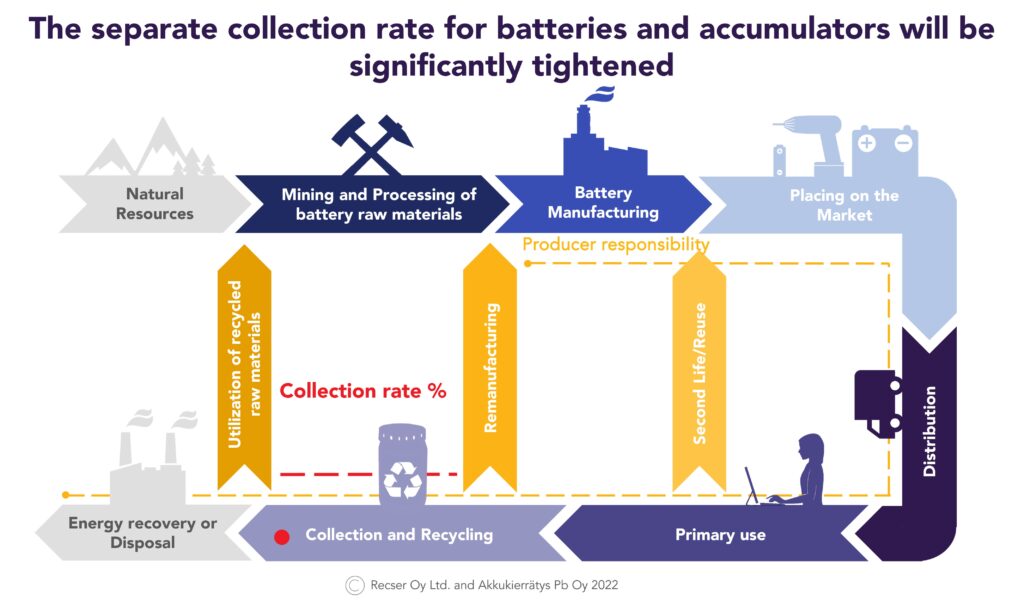
As we continue to rely on portable devices, our waste generation increases at an alarming rate. One type of waste that has become increasingly common is discarded batteries and accumulators. In this article, we’ll delve into the issue of battery disposal in Italy and explore the efforts being made to address it.
The Scale of the Problem
According to the Centro di Coordinamento Nazionale Pile e Accumulatori (National Battery and Accumulator Coordination Center), the number of discarded batteries and accumulators is growing at a rapid pace. In 2013, they accounted for approximately 31.8% of new portable devices sold in Italy. This staggering figure highlights the need for effective waste management strategies to mitigate the environmental impact of these toxic materials.
Why Aren’t They Being Recycled?
Unfortunately, not all discarded batteries and accumulators are being recycled. Many are simply thrown away with other household waste, contributing to the environmental damage caused by these toxic materials. The lack of proper disposal methods has led to a significant increase in waste sent to landfills, where it can contaminate soil and water.
The Hidden Dangers of Discarded Batteries and Accumulators
Discarded batteries and accumulators pose a significant threat to the environment due to their toxic components. These materials can leach into soil and water, contaminating ecosystems and posing health risks to humans. The most common culprits are lead, mercury, and cadmium, which can cause serious health problems if ingested or inhaled.
Progress in Battery Recycling
However, there is good news. The number of batteries and accumulators being recycled has increased significantly since 2012. In 2013, a total of 8.4 million kg of waste were collected from battery recycling programs, with approximately 2.8 million kg coming directly from the CDCNPA’s coordination efforts. This marked a significant improvement in Italy’s battery recycling rates, indicating that industry-led initiatives and government support are starting to bear fruit.
The Role of Industry-Led Initiatives
Industry-led initiatives have played a crucial role in increasing battery recycling rates. Companies are working to establish take-back programs for their products, which helps to ensure that batteries and accumulators are recycled responsibly. This collaborative approach has been instrumental in promoting sustainable waste management practices and reducing the environmental impact of discarded batteries.
Regional Variations in Recycling Rates
While progress has been made nationwide, there are regional variations in recycling rates. The Lombardy region stands out as a leader in this area, with 477.095 kg of batteries and accumulators collected in 2013. Other regions, such as Emilia Romagna and Piedmont, also show promising results. However, more work needs to be done to address the disparities between regions and ensure that all areas are working towards sustainable waste management practices.
The Importance of Point-of-Sale Recycling
The success of the recycling efforts can be attributed to the presence of point-of-sale recycling facilities. These facilities allow consumers to drop off their used batteries and accumulators for proper disposal. Regions with more points of sale tend to have higher recycling rates, indicating that accessible recycling options are crucial in promoting sustainable waste management practices.
A Call to Action: Increase Recycling Rates Nationally
While progress has been made, there is still much work to be done. To address the issue of discarded batteries and accumulators, we need to increase recycling rates nationwide. This can be achieved through continued efforts by industry leaders, government initiatives, and community involvement. By working together, we can reduce the environmental damage caused by these toxic materials and promote more sustainable waste management practices.
The Future of Sustainable Waste Management
As technology continues to advance, innovative solutions are being developed to tackle the issue of discarded batteries and accumulators. For example, some companies are exploring the use of biodegradable batteries that can safely decompose in the environment. Additionally, researchers are working on developing more efficient recycling methods to minimize waste and reduce costs.
Conclusion
The issue of discarded batteries and accumulators is a pressing concern that requires immediate attention. By understanding the scale of the problem, recognizing the importance of industry-led initiatives, and promoting accessible recycling options, we can work towards reducing the environmental impact of these toxic materials. It’s time for us to take action and ensure that our waste management practices are aligned with sustainable values.
Frequently Asked Questions (FAQs)
- What percentage of new portable devices sold in Italy are discarded batteries and accumulators?
Approximately 31.8% of new portable devices sold in Italy are discarded batteries and accumulators.
- How many kg of waste were collected from battery recycling programs in 2013?
A total of 8.4 million kg of waste were collected from battery recycling programs in 2013.
- What percentage of batteries and accumulators come from industry-led initiatives?
Approximately 70% of batteries and accumulators come from industry-led initiatives.
- Which region has the highest number of points of sale for battery recycling?
Lombardy region has the highest number of points of sale for battery recycling, with over 700 facilities.
- How many kg of batteries and accumulators were collected in Lombardy region in 2013?
Approximately 477.095 kg of batteries and accumulators were collected in the Lombardy region in 2013.
- What is the main cause of environmental damage caused by discarded batteries and accumulators?
The main cause of environmental damage is the toxic materials released during their disposal, which can contaminate soil and water.
- How can individuals contribute to reducing the amount of discarded batteries and accumulators?
Individuals can contribute by properly disposing of batteries and accumulators at designated recycling facilities or through industry-led take-back programs.
- What is the recommended percentage of battery recycling rates in Europe?
The European Union recommends a minimum of 45% of battery recycling rates for all types of waste, including batteries and accumulators.


