
The Benefits of the Barf Diet for Dogs
As a dog owner, you may have wondered whether it’s best to feed your furry friend industrial-grade kibble or fresh, unprocessed food. In recent years, the term “Barf” has gained popularity among pet owners and veterinarians alike. But what exactly is the Barf diet, and how can it benefit your canine companion?
Understanding the Barf Diet
The Barf diet, short for Biologically Appropriate Raw Food, is a natural feeding approach that aims to mimic the wild diet of our ancestors. It’s based on the principle that every living being has its unique digestive system, and that dogs are naturally carnivores. According to veterinarians and nutritionists who support this type of diet, Barf represents a correct and healthy eating pattern that involves consuming raw, biologically appropriate food.
The History of Barf
So, what sparked the interest in the Barf diet? David Bettio, a veterinarian and president of the Italian Society for Homeopathy in Animals, has been a long-time advocate for this approach. “I’ve seen incredible benefits from feeding my patients with the Barf diet,” he says. “It’s not just about improving their digestive health; it also boosts their energy levels and overall well-being.”
Key Benefits of the Barf Diet
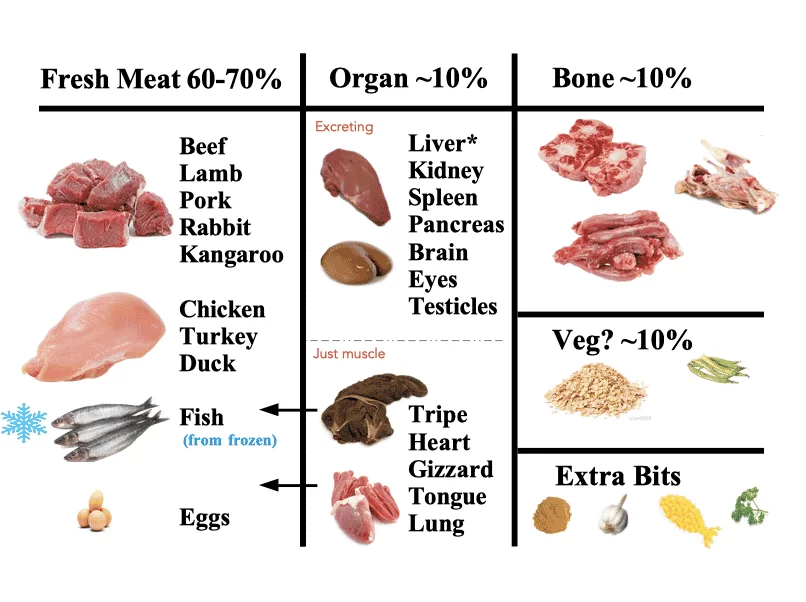
But what exactly makes the Barf diet so special? For starters, it involves feeding your dog a diet rich in meat, bones, organs, and vegetables – all in their raw, unprocessed form. This approach has several benefits:
- Improved Digestive Health: By feeding your dog’s natural prey-based diet, you can help reduce the risk of digestive issues like bloating, gas, and diarrhea.
- Increased Energy Levels: A Barf diet can give your dog a boost of energy and vitality, thanks to the natural nutrients found in raw meat and bones.
- Reduced Allergies and Sensitivities: By introducing new foods gradually, you can help reduce the risk of allergies and sensitivities in your dog.
Addressing Common Concerns
But before making the switch to a Barf diet, there are some concerns to consider. One of the most pressing issues is food safety: what about the risk of Salmonella contamination? “It’s true that there’s a risk,” admits Bettio, “but it’s also a risk with commercial kibble. With proper handling and storage, you can minimize this risk.”
Transitioning to a Barf Diet
So, how do you make the switch from industrial-grade kibble to a fresh, unprocessed diet? There are several approaches to consider:
- Gradual Introduction: If your dog is used to commercial kibble, it’s best to introduce new foods gradually. Start by mixing small amounts of raw meat or bones into their regular meals.
- Consulting with a Veterinarian: Before making any significant changes to your dog’s diet, consult with your veterinarian. They can help you determine the best approach for your furry friend.
Frequently Asked Questions
Here are some answers to common questions about the Barf diet:
- Can I feed my dog a Barf diet if they have health problems?
- Consult with your veterinarian before making any significant changes to your dog’s diet.
- Is it safe to give my dog raw bones?
- Choose bones that are specifically labeled as “safe” for canine consumption, and always supervise your dog during mealtime.
- How much does a Barf diet cost?
- The cost can vary depending on the specific ingredients and suppliers you choose.
Conclusion
The Barf diet is a natural, unprocessed approach to feeding your dog that has gained popularity in recent years. By mimicking the wild diet of our ancestors, you can help reduce the risk of digestive issues, improve energy levels, and promote overall well-being. With proper handling and storage, food safety concerns can be minimized. So why not give your furry friend a try?
FAQs
Here are some answers to common questions about the Barf diet:
- Q: Can I feed my dog a Barf diet if they have health problems?
A: Consult with your veterinarian before making any significant changes to your dog’s diet. - Q: Is it safe to give my dog raw bones?
A: Choose bones that are specifically labeled as “safe” for canine consumption, and always supervise your dog during mealtime. - Q: How much does a Barf diet cost?
A: The cost can vary depending on the specific ingredients and suppliers you choose. - Q: Can I feed my dog a Barf diet if they are pregnant or nursing?
A: Consult with your veterinarian before making any significant changes to your dog’s diet. - Q: How do I store raw meat and bones safely?
A: Keep them refrigerated at a temperature of 40°F (4°C) or below, and always handle them with clean hands.
References
- Bettio, D. (2020). La dieta Barf per i cani. Società Italiana di Omeopatia Veterinaria.
- National Research Council. (2006). Nutrient Requirements of Dogs. National Academies Press.
Benefits of a Raw Diet for Dogs
Feeding your dog a raw diet can have numerous benefits, including improved digestion, increased energy levels, and reduced allergies and sensitivities. A raw diet also allows your dog to eat the way they were meant to, mimicking their wild ancestors’ diet.
Raw Meat and Organs: The Building Blocks of a Healthy Diet
Raw meat and organs are rich in essential nutrients, including protein, vitamins, and minerals. These nutrients are crucial for maintaining optimal health, including:
- Protein: necessary for muscle growth and maintenance
- Vitamin A: important for vision, immune function, and skin health
- Calcium: essential for bone growth and density
The Benefits of a Raw Diet on Digestive Health
A raw diet can have numerous benefits on your dog’s digestive health, including:
- Reduced inflammation in the digestive tract
- Improved gut health through the introduction of beneficial bacteria
- Enhanced nutrient absorption through the breakdown of raw meat and organs
Addressing Common Concerns about a Raw Diet
While some people may be hesitant to feed their dogs a raw diet due to concerns about food safety, it’s essential to understand that these concerns can also apply to commercial kibble. Proper handling and storage can minimize the risk of contamination.
Gradual Introduction: The Key to a Smooth Transition
If you’re considering switching your dog to a raw diet, it’s best to introduce new foods gradually. This allows your dog to adjust to the new diet without experiencing digestive upset. Start by mixing small amounts of raw meat or bones into their regular meals and gradually increase the proportion of raw food over time.
Consulting with a Veterinarian: Essential for a Healthy Transition
Before making any significant changes to your dog’s diet, consult with your veterinarian. They can help you determine the best approach for your furry friend and ensure that the transition is smooth and safe.
Frequently Asked Questions about a Raw Diet
Here are some answers to common questions about a raw diet:
- Q: Is it safe to give my dog raw bones?
A: Choose bones that are specifically labeled as “safe” for canine consumption, and always supervise your dog during mealtime. - Q: How much does a raw diet cost?
A: The cost can vary depending on the specific ingredients and suppliers you choose. - Q: Can I feed my dog a raw diet if they have health problems?
A: Consult with your veterinarian before making any significant changes to your dog’s diet.
Conclusion
A raw diet can be an excellent choice for dogs, providing numerous benefits for digestive health, energy levels, and overall well-being. By understanding the benefits of a raw diet and addressing common concerns, you can ensure that your furry friend receives the best possible nutrition.


