
The Solid Shampoo: How it Works and its Benefits
As someone who has made the switch from liquid to solid shampoo, I can attest that it’s not just about making a change for the sake of the environment. It’s also about discovering a more effective and sustainable way to care for your hair.
In this article, we’ll explore the world of solid shampoos and balms, and how they’re revolutionizing the way we think about personal care. We’ll delve into the benefits of using solid products, discuss some common misconceptions, and provide tips on how to incorporate them into your daily routine.
The Rise of Solid Shampoo
In recent years, there’s been a resurgence in interest for solid shampoos and balms. This is largely due to the growing awareness of environmental issues and the desire for more sustainable living. The rise of social media has also played a significant role in popularizing these products, with influencers and bloggers sharing their experiences and promoting eco-friendly alternatives.
But what exactly is a solid shampoo? Is it just a fancy name for soap? And how does it compare to traditional liquid shampoos?
How Solid Shampoo Works
Solid shampoo works similarly to its liquid counterpart. You apply the product directly to your hair, massage it in, and then rinse with warm water. However, there are some key differences between solid and liquid products.
Unlike liquid shampoos, which often contain harsh chemicals and preservatives, solid shampoos tend to be more natural and gentle on the hair. They’re also often free from sulfates, parabens, and other synthetic ingredients that can strip your hair of its natural oils.
One of the biggest benefits of solid shampoo is that it reduces packaging waste. Traditional liquid shampoos come in plastic bottles that are often discarded after a single use, contributing to the staggering amount of plastic waste in our oceans and landfills.
Benefits of Solid Shampoo
So, what exactly are the benefits of using solid shampoo? Here are just a few:
- Environmental Benefits: As mentioned earlier, solid shampoos reduce packaging waste and minimize the amount of plastic that ends up in our environment.
- Natural Ingredients: Solid shampoos tend to be made from natural ingredients that are gentler on your hair and skin.
- Longer Shelf Life: Because solid shampoos don’t contain water, they have a longer shelf life than liquid products.
- Cost-Effective: Solid shampoos can be more cost-effective in the long run, as you only need to use a small amount of product.
How to Choose the Right Solid Shampoo
With so many options available, it can be overwhelming to choose the right solid shampoo for your hair type and needs. Here are some tips to help you make an informed decision:
- Consider Your Hair Type: If you have dry or damaged hair, look for a solid shampoo that’s rich in moisturizing ingredients.
- Read Reviews: Check out reviews from other users who have tried the product to get a sense of its effectiveness and any potential drawbacks.
- Look for Natural Ingredients: Opt for solid shampoos made from natural ingredients that are gentle on your hair and skin.
Types of Solid Shampoos
There are several types of solid shampoos available, each with its own unique benefits and characteristics. Here are a few examples:
- Solid Liquid Shampoo Alternatives: These shampoos use a combination of natural ingredients to create a liquid-like consistency without the need for water.
- Bar Soap-Based Shampoos: These shampoos are made from a mixture of natural ingredients, including bar soap, which provides cleansing and moisturizing properties.
- Balm-Based Shampoos: These shampoos use a thick balm-like consistency to clean and nourish the hair.
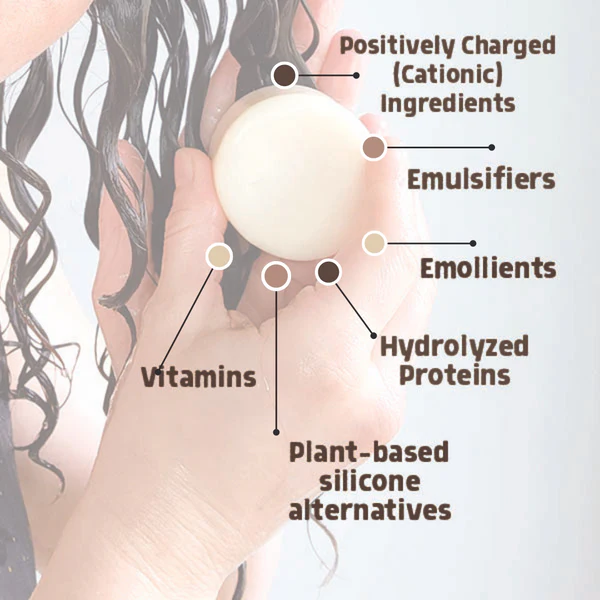
Ingredients in Solid Shampoos
Solid shampoos can contain a wide range of ingredients, both natural and synthetic. Here are some common ingredients found in solid shampoos:
- Natural Oils: Such as coconut oil, olive oil, and jojoba oil, which provide moisturizing and nourishing properties.
- Herbs and Spices: Such as tea tree oil, lavender oil, and cinnamon powder, which have anti-inflammatory and antiseptic properties.
- Minerals: Such as salt, baking soda, and activated charcoal, which provide cleansing and purifying properties.
How to Use Solid Shampoo
Using solid shampoo is relatively straightforward. Here’s a step-by-step guide:
- Wet your hair with warm water.
- Apply the solid shampoo directly to your hair, making sure to cover all areas evenly.
- Massage the shampoo into your scalp and work it down through your hair using a gentle massaging motion.
- Leave the shampoo on for about 30 seconds to 1 minute before rinsing with warm water.
- Repeat as needed, depending on your hair type and needs.
Tips for Using Solid Shampoo
Here are some tips to help you get the most out of your solid shampoo:
- Use a small amount: Solid shampoos can be more concentrated than liquid products, so start with a small amount and gradually increase as needed.
- Massage it in thoroughly: Make sure to massage the shampoo into your scalp and work it down through your hair to ensure thorough cleansing.
- Rinse thoroughly: Rinse your hair thoroughly with warm water to remove all soap residue.
Common Misconceptions about Solid Shampoo
There are several common misconceptions about solid shampoo that can help you make an informed decision:
- Solid shampoos are too harsh or drying: While some solid shampoos may be more concentrated than liquid products, they’re often designed to be gentle and nourishing for the hair.
- Solid shampoos don’t clean your hair effectively: Solid shampoos can be just as effective at cleaning your hair as liquid products, especially if you massage them in thoroughly.
Alternatives to Solid Shampoo
While solid shampoo has its benefits, it may not be the right choice for everyone. Here are some alternatives to consider:
- Liquid Shampoos: Liquid shampoos are still a popular option for many people, and can provide effective cleansing without the need for water.
- Solid Conditioners: Solid conditioners are another alternative to solid shampoo, providing nourishing and moisturizing properties without the need for water.
Conclusion
The solid shampoo revolution is just getting started, and it’s an exciting time for those looking for more sustainable and effective personal care options. By choosing a solid shampoo that meets your needs and preferences, you can join the movement towards a more environmentally friendly future.


