
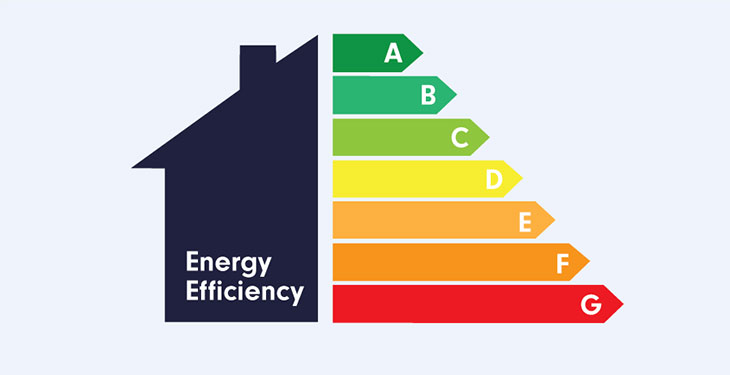
In today’s world, where energy efficiency and sustainability are becoming increasingly important, high efficiency boilers have emerged as a smart choice for homeowners who want to reduce their environmental footprint while also saving on energy bills. These boilers are designed to efficiently transfer heat to water with minimal energy consumption, making them an attractive option for those looking to upgrade from traditional boilers.
In this article, we will delve into the world of high efficiency boilers, exploring their benefits, key considerations, and government incentives that can help make the transition to a more sustainable future easier. We will also discuss condensing boilers, which have revolutionized the way we think about energy efficiency, and provide tips for choosing the right boiler size and model for your needs.
Understanding High Efficiency Boilers
A high efficiency boiler is an appliance that efficiently transfers heat to water with minimal energy consumption. This type of boiler has a lower environmental impact and reduces energy bills, especially when paired with renewable energy sources like solar thermal systems. By using advanced technologies such as condensation and heat recovery, high efficiency boilers can achieve efficiency rates of up to 95%, significantly higher than traditional boilers.
In any home, hot water production accounts for a significant portion of the energy bill, particularly if it’s generated by an older electric tankless water heater. Approximately 80% of the energy used in a building is actually used for heating and producing hot water. High efficiency boilers can help mitigate this issue by providing hot water efficiently while reducing energy consumption.
Condensing Boilers: A Game-Changer in Energy Efficiency
Boilers with condensation technology have taken the world of energy efficiency by storm, offering a significant improvement over traditional boilers. By recovering heat from exhaust gases and generating more power, condensing boilers eliminate unnecessary energy waste (heat dissipated as exhaust fumes) and achieve higher thermal efficiency compared to older models.
This leads to energy savings of up to 35% compared to older models. When purchasing a high-efficiency boiler with condensation technology, make sure it’s designed to work seamlessly with your solar thermal system to minimize its impact on the electrical grid.
Benefits of Condensing Boilers
• Higher thermal efficiency: Up to 95% efficient
• Lower energy bills: Energy savings of up to 35%
• Reduced environmental impact: Minimizes heat loss and reduces greenhouse gas emissions
Choosing the Right Boiler Size
To meet the heating needs of an apartment measuring 100 square meters occupied by two or three people, a boiler with a capacity of 24 kW might be sufficient. For larger apartments, boilers with capacities ranging from 30 to 35 kW will be required.
When selecting a high efficiency boiler, it’s essential to consider factors such as the size of your home, insulation level, and climate zone to ensure you choose the right model for your needs.
Government Incentives for Energy Efficiency
The government provides incentives for homeowners who choose to upgrade their energy efficiency by replacing old boilers with high-efficiency models. These incentives include tax credits of 50% or 65% (up to December 31, 2014) off the cost of purchasing a high-efficiency boiler. These incentives are available until December 31, 2016.
Additional Incentives
• Rebates: Many utility companies offer rebates for installing energy-efficient appliances and systems.
• Property tax credits: Some states and local governments offer property tax credits for energy-efficient upgrades.
Key Considerations for Choosing a High Efficiency Boiler
When selecting a high efficiency boiler, there are several factors to consider to ensure you make an informed decision. Here are some key considerations:
- Look for boilers designed to work with solar thermal systems: If you plan to install a solar thermal system, choose a boiler that’s specifically designed to work with it.
- Check the warranty and reliability of the boiler model: A longer warranty and higher reliability can provide peace of mind and protect your investment.
- Compare prices and models from different manufacturers: Research different manufacturers and compare their products to find the best value for your money.
- Ensure compliance with local building codes and regulations: Make sure the boiler you choose meets all relevant building codes and regulations in your area.
Types of High Efficiency Boilers
High efficiency boilers come in a range of models, each with its unique features and benefits. Here are some common types:
- Condensing Boilers: As mentioned earlier, condensing boilers use advanced technologies to recover heat from exhaust gases and generate more power.
- Heat Pump Boilers: Heat pump boilers work by transferring heat from one location to another, often using refrigeration technology.
- Hybrid Boilers: Hybrid boilers combine different technologies, such as gas-fired heating with a heat pump, to achieve high efficiency.
DIY Solar Water Heaters: A Cost-Effective Solution
For those on a tight budget or who prefer to take matters into their own hands, DIY solar water heaters can be a cost-effective solution. These systems use solar thermal collectors to heat water and can be installed at home with minimal effort.
To build your own low-cost solar water heater, follow these steps:
- Choose the right materials: Select materials that are durable, corrosion-resistant, and suitable for outdoor use.
- Design a functional system: Plan a system that’s efficient, safe, and easy to maintain.
- Follow safety guidelines: Always follow safety guidelines when working with electrical components and solar panels.
Conclusion
High efficiency boilers have emerged as a smart choice for homeowners who want to reduce their environmental footprint while also saving on energy bills. By understanding the benefits of high efficiency boilers, choosing the right boiler size and model, and taking advantage of government incentives, you can make an informed decision that suits your needs and budget.
Remember to consider factors such as condensation technology, heat recovery, and warranty when selecting a high efficiency boiler. With the right choice, you can enjoy a more sustainable future while saving money on energy bills.


