
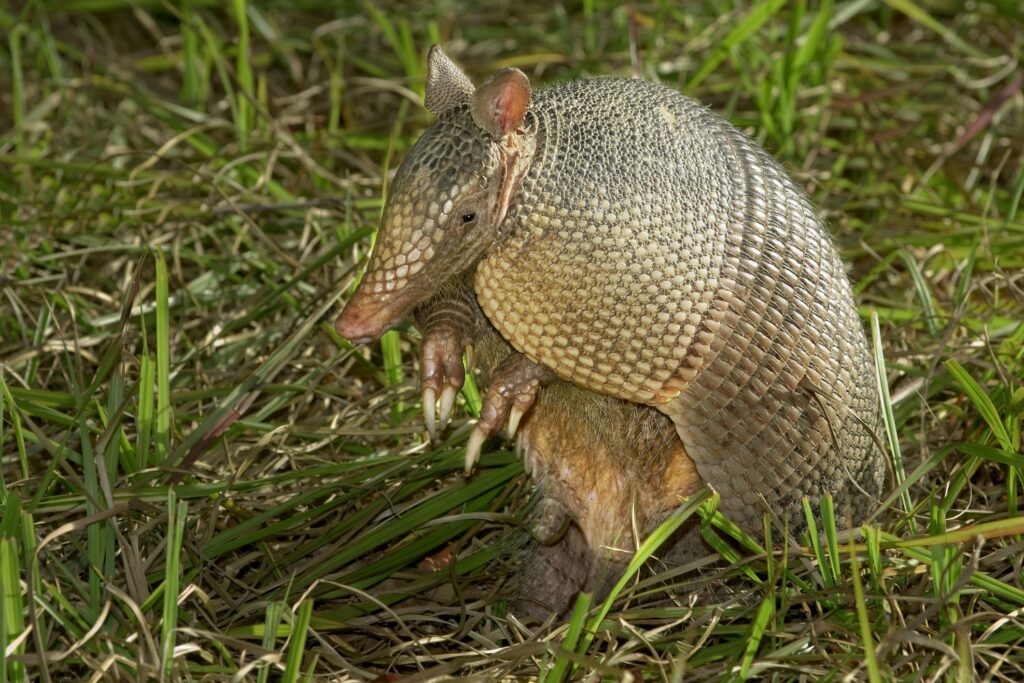
The armadillo domestic is a fascinating creature that has captured the attention of many people. While it may not be as common as other domesticated animals, the armadillo’s unique appearance and intriguing behavior make it a popular choice among animal enthusiasts.
However, before considering bringing an armadillo into your home, it’s essential to understand the laws and regulations surrounding their ownership. In many countries, including Italy, the possession of armadillos is strictly regulated, and in some cases, even prohibited.
Origins and History
The armadillo domestic has a long and fascinating history that dates back to the Pleistocene era. These mammals were once found in the same habitats as giant armadillos, which could reach lengths of over three meters. Over time, they evolved into the unique creatures we know today, with their distinctive armor-plated shells.
Despite their intriguing history, armadillos have never been domesticated. While some people may be tempted to keep them as pets, it’s crucial to remember that these animals are wild and belong in their natural habitats.
Physical Characteristics
Armadillos are medium-sized mammals that typically reach lengths of 40-60 cm, with an additional 25-50 cm for their tails. Their bodies are covered in a protective shell made up of bony plates, which provides them with excellent defense against predators.
Anatomy-wise, armadillos have a pointed snout, small eyes, and short legs with five clawed toes that allow them to dig burrows efficiently. Their long, sturdy tails serve as an additional defense mechanism, helping to balance their bodies while digging.
Behavior
Armadillos are nocturnal animals that spend most of their time underground, where they can safely forage for food and escape predators. They’re solitary creatures but may occasionally be seen in pairs during the mating season.
In terms of diet, armadillos are insectivores, feeding primarily on insects, worms, ants, and other small invertebrates. While they’ll also consume fruits, vegetables, and small vertebrates if given the opportunity.
Care and Management
Providing proper care and management is essential for ensuring the health and well-being of an armadillo. Here are some key considerations:
- Diet: Armadillos require a balanced diet that includes fresh fruits and vegetables, as well as insects and other small invertebrates.
- Environment: The enclosure must be spacious enough to accommodate the animal’s digging behavior, with adequate ventilation and temperature control.
- Temperature: Armadillos are sensitive to extreme temperatures and should be kept in a room with a consistent temperature between 75°F and 85°F (24°C and 29°C).
- Humidity: The enclosure must maintain a relative humidity of around 50% to prevent dehydration.
Legal and Ethical Considerations
Laws regarding armadillo ownership vary by country. In Italy, for example, owning an armadillo is subject to strict regulations, including obtaining a special permit from local authorities.
While some people may be tempted to keep armadillos as pets, it’s crucial to consider the potential impact on their natural habitats and the animal’s welfare. Armadillos are wild creatures that thrive in specific environments, and keeping them in captivity can lead to stress and discomfort.
Frequently Asked Questions
- Can I keep an armadillo as a pet?
- While some people may be tempted to keep armadillos as pets, it’s essential to consider the laws and regulations in your area. In many countries, including Italy, owning an armadillo is strictly regulated or even prohibited.
- What do armadillos eat?
- Armadillos are primarily insectivores, feeding on insects, worms, ants, and other small invertebrates. They’ll also consume fruits, vegetables, and small vertebrates if given the opportunity.
- How long do armadillos live?
- In captivity, armadillos can live for up to 15-20 years with proper care and management.
- Can I keep an armadillo in a small enclosure?
- No, armadillos require spacious enclosures that accommodate their digging behavior, with adequate ventilation and temperature control.
- Why are armadillos considered endangered species?
- Armadillos face threats from habitat destruction, hunting for their meat and hides, and climate change, which can lead to population decline and fragmentation.
Additional Tips for Armadillo Care
- Provide a variety of toys and enrichment activities to keep your armadillo stimulated and active.
- Keep the enclosure clean by removing any soiled bedding and replacing it with fresh material.
- Monitor your armadillo’s health closely, looking for signs of illness or stress.
By understanding the unique characteristics, behavior, and needs of armadillos, you can provide the best possible care for these incredible animals. However, it’s essential to carefully weigh the pros and cons before making a decision about keeping an armadillo as a pet.


