
Introduction
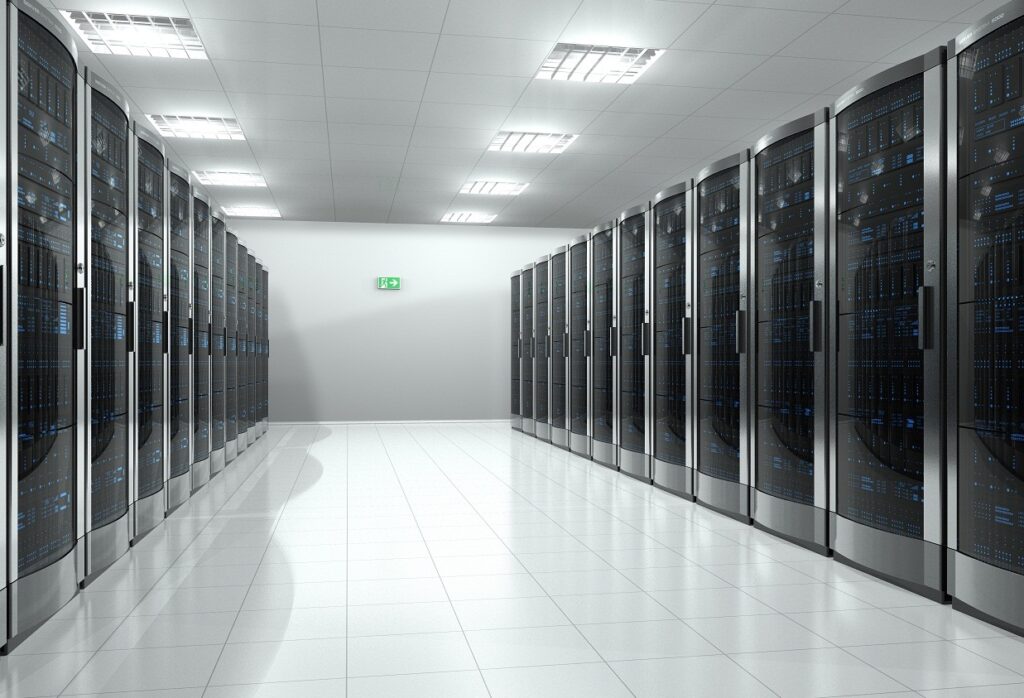
As we navigate the digital landscape, it’s easy to forget that the world we’re building online has a significant impact on our environment. The data centers that power our favorite websites and applications are often shrouded in mystery, but their effects on the planet are very real. In this article, we’ll delve into the hidden environmental costs of data centers and explore ways to make them more sustainable.
The Devastating Truth About Data Center Energy Consumption
A recent study published by James Glanz in The New York Times revealed that even the most tech-savvy companies are struggling to keep their data centers running without breaking a sweat. The researchers found that these massive energy consumers are causing widespread power outages, from email disruptions to complete system crashes.
To prevent these catastrophes, data center managers are forced to pump copious amounts of energy into their infrastructure 24/7, 365 days a year. This is a recipe for disaster, especially when you consider the devastating impact of fossil fuels on our environment.
The Dirty Truth About Gasoline Generators
One of the most significant environmental problems facing data centers today is the reliance on gasoline generators. These polluting machines spew toxic fumes and emissions into the air, contributing to climate change and putting countless lives at risk.
But there’s hope on the horizon. By switching to renewable energy sources or investing in energy-efficient solutions, companies can reduce their carbon footprint and create a more sustainable future.
The Carbon Footprint of Email
It may seem counterintuitive, but email is often touted as an eco-friendly alternative to traditional mail. However, this convenience comes at a steep environmental cost. Every time you click “reply” or send a message, you’re contributing to the destruction of millions of trees and countless gallons of energy.
The Rise of Sustainable Data Centers
As concerns about climate change grow, so too does the demand for sustainable data centers. Companies are waking up to the fact that their digital footprint has real-world consequences, and they’re taking steps to reduce their impact.
One pioneering example is Emerson Network Power, which launched its Energy Logic initiative in 2007. This program uses advanced energy management techniques to optimize energy efficiency by up to 74%. By leveraging virtualization and modular cooling systems, Emerson can significantly reduce energy consumption while minimizing e-waste.
The Future of Sustainable Data Centers
As we look to the future, it’s clear that sustainable data centers will play an increasingly important role in our digital landscape. By embracing renewable energy sources, reducing waste, and investing in energy-efficient solutions, companies can create a more environmentally friendly future for all.
So what does this mean for you? As a consumer, there are steps you can take to reduce your impact on the environment. Here are some simple tips:
- Choose sustainable hosting services that power their servers with renewable energy
- Use cloud-based applications instead of locally hosted ones
- Optimize your website’s performance using caching and content delivery networks
The Impact of Data Centers on Climate Change
Data centers have a significant impact on climate change, both directly and indirectly. The production of the devices themselves requires large amounts of energy and resources, while the data they store contributes to e-waste.
In addition, the power consumption of data centers is contributing to greenhouse gas emissions, which are driving climate change. According to a study by the Natural Resources Defense Council, the global data center market consumes over 300 TWh of electricity annually, which is equivalent to powering around 40 million homes.
The Role of Data Centers in Climate Change
Data centers play a critical role in the development and dissemination of climate-related information. However, their own environmental impact can actually hinder efforts to address climate change.
For example, data centers require large amounts of energy to operate, which is often generated by fossil fuels and contributes to greenhouse gas emissions. This creates a paradox where data centers, which are supposed to provide valuable climate information, are instead contributing to the very problem they’re trying to solve.
The Importance of Sustainable Data Centers
Sustainable data centers are crucial for reducing our environmental impact on the planet. By using renewable energy sources and minimizing e-waste, companies can create a more sustainable future for all.
In addition to reducing greenhouse gas emissions, sustainable data centers also help to preserve natural resources. The production of devices requires large amounts of raw materials, such as copper and silicon, which are often extracted from the earth.
The Benefits of Sustainable Data Centers
Sustainable data centers offer numerous benefits, both environmentally and economically. Here are just a few:
- Reduced greenhouse gas emissions: By using renewable energy sources and minimizing e-waste, sustainable data centers can significantly reduce their carbon footprint.
- Cost savings: Energy-efficient solutions can help reduce operating costs and extend the lifespan of devices.
- Increased efficiency: Advanced cooling systems and energy management techniques can optimize performance and reduce downtime.
The Future of Sustainable Data Centers
As concerns about climate change grow, so too does the demand for sustainable data centers. Companies are waking up to the fact that their digital footprint has real-world consequences, and they’re taking steps to reduce their impact.
In the future, we can expect to see:
- Increased adoption of renewable energy sources
- Reduced e-waste
- More efficient data center designs
Conclusion
As we continue to navigate the complexities of the digital world, it’s essential to remember that our actions have real-world consequences. By exploring sustainable data center solutions and reducing our own environmental impact, we can create a more eco-friendly future for all.
Frequently Asked Questions
- Q: What is the average energy consumption of a data center?
A: The average energy consumption of a data center varies widely depending on factors such as size, usage, and technology. However, according to a recent study, the global data center market consumes over 300 TWh of electricity annually. - Q: How can I reduce my carbon footprint when hosting a website?
A: There are several ways to reduce your carbon footprint when hosting a website, including choosing renewable energy sources, using energy-efficient servers, and optimizing website performance using caching and content delivery networks. - Q: What is the impact of data center energy consumption on climate change?
A: Data center energy consumption has a significant impact on climate change. The global data center market consumes over 300 TWh of electricity annually, which is equivalent to powering around 40 million homes. - Q: Can I still use traditional hosting services without harming the environment?
A: Yes, it’s possible to use traditional hosting services without harming the environment. Many companies are now offering sustainable hosting options that power their servers with renewable energy or offer carbon offsetting programs. - Q: How can I learn more about sustainable data center solutions?
A: There are several resources available for learning more about sustainable data center solutions, including industry reports, webinars, and conferences. You can also search online for companies that specialize in sustainable data centers and ask about their eco-friendly practices. - Q: What is the role of renewable energy in reducing data center energy consumption?
A: Renewable energy plays a crucial role in reducing data center energy consumption. By powering servers with clean energy, companies can significantly reduce their carbon footprint and create a more sustainable future for all. - Q: Can I use solar panels to power my website?
A: While it’s technically possible to use solar panels to power your website, it may not be the most practical solution. Solar panels require significant space and infrastructure, which can add costs and complexity to hosting a website. However, there are other sustainable solutions available, such as using energy-efficient servers or optimizing website performance using caching and content delivery networks. - Q: What is the future of sustainable data centers?
A: The future of sustainable data centers is bright. As concerns about climate change grow, companies will be forced to prioritize sustainability and reduce their environmental impact. We can expect to see increased adoption of renewable energy sources, reduced e-waste, and more efficient data center designs in the years to come.


