
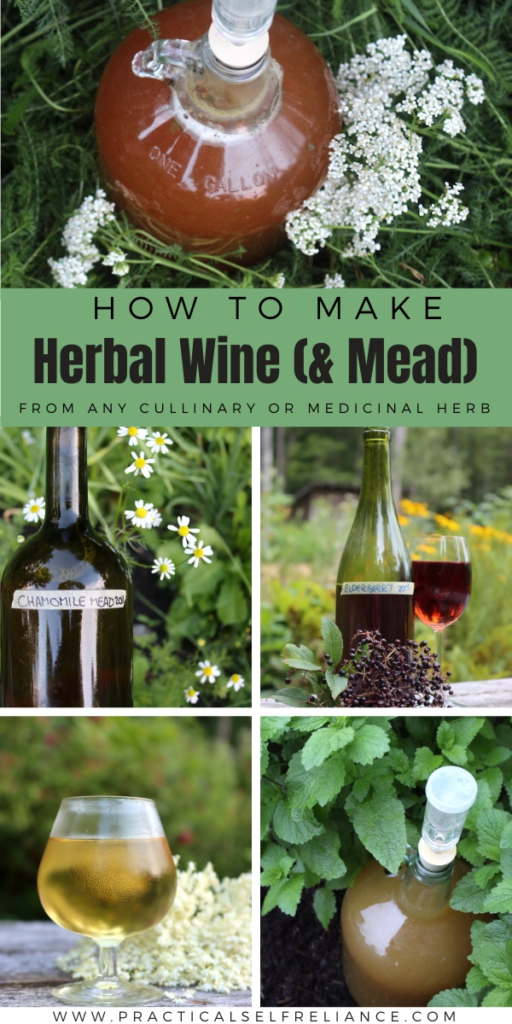
In the world of medicine, there have always been some unconventional remedies that have gained popularity over time. One such remedy is the medicinal wine, also known as enolite. This article will delve into the fascinating world of medicinal wines, exploring their history, benefits, and simple recipes to prepare them at home.
What are Medicinal Wines?
Medicinal wines are defined as a solution of hydroalcoholic extract obtained from active principles left to macerate in wine. The use of medicinal wines dates back to ancient times, when the only medicines available were herbs and plants. To extract their active ingredients, people would boil them in water or combine them with other substances like vinegar.
A Brief History of Medicinal Wines
In the past, when access to modern medicine was limited, people turned to these natural remedies to alleviate various health issues. The combination of herbs and wine had a double advantage: it allowed for the extraction of active principles from plants while also making the final product more durable and easier to store.
The synergy between plant extracts and wine is still an area of research today, with many studies exploring its potential benefits. As we’ll see later, medicinal wines are not only a fascinating topic but also offer some surprising advantages.
The Science Behind Medicinal Wines
Medicinal wines work by combining the active principles of plants with the antiseptic and antioxidant properties of wine. The hydroalcoholic extract is obtained through maceration, which involves allowing the plant material to steep in wine for an extended period. This process allows the active compounds to dissolve into the liquid, creating a powerful remedy.
One of the key benefits of medicinal wines is their ability to enhance the bioavailability of plant extracts. By combining the water-soluble and fat-soluble components of plants, medicinal wines can make it easier for our bodies to absorb these essential nutrients.
Three Easy Recipes for Medicinal Wines
Now that we’ve covered the basics, let’s move on to the fun part – preparing these magical elixirs! Here are three easy recipes to get you started:
Recipe 1: Rabarbaro Wine
This medicinal wine is designed to aid digestion. To prepare it, mix together the following ingredients:
- 200 grams of powdered root of rhubarb
- 40 grams of sweet orange peel
- 10 grams of cardamom seeds
- 1800 grams of red wine at 15°
Combine all the ingredients and let them macerate for 6 days in a dark place. Strain the mixture well, then add 200 grams of honey.
Recipe 2: Melissa Wine
This medicinal wine is known for its sedative and restorative properties. To prepare it, combine:
- Flowers of chamomile
- Flowers of lemon balm
- Leaves of Melissa
- Orange peel
- Lemon juice
- Red wine at 15°
Allow the mixture to macerate for 33 days in a dark place. Strain the liquid thoroughly and add 200 grams of natural honey from tiglio flowers. Consume two spoonfuls before main meals.
Recipe 3: China Wine
This medicinal wine is said to possess the property of ‘restorative’ (a term that may be unfamiliar to modern medicine), possibly because it stimulates appetite. To prepare it, combine:
- Powdered root of Chinese rhubarb
- Red wine at 15°
Let the mixture macerate for a week in a dark place, then strain the powder and add 50 grams of honey or natural miele.
Benefits of Medicinal Wines
Medicinal wines offer a range of benefits, from aiding digestion to providing restorative effects. Some of the key advantages of these remedies include:
- Enhanced bioavailability: The combination of plant extracts with wine makes it easier for our bodies to absorb essential nutrients.
- Antiseptic and antioxidant properties: Wine has natural antiseptic and antioxidant properties that can help protect against infections and oxidative stress.
- Stimulates appetite: Medicinal wines like China Wine may stimulate appetite, making them a useful remedy for those who struggle with hunger.
Conclusion
Medicinal wines are more than just an interesting footnote in history – they offer a unique way to harness the power of plants and combine it with wine. From digestion aids to sedatives and restorers, these simple recipes can be your gateway to exploring the world of herbalism and traditional medicine. Remember to approach any new remedy with caution and consult with medical professionals before using them.
Frequently Asked Questions
- What are the benefits of medicinal wines?
- Medicinal wines offer a unique way to harness the power of plants, combining their active principles with wine for a more durable final product.
-
They have been used historically as remedies for various health issues and continue to be researched today.
-
How do I prepare medicinal wines at home?
-
Choose your desired recipe from our three examples above.
- Combine the ingredients according to the instructions provided in each recipe.
-
Allow the mixture to macerate for the specified time, then strain and filter it before consumption.
-
What are some common health benefits of medicinal wines?
-
Digestive issues: Rabarbaro wine can aid digestion, while Melissa wine is known for its sedative properties.
-
Restorative effects: China wine may stimulate appetite and enhance the body’s natural healing processes.
-
Can I use medicinal wines as a substitute for conventional medicine?
-
No, it is always recommended to consult medical professionals before using any new remedy, especially if you are taking medication or have pre-existing health conditions.
-
Where can I find more information about medicinal wines and herbalism?
-
Check out our book “Vini Medicinali” available on Amazon for a comprehensive guide.
- Explore historical texts and scientific studies on the subject to deepen your understanding of these ancient remedies.
Tips for Preparing Medicinal Wines at Home
Before we dive into more advanced recipes, here are some tips to keep in mind when preparing medicinal wines at home:
- Choose high-quality ingredients: The quality of the plant material can greatly impact the effectiveness of the final remedy.
- Use a dark glass bottle: Light can cause the active principles to degrade, so use a dark glass bottle to store your medicinal wine.
- Monitor the temperature: Keep the mixture at room temperature (around 20-25°C) during the maceration process.
- Be patient: Medicinal wines require time to mature and develop their full potential.
The Future of Medicinal Wines
As our understanding of herbalism and traditional medicine continues to evolve, it’s clear that medicinal wines will remain an important part of this field. Researchers are currently exploring the potential benefits of medicinal wines in areas such as:
- Antimicrobial properties: Studies have shown that some medicinal wines exhibit strong antimicrobial activity, making them a promising tool in the fight against infections.
- Cancer treatment: Some researchers believe that medicinal wines may hold the key to developing new cancer treatments, by targeting specific molecular pathways involved in tumor growth.
Conclusion
Medicinal wines are more than just an interesting footnote in history – they offer a unique way to harness the power of plants and combine it with wine. With their ability to enhance bioavailability, stimulate appetite, and provide restorative effects, these simple recipes can be your gateway to exploring the world of herbalism and traditional medicine.
As we continue to explore the potential benefits of medicinal wines, one thing is clear: these ancient remedies hold a wealth of knowledge and secrets waiting to be unlocked. Whether you’re a seasoned herbalist or just starting to explore the world of natural remedies, medicinal wines are sure to fascinate and inspire.


