
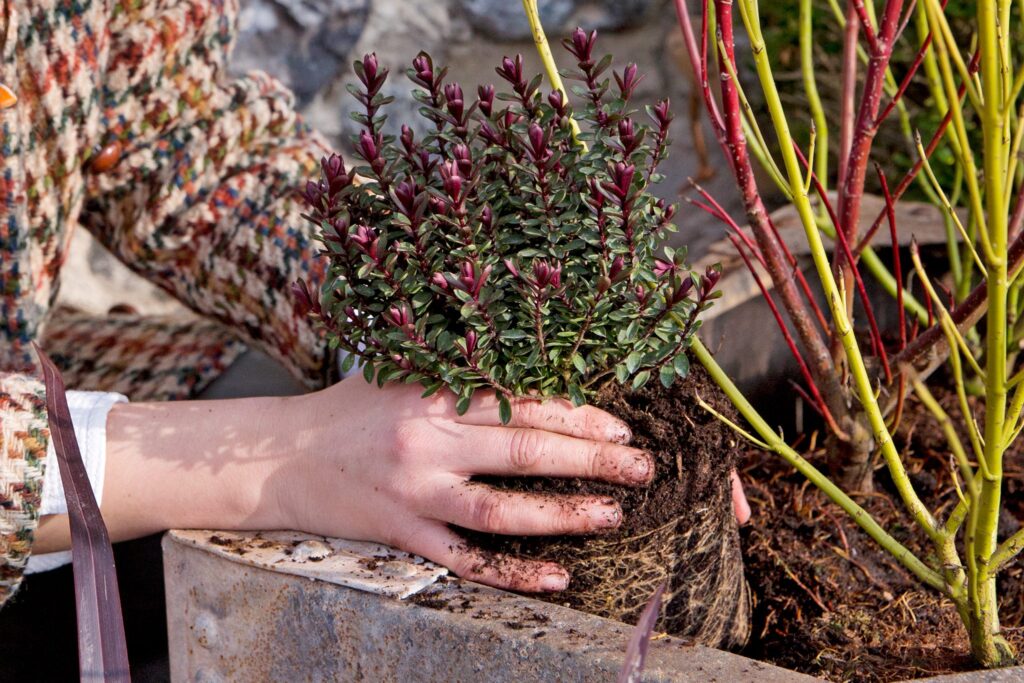
As we delve into the world of gardening, it’s not uncommon to come across plants that are often confused with one another due to their similarities in appearance. One such plant is the Hebe, a beautiful ornamental shrub that can be easily grown in various conditions. In this article, we’ll explore the characteristics, care, and maintenance of Hebe, as well as provide tips on how to propagate and troubleshoot common issues.
Characteristics of Hebe
Hebe is often mistaken for Veronica, another green-leaved shrub from the same family (Scrophulariaceae). However, there are distinct differences between the two plants. Hebe boasts slender stems with a reddish hue that’s difficult to perceive beneath its lush foliage. The leaves are lance-shaped or oval in shape, with smooth edges and a waxy texture. They’re typically green but can exhibit white or yellow striations.
In contrast, Hebe produces large inflorescences with pannicles resembling those of Veronica. These flowers come in shades of pink, purple, and white, adding to the plant’s visual appeal. The blooming period varies depending on the variety, but most Hebes produce flowers during the summer months or autumn.
Growing Conditions for Hebe
Hebe is an adaptable plant that can thrive in various conditions. When selecting a location for your Hebe, ensure it receives plenty of sunlight, as this plant prefers warmth over cold temperatures. A well-draining soil with a pH between 6 and 7 is ideal for growth. Avoid planting Hebe in low-lying areas where water may collect, as this can lead to root rot.
Hebe Varieties
There are numerous varieties of Hebe available, each offering unique characteristics and growth habits. Some popular options include:
- Hebe x Andersonii: A compact, shrub-like variety with dark green leaves featuring white or grayish striations.
- Hebe addenda: A slow-growing variety ideal for borders and hedges.
- Hebe speciosa: Features large, showy flowers in shades of purple and white.
- Hebe albicans: Displays yellow or white variegation on its leaves.
When and How to Fertilize Hebe
Fertilizing your Hebe regularly is essential for promoting healthy growth and blooming. Feed your plant with a balanced fertilizer during the growing season (spring-fall), and follow up with a diluted fertilizer in autumn. For optimal results, apply fertilizers once a month during spring and summer.
Pruning Hebe: Tips and Tricks
To encourage new shoots and promote flowering, prune your Hebe immediately after blooming. Remove the apical portion of the stems using clean pruning tools or shears. This will help control the plant’s size and maintain its shape.
Pruning also allows you to inspect the internal structure of the plant, ensuring that there are no signs of disease or pests.
Propagation Methods for Hebe
Hebe can be propagated through seeds or stem cuttings (called “stem cutting” or “basal cutting”). Seed propagation involves sowing seeds in a mix of peat moss and perlite, while stem cuttings require the planting of fresh tissue on top of moistened soil. Both methods have their advantages and disadvantages.
When to Transplant Hebe
Transplanting your Hebe is best done after new growth has emerged. This ensures that the roots are well-established before being transferred into a larger pot or directly into the ground. For container-grown plants, transplant every 2 years or sooner if roots become too extensive for the pot.
Common Issues with Hebe
While Hebe is generally a low-maintenance plant, it can be susceptible to certain issues:
- Root rot: Caused by overwatering, this condition can lead to root decay and death.
- Leaf spot diseases: These fungal infections typically occur on young plants or when they’re exposed to excessive moisture.
- Cold damage: Protect your Hebe from extreme cold snaps by covering it with a layer of straw or mulch.
By understanding the characteristics, care requirements, and common issues associated with Hebe, you’ll be well-equipped to grow this stunning ornamental shrub in your own garden. Whether you’re an experienced gardener or just starting out, Hebe is sure to captivate you with its beauty and versatility.
Frequently Asked Questions (FAQs)
- What is the ideal temperature range for growing Hebe?
- Hebe prefers temperatures between 15°C and 25°C (59°F-77°F).
- How often should I water my Hebe plant?
- Water your Hebe regularly, making sure not to overwater or underwater.
- What is the best way to propagate Hebe using stem cuttings?
- Cut a fresh section from the parent plant and place it on top of moistened soil, ensuring good contact between the cutting and the substrate.
- Can I grow Hebe in shady conditions?
- While Hebe prefers bright sunlight, it can tolerate partial shade; however, its growth and flowering may be affected.
- How do I protect my Hebe from frost damage?
- Cover your Hebe with a layer of straw or mulch to protect the leaves and stems from cold temperatures.
- Can I grow Hebe in containers?
- Yes, Hebe can thrive in pots if provided with sufficient light, water, and nutrients.
By following these tips and guidelines, you’ll be well on your way to growing a healthy and thriving Hebe plant that will bring beauty and joy to your outdoor space.


