
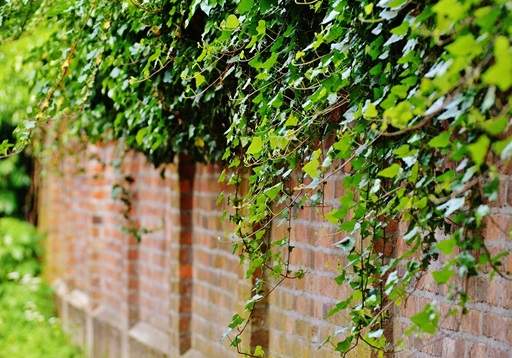
Climbing plants have been a staple in gardens and landscapes for centuries. They not only add beauty to our surroundings but also provide numerous benefits, such as thermal insulation, acoustic isolation, and even improved air quality. In this article, we’ll delve into the world of climbing plants, exploring their advantages, choosing the right species, preparing the soil, providing supports, and more.
Why Climbing Plants Matter
Climbing plants have been a part of human history for thousands of years, with evidence of their use in ancient civilizations such as Greece and Rome. They not only added beauty to gardens but also provided shade, insulation, and even food. Today, climbing plants are still an essential element in any garden or landscape, offering numerous benefits that make them a must-have for any outdoor space.
Climbing Plants: The Ultimate Decorative Element
Beyond their aesthetic appeal, climbing plants have a multitude of uses that make them an essential element in any garden or landscape. From beautifying walls and fences to providing shade and insulation, these versatile plants are a must-have for any outdoor space. With over 60% of flowering plants being climbers, it’s no wonder why they’re so popular.
Climbing Plants: Advantages
But what makes climbing plants so special? Let’s explore some of the key advantages they offer:
- Thermal Insulation: Climbing plants can help insulate surfaces, keeping them cooler in the summer and warmer in the winter. This is especially beneficial for homes with south-facing walls or windows.
- Acoustic Isolation: The dense foliage of climbing plants can also act as a natural sound barrier, reducing noise pollution. This is particularly useful for homes located near busy roads or airports.
- Air Purification: Many climbing plants are natural air purifiers, removing pollutants and toxins from the air. This makes them an excellent choice for indoor spaces, such as offices and hospitals.
Preparing the Soil for Climbing Plants
Before planting your chosen species, it’s essential to prepare the soil. This involves eliminating weeds, digging deep into the soil, and adding organic fertilizers. A well-prepared soil will provide a solid foundation for your climbing plant to thrive.
- Soil pH: Most climbing plants prefer a slightly acidic to neutral soil pH, between 6.0 and 7.0.
- Soil Texture: Climbing plants prefer well-draining soil with a mix of sand, silt, and clay.
- Organic Matter: Add compost or manure to the soil to provide essential nutrients for your climbing plant.
Planting Your Climbing Plant
Once the soil is prepared, it’s time to plant your chosen species. Make sure to dig a hole that’s the same depth as the pot, gently water the plant, and pack the soil around the roots. Leave at least 30 centimeters of distance from walls or tree trunks to avoid drying out the soil.
- Planting Depth: Plant your climbing plant at the same depth it was in the pot, making sure the roots are spread evenly.
- Watering: Water your climbing plant thoroughly after planting and keep the soil consistently moist during its first year of growth.
Supports for Growth
As your climbing plant grows, it will need support to spread its shoots and attach itself to a structure. Some species have aerial roots that allow them to climb vertically, while others require a dedicated support. When choosing a support, consider the thickness of the plant and choose a model proportional to its size.
- Clematis: These flowering vines are perfect for those who love colorful blooms. With over 300 varieties, there’s something for everyone.
- Wisteria: For a more dramatic effect, consider wisteria, which produces fragrant flowers and berries.
- Lupine: If you prefer berries, lupine is an excellent choice, with its vibrant colors and sweet blooms.
Choosing the Right Climbing Plant
With so many species to choose from, selecting the right climbing plant can be overwhelming. Consider factors like growth rate, support requirements, and flowering habits when making your decision.
- Fast-Growing Plants: If you have limited space or want a quick turnaround, consider fast-growing plants like clematis or honeysuckle.
- Slow-Growing Plants: For a more relaxed approach, choose slow-growing plants like wisteria or grapevine.
- Flowering Plants: If you want to add color to your garden or landscape, choose flowering plants like clematis or lupine.
Conclusion
Climbing plants offer a wide range of benefits, from thermal insulation to air purification. With the right preparation, planting, and support, they can thrive in any environment. By considering factors like growth rate and support requirements, you can choose the perfect climbing plant for your needs. Whether you’re looking for beauty, functionality, or both, there’s a climbing plant out there waiting for you.
Frequently Asked Questions
- Q: How often should I water my climbing plant?
A: Water your climbing plant when the soil feels dry to the touch, but avoid overwatering. - Q: Can I use any type of support for my climbing plant?
A: Choose a support proportional to the thickness of the plant and consider factors like growth rate and support requirements. - Q: How often should I prune my climbing plant?
A: Prune your climbing plant regularly to maintain its shape, promote healthy growth, and encourage flowering. - Q: Can I grow climbing plants indoors?
A: Yes, many species can thrive indoors with proper care and lighting.
Additional Tips
- Mulching: Mulch around the base of your climbing plant to retain moisture and suppress weeds.
- Pest Control: Regularly inspect your climbing plant for pests like aphids or spider mites, and take action promptly if necessary.
- Winter Protection: Protect your climbing plant from extreme weather conditions by covering it with a breathable cloth or sheet during winter months.
By following these tips and choosing the right climbing plant for your needs, you can create a beautiful and functional outdoor space that benefits both you and the environment.


