
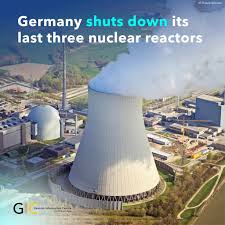
As the UK government plans to launch a new generation of nuclear power plants, it raises questions about the future of this energy source. With renewable energy costs plummeting and nuclear costs rising, the government is reevaluating its approach.
At the heart of this debate is the issue of nuclear waste management. Regardless of whether it’s old or new generation nuclear power, this question remains a pressing concern.
Why are investments in nuclear power dwindling?
This issue isn’t just limited to the UK; it affects global energy investments as well. The costs associated with building new nuclear power plants are increasing; France’s nuclear industry, one of the strongest globally, has faced numerous delays in developing its new nuclear facilities due to rising costs.
The current nuclear power plants under construction were conceived several years ago, and they’re often seen as relics of a bygone era. Take Centrica, for instance. Sam Laidlaw, CEO of Centrica, has stated that building the project today would require significantly higher costs than four years ago.
Increased operational costs: A significant factor
The cost of nuclear power is not just limited to the initial construction phase; it also includes ongoing expenses such as maintenance and security. With renewable energy becoming increasingly competitive in terms of cost and deployment speed, the benefits of investing in nuclear power are becoming less clear-cut.
In fact, a study by the National Renewable Energy Laboratory (NREL) found that for every additional gigawatt of electricity generated from fossil fuels, there is a significant increase in costs due to air pollution, climate change, and water usage. In contrast, the cost of wind energy has decreased by over 70% since 2010.
Centrica’s U-Turn: A sign of changing times?
Centrica, a UK-based energy company, has chosen to withdraw 20% of its investment from its nuclear program (worth £200 million) to focus on renewable energy. This decision highlights the challenges faced by the nuclear industry and its inability to compete with the rapidly declining costs of renewable energy sources.
The company’s CEO, Sam Laidlaw, stated that Centrica is shifting its priorities towards “more cost-effective, cleaner, and more sustainable options.” This move reflects a broader trend in the industry, as companies are reassessing their investments and prioritizing projects that offer better returns on investment.
The Rise of Renewable Energy
As the demand for electricity continues to grow, renewable energy sources are becoming an increasingly attractive option. They’re not only more cost-effective but also offer a cleaner alternative to fossil fuels and nuclear power.
In the UK, wind and solar energy are already surpassing nuclear power in terms of production capacity. According to projections, by 2018, renewable energy will produce more electricity than nuclear power is currently capable of producing.
A New Era for Energy: The Pros and Cons
As we move forward into an uncertain future, it’s essential to weigh the benefits and drawbacks of each energy source. Nuclear power offers reliability and scalability but comes with significant environmental and health concerns. Renewable energy, on the other hand, is becoming increasingly competitive in terms of cost and deployment speed.
Some of the pros of nuclear power include:
- High capacity factor: Nuclear power plants can operate at a high capacity factor, meaning they can generate electricity consistently over long periods.
- Scalability: Nuclear power plants can be built to meet varying energy demands, making them a viable option for countries with large populations.
- Low greenhouse gas emissions: Nuclear power is a zero-carbon source of energy, producing no greenhouse gases during operation.
However, there are also significant cons to nuclear power:
- High upfront costs: Building a new nuclear power plant can cost billions of dollars, making it a capital-intensive project.
- Radioactive waste: Nuclear power plants produce radioactive waste, which poses significant environmental and health risks if not disposed of properly.
- Safety concerns: Nuclear power plants are complex systems that require extensive safety protocols to prevent accidents.
Some of the pros of renewable energy include:
- Low costs: The cost of wind and solar energy has decreased significantly in recent years, making them more competitive with fossil fuels.
- Abundant resources: Renewable energy sources like sunlight and wind are abundant and available everywhere, reducing reliance on finite resources.
- Zero emissions: Renewable energy is a zero-carbon source of energy, producing no greenhouse gases during operation.
However, there are also some cons to renewable energy:
- Intermittency: Renewable energy sources like solar and wind are intermittent, meaning they’re not always available when they’re needed most.
- Energy storage challenges: Renewable energy requires significant investment in energy storage solutions to address the intermittency challenge.
- Land use requirements: Large-scale renewable energy projects require significant land areas, potentially competing with other uses like agriculture or conservation.
Conclusion: The End of an Era?
The UK government’s decision to invest in new nuclear power plants raises questions about the future of this energy source. With renewable energy costs plummeting and nuclear costs rising, it seems that the era of nuclear power may be coming to an end.
However, the development of sustainable nuclear power is still in its infancy, and there are significant opportunities for innovation and improvement. As the world continues to transition towards a low-carbon future, nuclear power will likely play a role, albeit a smaller one than previously thought.
Frequently Asked Questions
-
Will nuclear power still play a role in the UK’s energy mix?
While the current trend suggests a decline in nuclear power, its reliability and scalability will continue to make it an attractive option for electricity generation in the long term. -
What are the main advantages of renewable energy?
Renewable energy sources like solar and wind offer clean alternatives to fossil fuels and nuclear power. They’re becoming increasingly cost-effective, with deployment speeds that can match or even surpass those of traditional energy sources. -
Will the UK government invest in new nuclear power plants?
The decision remains uncertain as the government evaluates its approach based on current market conditions and environmental concerns. -
What are some potential risks associated with renewable energy?
While renewable energy is becoming increasingly cost-effective, there are still several challenges to overcome. These include integration into existing grids, energy storage solutions, and the impact of intermittent power sources on electricity demand. -
Will nuclear waste management continue to be a concern for nuclear power?
The issue of nuclear waste remains a significant challenge for the nuclear industry. Effective solutions need to be developed to mitigate this environmental hazard. -
Can renewable energy meet all of our energy needs?
While renewable energy sources offer several advantages, they still have limitations when it comes to meeting global energy demands. A combination of different energy sources will likely remain necessary in the future. -
How does nuclear power compare to other forms of energy?
Nuclear power offers reliability and scalability but is limited by its environmental and health concerns. Renewable energy sources are becoming increasingly competitive in terms of cost and deployment speed, offering a cleaner alternative. -
What role will energy storage play in the future of renewable energy?
Energy storage solutions are crucial for addressing the intermittency challenge faced by renewable energy sources. As the demand for electricity continues to grow, energy storage technologies will become increasingly essential for ensuring a stable and reliable energy supply.
-
Can nuclear power be developed sustainably?
The development of sustainable nuclear power is still in its infancy but holds great potential for meeting global energy demands while minimizing environmental impact. -
Will the UK government provide incentives for renewable energy investment?
The government has already introduced various incentives and policies to encourage the growth of renewable energy in the UK. Further measures may be implemented to support this sector as it continues to evolve.


