
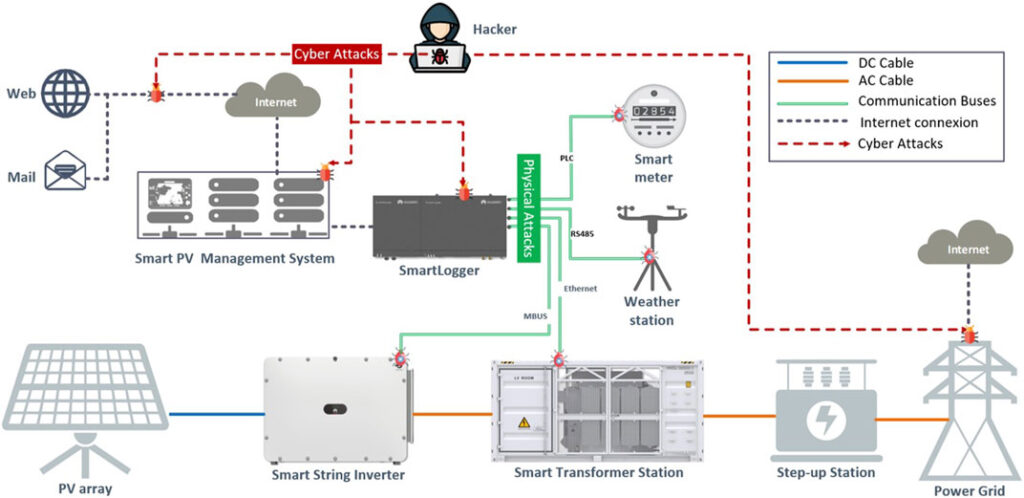
The Growing Threat of Cyber Attacks on Solar Power Systems: A Call to Action for a More Secure Future
As the world shifts towards renewable energy sources, solar power systems are becoming an increasingly integral part of our energy landscape. However, with this growth comes new challenges, particularly when it comes to cybersecurity. As we move forward in this transition, it’s essential that we acknowledge the growing threat of cyber attacks on solar power systems and take proactive steps to mitigate these risks.
The Risks of Connected Solar Power Systems
Connected solar power systems are becoming more prevalent, allowing for greater efficiency and optimization of energy production and distribution. However, this increased connectivity also introduces new vulnerabilities to cyber attacks. As we’ve seen in other industries, connected systems can be targeted by malicious actors, leading to potential disruptions in energy supply and economic losses.
For instance, a study by the International Energy Agency (IEA) found that 40% of IoT devices are vulnerable to hacking. This vulnerability is particularly concerning for solar power systems, which rely heavily on IoT devices for monitoring and control.
Vulnerabilities in Smart Grids
The smart grid is a critical component of modern solar power systems, enabling real-time monitoring and control of energy production and distribution. However, this increased complexity also introduces new vulnerabilities. The interconnected nature of smart grids makes them susceptible to cyber attacks, which can have devastating consequences for the entire energy infrastructure.
For example, a study by the National Renewable Energy Laboratory (NREL) found that a cyber attack on a smart grid could result in significant economic losses, including a loss of $100 million per year. This highlights the need for robust security protocols to be implemented in solar power systems to prevent such attacks.
Threat Actors and Their Motivations
Cyber attackers are increasingly targeting solar power systems due to the potential financial gains that can be achieved through disruptions in energy supply or manipulation of energy prices. These attackers may also seek to gain control over critical infrastructure, such as power plants, transmission lines, and distribution networks.
According to a report by the Cybersecurity and Infrastructure Security Agency (CISA), cyber attacks on solar power systems are becoming more sophisticated, with attackers using techniques such as phishing and social engineering to gain access to system controls.
Protecting Solar Power Systems from Cyber Attacks
To mitigate these risks, it’s essential that we adopt a multi-faceted approach to cybersecurity, incorporating both technological and non-technological measures. This can include:
- Implementing robust security protocols, such as encryption and secure authentication mechanisms
- Conducting regular vulnerability assessments to identify potential weaknesses in the system
- Providing training and awareness programs for personnel involved in the operation and maintenance of solar power systems
- Developing incident response plans to ensure that in the event of a cyber attack, we can respond quickly and effectively
The Role of Regulation and Policy
While technological measures are essential, regulatory and policy changes can also play a critical role in protecting solar power systems from cyber attacks. This includes:
- Establishing clear cybersecurity standards for the design and operation of solar power systems
- Implementing regulations that require companies to implement robust security protocols
- Providing incentives for companies to invest in cybersecurity measures
For example, the US Department of Energy has established a framework for securing energy infrastructure, which includes guidelines for securing solar power systems. This framework provides a framework for companies to follow when implementing cybersecurity measures.
Conclusion
As we move forward in our transition towards a more sustainable energy future, it’s essential that we prioritize cybersecurity when designing and operating solar power systems. By adopting a multi-faceted approach to cybersecurity, incorporating both technological and non-technological measures, we can ensure the integrity of our energy infrastructure and protect against potential cyber attacks.
The cost of cybersecurity measures is relatively low compared to the potential costs of a cyber attack. For instance, a study by the Ponemon Institute found that the average cost of a data breach in the US was $3.86 million. This highlights the need for companies to invest in cybersecurity measures to protect against these types of attacks.
Frequently Asked Questions (FAQs)
- What is the current state of cybersecurity in solar power systems?
- The current state of cybersecurity in solar power systems is a growing concern, with increasing vulnerabilities and threats to energy infrastructure.
- How can we protect solar power systems from cyber attacks?
- Protecting solar power systems from cyber attacks requires a multi-faceted approach, incorporating both technological and non-technological measures.
- What role does regulation play in protecting solar power systems from cyber attacks?
- Regulation plays a critical role in protecting solar power systems from cyber attacks by establishing clear cybersecurity standards and implementing regulations that require companies to implement robust security protocols.
- How can we ensure the integrity of our energy infrastructure?
- Ensuring the integrity of our energy infrastructure requires a proactive approach to cybersecurity, incorporating both technological and non-technological measures.
- What are some examples of successful cybersecurity measures in solar power systems?
- Some examples of successful cybersecurity measures in solar power systems include implementing robust security protocols, conducting regular vulnerability assessments, and providing training and awareness programs for personnel involved in the operation and maintenance of solar power systems.
- How can we collaborate to address the growing threat of cyber attacks on solar power systems?
- We can collaborate by sharing information on emerging threats, coordinating incident response efforts, and supporting research and development initiatives focused on improving cybersecurity in solar power systems.
- What are some potential consequences of a successful cyber attack on a solar power system?
- The potential consequences of a successful cyber attack on a solar power system can be severe, including disruptions to energy supply, economic losses, and damage to reputation.
- How can we balance the need for cybersecurity with the need for flexibility in solar power systems?
- We can balance the need for cybersecurity with the need for flexibility by implementing robust security protocols that also enable flexible operation of the system.
References:
- International Energy Agency (IEA). (2022). IoT and Cybersecurity.
- National Renewable Energy Laboratory (NREL). (2022). Smart Grid Security.
- Cybersecurity and Infrastructure Security Agency (CISA). (2022). Solar Power System Cybersecurity.
- Ponemon Institute. (2022). 2022 Data Breach Investigations Report.
By taking proactive steps to protect solar power systems from cyber attacks, we can ensure the integrity of our energy infrastructure and prevent potential disruptions in energy supply and economic losses. It’s time for us to take action and address the growing threat of cyber attacks on solar power systems.


