
Introduction
In the quest for a more sustainable lifestyle, many of us are turning towards natural and biodegradable products. One such product that has gained significant attention in recent years is the natural detergent, also known as eco-friendly or green detergent. In this article, we will delve into the world of natural detergents, exploring their properties, benefits, and how they can replace conventional cleansers.
What are Natural Detergents?
Natural detergents are made from a mixture of natural substances, such as oils, fats, and plant extracts, that work together to clean and emulsify dirt and grime. Unlike traditional detergents, which contain synthetic chemicals, natural detergents are free from harsh toxins and artificial fragrances.
How Do Natural Detergents Work?
Natural detergents use natural tensioactive agents, such as saponins, to create a cleaning solution that is effective against grease and dirt. These agents work by breaking down oils and fats into smaller molecules, allowing for easy rinsing away. This process is achieved through the use of enzymes, which break down proteins and carbohydrates.
Benefits of Natural Detergents
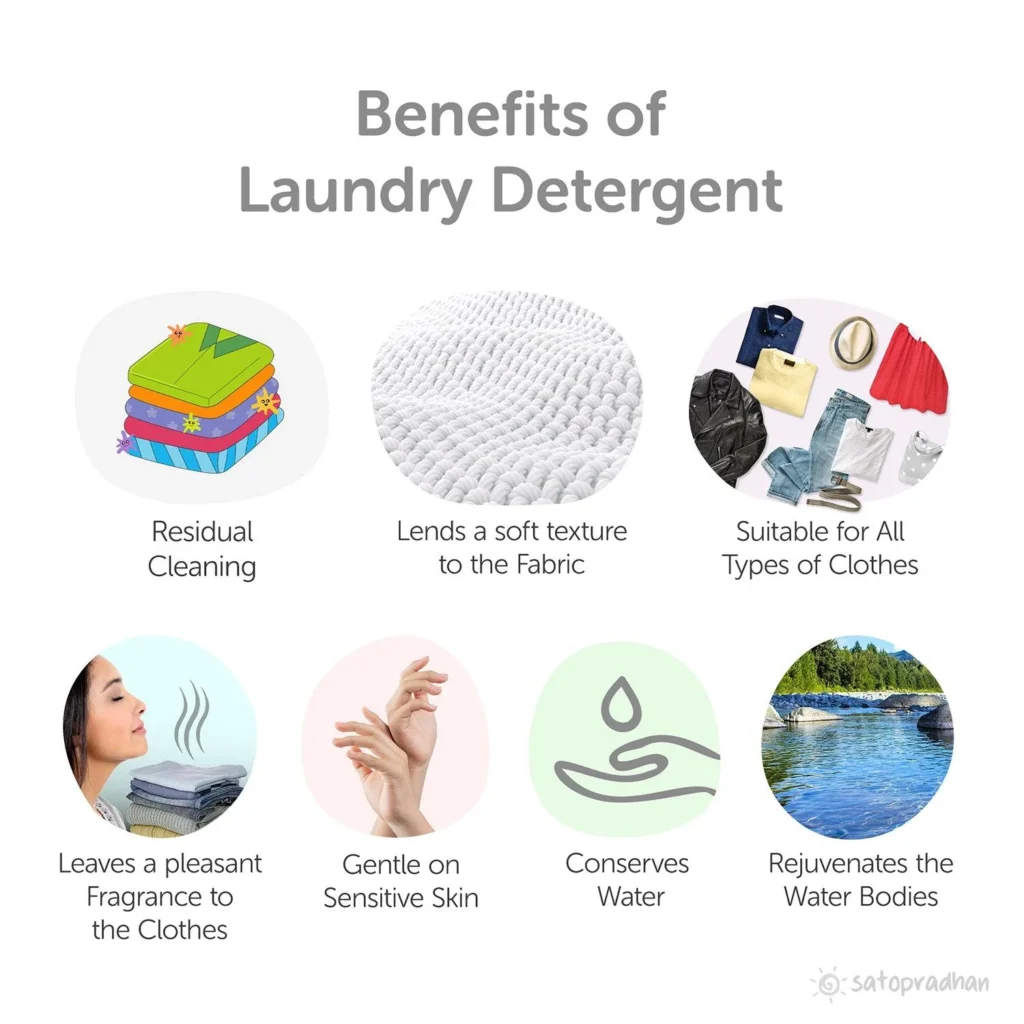
There are numerous benefits associated with using natural detergents. Some of these include:
• Environmental Benefits: Natural detergents biodegrade easily and pose no threat to water sources or wildlife.
• Skin-Friendly: Natural detergents are gentle on skin and do not contain harsh chemicals that can cause irritation.
• Cost-Effective: Although natural detergents may be more expensive than conventional cleansers, they are often more concentrated, requiring less product for the same cleaning task.
Types of Natural Detergents
Natural detergents come in various forms, including:
• Liquid Detergents: Suitable for washing dishes, floors, and surfaces.
• Powdered Detergents: Ideal for washing clothes and textiles.
• Solid Detergents: Often used for cleaning grease and grime.
DIY Natural Detergents
One of the most cost-effective ways to switch to natural detergents is by making your own. By using household items, such as vegetable oils, soap scraps, and baking soda, you can create effective cleaning solutions at home. Some popular DIY recipes include:
• Castile Soap Liquid Detergent: A mixture of castile soap, water, and glycerin.
• Washing Soda Powdered Detergent: A combination of washing soda, borax, and essential oils.
The Rise of Natural Detergents in the Market
In recent years, there has been a significant rise in demand for natural detergents on the market. Many brands now offer eco-friendly options that cater to environmentally conscious consumers. Some notable examples include Almacabio Bio 2 and Detersivo Bio per superfici dure.
Label Claims and Certifications
When shopping for natural detergents, look for label claims such as:
• Biodegradable: Indicates that the product breaks down easily in water.
• Non-toxic: Suggests that the product is free from harsh chemicals.
• ** cruelty-free**: Assures that no animal testing was involved in the production process.
Certifications like the Leaping Bunny logo and EcoLogo can also provide assurance about a product’s environmental safety and sustainability.
Comparing Natural Detergents to Conventional Cleansers
When comparing natural detergents to conventional cleansers, consider factors such as:
• Effectiveness: How well does the product clean and remove dirt?
• Concentration: How much product is required for the same cleaning task?
• Environmental Impact: What are the environmental consequences of using the product?
Conclusion
Natural detergents are not only good for the environment, but also provide numerous benefits for our skin and overall well-being. By understanding how these products work and exploring their various forms, we can make an informed decision when it comes to choosing a cleaning solution that aligns with our values and lifestyle.
Frequently Asked Questions
- What makes natural detergents biodegradable?
Natural detergents are biodegradable because they contain natural tensioactive agents that break down easily in water, allowing for environmental safety. - Are natural detergents more expensive than conventional cleansers?
Yes, natural detergents can be more expensive upfront due to their high concentration and quality ingredients; however, they often require less product for the same cleaning task. - Can I make my own natural detergent at home?
Yes, making your own natural detergent using household items is a cost-effective way to switch to eco-friendly cleaning solutions. - What types of surfaces can natural detergents be used on?
Natural detergents are suitable for washing dishes, floors, textiles, and other surfaces that require gentle yet effective cleaning. - How do I choose the right natural detergent for my needs?
When selecting a natural detergent, consider factors such as concentration, surface type, and environmental concerns to find the best product for your specific needs. - Can I use natural detergents in industrial settings?
Yes, many natural detergents are suitable for industrial applications due to their high strength and biodegradable properties. - Are natural detergents regulated by governments?
While there is no universal regulation on natural detergents, many countries have implemented guidelines and certifications to ensure environmental safety and effectiveness. - What is the future of natural detergents in the market?
As consumer awareness and environmental concerns continue to grow, the demand for eco-friendly products will drive innovation and growth in the natural detergent market.
The Impact of Natural Detergents on the Environment
Natural detergents have a significant impact on the environment due to their biodegradable properties. Some of the benefits include:
• Reduced Water Pollution: Biodegradable detergents break down easily in water, reducing the risk of water pollution.
• Less Waste: Natural detergents often require less packaging and generate less waste compared to conventional cleansers.
• Conservation of Resources: The use of natural ingredients in detergents can help conserve resources such as water and energy.
The Economic Benefits of Natural Detergents
Natural detergents also offer economic benefits, including:
• Reduced Healthcare Costs: Gentle on skin, natural detergents can reduce the risk of skin irritation and other health problems.
• Increased Productivity: Cleanliness is essential for productivity; using natural detergents can help improve focus and efficiency.
• Job Creation: The growing demand for eco-friendly products has created new job opportunities in industries related to sustainability.
Conclusion
Natural detergents are a viable alternative to conventional cleansers, offering numerous benefits for our environment, skin, and overall well-being. By understanding the properties, benefits, and types of natural detergents, we can make informed decisions when it comes to choosing eco-friendly cleaning solutions.


