
As we go about our daily lives, breathing is an automatic process that happens without us even realizing it. However, have you ever stopped to think about the type of breath you’re taking? Are you aware of how your body responds to stress, and can you control your breathing to achieve a better state of well-being?
In this article, we’ll explore the concept of diaphragmatic breathing, also known as belly breathing. We’ll delve into its benefits, how it differs from other types of breathing, and provide practical exercises to help you get started.
Understanding Your Breath
Breathing is an essential function that connects your mind and body. It’s a vital link between your nervous system and your physical body. When we breathe, our diaphragm contracts and relaxes, allowing air to enter and leave our lungs. This process can be voluntary or involuntary, depending on the situation.
There are two main types of breathing: thoracic breathing and diaphragmatic breathing. Thoracic breathing is characterized by a movement of the chest cavity, which occurs when we’re stressed, anxious, or experiencing strong emotions. Diaphragmatic breathing, on the other hand, involves the use of the diaphragm to expand the lungs.
The Benefits of Diaphragmatic Breathing
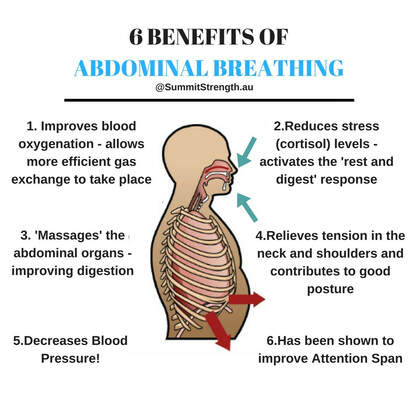
Diaphragmatic breathing has several benefits that can improve our overall health and well-being. Here are some of its advantages:
- Reduces stress and anxiety: By controlling our breath, we can calm our nervous system and reduce feelings of stress and anxiety.
- Improves respiratory function: Diaphragmatic breathing helps strengthen the diaphragm, which can improve lung capacity and overall respiratory health.
- Enhances sleep quality: Practicing diaphragmatic breathing before bed can help regulate our breathing patterns and promote better sleep.
- Boosts immune system: Deep, slow breaths can increase oxygen flow to the body, which can boost our immune system.
Getting Started with Diaphragmatic Breathing
Incorporating diaphragmatic breathing into your daily routine can be simple. Here are some steps to get you started:
- Find a quiet and comfortable space where you can sit or lie down without distractions.
- Start by relaxing your body, letting go of any tension in your shoulders, arms, or legs.
- Place one hand on your belly and the other on your chest. This will help you feel the movement of your diaphragm as you breathe.
- Close your eyes and take slow, deep breaths in through your nose, allowing your belly to rise as you inhale.
- As you exhale, allow your belly to fall, feeling the release of tension in your body.
Tips for Effective Diaphragmatic Breathing
Here are some additional tips to help you master diaphragmatic breathing:
- Practice regularly: Consistency is key when developing new habits. Try practicing diaphragmatic breathing at least once a day.
- Be patient: It may take time for your body to adjust to the new pattern of breathing. Don’t get discouraged if it feels awkward at first.
- Use visualization techniques: Imagining a peaceful, relaxing environment can help you focus on your breath and calm your mind.
Common Challenges and Solutions
- Difficulty feeling the movement of my diaphragm: Try placing your hand on your belly and observing how it moves as you breathe. You may need to practice regularly to develop this awareness.
- Feeling awkward or uncomfortable: Start with short sessions and gradually increase the duration as you become more comfortable with the practice.
- Difficulty relaxing my body: Practice relaxation techniques such as progressive muscle relaxation, visualization, or meditation to help calm your mind and body.
Conclusion
Mastering diaphragmatic breathing is a powerful tool that can improve our physical and emotional well-being. By incorporating this technique into our daily routine, we can reduce stress and anxiety, enhance respiratory function, promote better sleep, and boost our immune system. With patience and practice, you can develop the skills necessary to harness the benefits of diaphragmatic breathing.
FAQs
- What is diaphragmatic breathing?
Diaphragmatic breathing, also known as belly breathing, involves using the diaphragm to expand the lungs. - How does diaphragmatic breathing help with stress and anxiety?
By controlling our breath, we can calm our nervous system and reduce feelings of stress and anxiety. - Can I practice diaphragmatic breathing anywhere?
While it’s best to find a quiet space, you can also practice diaphragmatic breathing in other environments, such as during meditation or yoga. - How often should I practice diaphragmatic breathing?
Aim to practice diaphragmatic breathing at least once a day for optimal benefits. - Can diaphragmatic breathing be beneficial for people with respiratory issues?
Yes, diaphragmatic breathing can help strengthen the diaphragm and improve lung capacity, which can benefit individuals with respiratory conditions.
By incorporating diaphragmatic breathing into your daily routine, you can experience improved physical and emotional well-being. With consistent practice and patience, you’ll be able to harness the benefits of this powerful technique.


