
Introduction
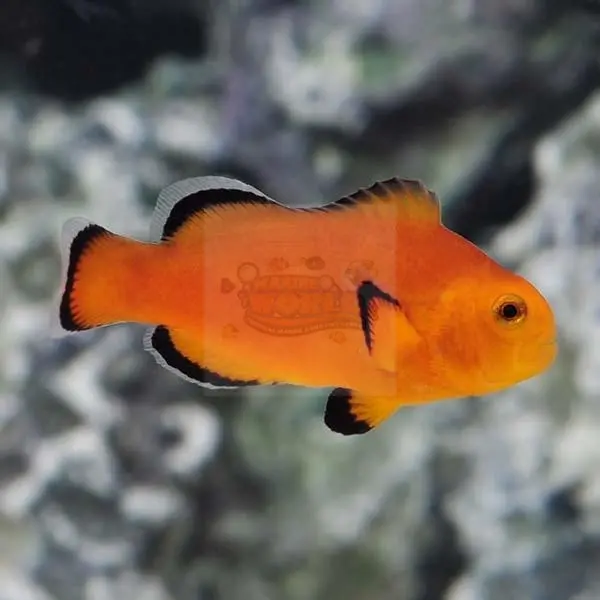
Clownfish, scientifically known as Amphiprion ocellaris, have captivated the hearts of many with their vibrant orange and white stripes. Made famous by the movie Finding Nemo, these small but fierce fish have become a staple in home aquariums around the world. But beyond their fame, clownfish are fascinating creatures that require specific care and attention to thrive. In this article, we’ll delve into the world of clownfish, exploring their habitat, behavior, breeding requirements, and more.
Habitat and Distribution
Clownfish are native to the warm waters of the Pacific and Indian Oceans, specifically in areas with coral reefs and rocky outcroppings. They inhabit small groups and can be found living among anemones, which provide them with protection from predators. Anemones are actually a type of marine alga that have formed a symbiotic relationship with clownfish, providing them with shelter and protection in exchange for nutrients.
In the wild, clownfish can be found in shallow waters, typically between 10-40 feet deep. They prefer areas with high levels of nutrients and abundant food sources, such as small crustaceans and plankton. If you’re looking for a clownfish in its natural habitat, be prepared to travel far, as they are relatively rare.
Choosing the Right Clownfish for Your Aquarium
To successfully keep a clownfish in your aquarium, you’ll need to invest in a well-equipped setup that includes a separate anemone for each fish. A smaller aquarium with a few accessories is ideal for starting out, as it will be more cost-effective than building a large tank.
When selecting a clownfish, consider the following factors:
- Size: Look for small, healthy specimens (about 1-2 inches in length) that are suitable for your aquarium size.
- Coloration: Choose fish with vibrant orange and white stripes, but avoid those with excessive damage or discoloration.
- Age: Opt for juvenile clownfish (0-6 months old), as they tend to be more docile and easier to care for.
Breeding Clownfish: A Challenging Process
Breeding clownfish can be a daunting task, even for experienced aquarists. It requires careful monitoring of water quality, feeding, and tank conditions to ensure the health and well-being of both parents and their offspring. Here are some essential tips for successful breeding:
- Water Quality: Maintain excellent water quality, with parameters such as pH, ammonia, nitrite, and nitrate levels all within acceptable ranges.
- Feeding: Provide a varied diet that includes high-quality commercial flake food, live or frozen foods, and occasional treats like brine shrimp or mysis larvae.
- Tank Conditions: Ensure the tank is well-filtered, with plenty of hiding places and visual barriers to reduce stress on the fish.
After mating, the female lays eggs on a substrate or on the anemone’s tentacles, which are then guarded by the male until they hatch. The average incubation period for clownfish eggs is about 12-14 days.
Understanding the Difference Between Amphiprion Ocellaris and Amphiprion Percula
Many enthusiasts believe that Amphiprion ocellaris is the same as Amphiprion percula, but this is not entirely accurate. While both species share some similarities, Amphiprion percula has distinct physical characteristics, such as a black spot on its dorsal fin and a slightly different number of spine rays.
In addition to their physical differences, Amphiprion ocellaris are also known for their more vibrant coloration, while Amphiprion percula tend to be more subdued. When choosing between the two species, consider your personal preferences and the specific needs of your aquarium.
Price and Variations
The price of clownfish varies depending on size and coloration. A small, wild-caught specimen can cost anywhere from €10 to €15, while a larger, domesticated fish can range from €40 to €70. However, some rare mutations, such as the “Ghost” variety, can fetch prices upwards of €100 or more.
Some popular clownfish varieties include:
- “Nemo” (Amphiprion ocellaris): A bright orange and white striped variant with a distinctive rounded tail.
- “Cinnamon” (Amphiprion percula): A darker brown or golden variant with black spots on its dorsal fin.
- “Ghost” (Amphiprion ocellaris): A rare mutation characterized by a pale, ghostly appearance.
The Myth of the Clownfish in Freshwater
Contrary to popular belief, there is no species of clownfish that lives in freshwater environments. The term “freshwater clownfish” is often used informally to refer to the Botia macracantha, a different fish species altogether.
While clownfish are primarily marine animals, some aquarium enthusiasts have experimented with keeping them in freshwater tanks using specialized equipment and water treatments. However, this is not recommended for beginners or inexperienced aquarists, as it can be difficult to replicate the natural environment required by these fish.
Conclusion
Clownfish are fascinating creatures that require careful attention and specific care to thrive. By understanding their habitat, behavior, and breeding requirements, you can create a thriving aquarium environment for these remarkable fish. Remember to choose the right clownfish for your aquarium, provide excellent water quality, and maintain a suitable environment with separate anemones for each fish.
Frequently Asked Questions
Q: How much does it cost to buy a clownfish?
A: The price of a small, wild-caught clownfish ranges from €10 to €15, while larger domesticated specimens can cost between €40 and €70. Rare mutations can fetch higher prices.
Q: Can I keep multiple clownfish together in the same tank?
A: No, it is recommended to keep each clownfish with its own anemone to prevent stress and aggression.
Q: How do I care for a breeding pair of clownfish?
A: To ensure successful breeding, you’ll need to maintain excellent water quality, provide a varied diet, and create a suitable environment with separate anemones for each fish.
Q: What is the difference between Amphiprion ocellaris and Amphiprion percula?
A: While both species share some similarities, Amphiprion percula has distinct physical characteristics, such as a black spot on its dorsal fin and a slightly different number of spine rays.
Q: Can I keep clownfish in freshwater environments?
A: No, there is no species of clownfish that lives in freshwater environments. The term “freshwater clownfish” is often used informally to refer to the Botia macracantha.
Q: How do I care for a clownfish as an adult?
A: Clownfish are relatively low-maintenance pets, requiring regular water changes and a varied diet. Provide plenty of hiding places and a suitable environment to ensure their health and well-being.
Q: Can I get a clownfish with specific colorations or mutations?
A: Yes, many breeders offer varieties with unique color patterns, such as the “Ghost” variety. However, these can be more expensive due to their rarity.


