
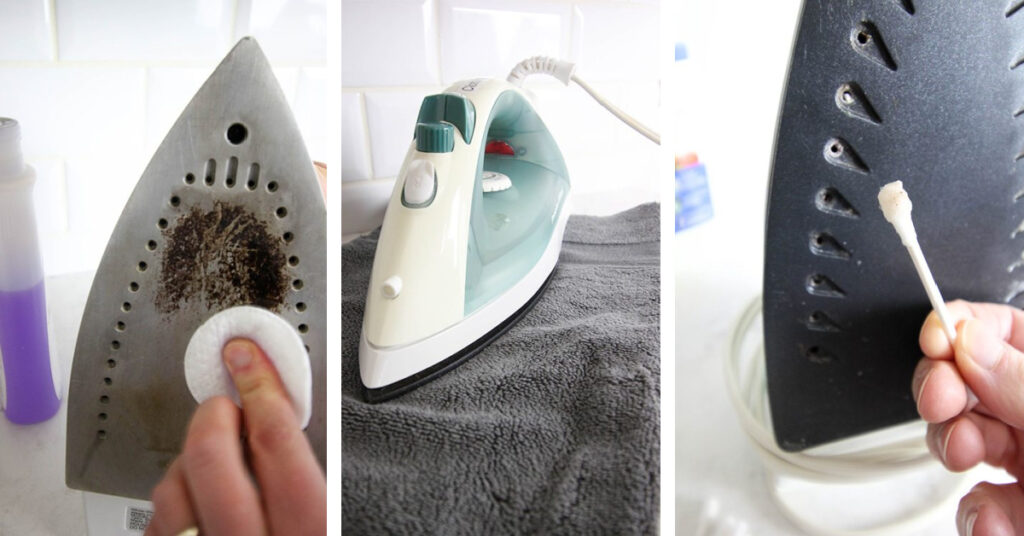
As one of the most commonly used household appliances, your iron can greatly benefit from regular maintenance to ensure optimal performance, efficiency, and longevity. Cleaning your iron and ironing board is crucial to prevent mineral buildup, which can lead to reduced heat transfer, increased energy consumption, and a general decrease in overall quality.
In this comprehensive guide, we’ll explore the importance of cleaning your iron and ironing board, provide step-by-step instructions on how to do it effectively, and offer some valuable tips for maintaining your appliance.
Why Clean Your Iron and Ironing Board?
A neglected iron can lead to a variety of problems, including:
- Reduced heat transfer efficiency: Mineral buildup can cause the iron’s soleplate to become less effective at transferring heat, leading to poor fabric quality and uneven drying.
- Increased energy consumption: A dirty or clogged iron can consume more energy than necessary, increasing your electricity bill and putting additional strain on your appliance.
- Poorer fabric quality: Ironing with a dirty or damaged iron can lead to wrinkles, creases, and other fabric imperfections that can be difficult to remove.
- Mineral buildup and calcification: As minerals from the water in your area build up on the iron’s soleplate, they can cause damage and affect the appliance’s performance.
- Reduced lifespan: Neglecting to clean or maintain your iron regularly can lead to premature wear and tear, reducing its lifespan and requiring costly repairs.
On the other hand, a regularly cleaned iron and ironing board can:
- Improve heat transfer efficiency: By removing mineral deposits and stains, you can ensure that your iron is able to transfer heat evenly and efficiently.
- Reduce energy consumption: A clean iron will consume less energy than one that’s been neglected or maintained poorly.
- Maintain optimal fabric quality: Regular cleaning and maintenance can help prevent wrinkles, creases, and other fabric imperfections that can affect the appearance of your clothes.
- Prevent mineral buildup and calcification: By regularly cleaning your iron and ironing board, you can prevent minerals from building up on the soleplate, reducing the risk of damage and affecting performance.
- Extend the lifespan of your appliance: Regular maintenance and cleaning can help extend the lifespan of your iron, reducing the need for costly repairs or replacements.
Cleaning Your Iron Board
The first step in cleaning your iron board is to remove any debris or dust that may have accumulated on its surface. To do this, simply use a soft cloth to wipe down the board.
Next, mix equal parts water and white vinegar in a spray bottle. Spray the solution onto the ironing board and let it sit for about 10-15 minutes. The acid in the vinegar will help break down any mineral deposits or stains.
Using a soft-bristled brush or a clean cloth, gently scrub away any remaining debris or stains. Rinse the board with warm water and dry it thoroughly with a soft cloth.
Cleaning Your Iron
To clean your iron, start by unplugging it from the power source to ensure your safety.
Mix equal parts water and white vinegar in a bowl or sink. Submerge the iron into the solution and let it sit for about 10-15 minutes. The acid in the vinegar will help dissolve any mineral deposits or stains on the soleplate.
Using a soft-bristled brush or a clean cloth, gently scrub away any remaining debris or stains. Rinse the iron with warm water and dry it thoroughly with a soft cloth.
For tougher stains or mineral buildup, you can also use a gentle cleaning solution specifically designed for irons. Be sure to follow the manufacturer’s instructions for usage and safety precautions.
Natural Alternatives to Vinegar
While vinegar is an effective cleaner for your iron and ironing board, some people may not prefer its strong acidity or odor. If you’re looking for alternative natural cleaners, consider the following options:
- Baking soda: Mix equal parts baking soda and water to create a paste that can help remove mineral deposits and stains.
- Lemon juice: Mix equal parts lemon juice and water to create a solution that can help dissolve mineral deposits and stains.
Tips and Precautions
Here are some additional tips and precautions to keep in mind when cleaning your iron and ironing board:
- Always unplug your iron before cleaning or maintenance to ensure your safety.
- Avoid using abrasive materials or harsh chemicals, which can damage the iron’s soleplate or other components.
- Regularly clean your iron and ironing board to prevent mineral buildup and calcification.
- Consider descaling your iron every 1-3 months, depending on usage and water quality.
Frequently Asked Questions
Here are some frequently asked questions related to cleaning your iron and ironing board:
Q: How often should I clean my iron and ironing board?
A: It’s recommended to clean your iron and ironing board at least once a week, or more frequently if you notice mineral buildup or stains.
Q: What is the best way to remove mineral deposits from my iron?
A: Mix equal parts water and white vinegar in a bowl or sink. Submerge the iron into the solution and let it sit for about 10-15 minutes. Then, use a soft-bristled brush or a clean cloth to scrub away any remaining debris or stains.
Q: Can I use baking soda to clean my iron?
A: Yes, you can mix equal parts baking soda and water to create a paste that can help remove mineral deposits and stains from your iron.
Q: How do I prevent mineral buildup on my iron?
A: Regularly cleaning your iron and ironing board, using descaling solution, and maintaining good water quality can help prevent mineral buildup.
Q: Can I use lemon juice to clean my iron?
A: Yes, mix equal parts lemon juice and water to create a solution that can help dissolve mineral deposits and stains from your iron.
Q: What are some common mistakes people make when cleaning their iron and ironing board?
A: Some common mistakes include not unplugging the iron before cleaning, using abrasive materials or harsh chemicals, and failing to regularly clean the iron and ironing board.
Advanced Cleaning Techniques
For more stubborn mineral deposits or stains, consider trying one of these advanced cleaning techniques:
- Soak the iron in a solution of equal parts water and white vinegar for several hours or overnight.
- Use a gentle scrubber or scourer to remove mineral deposits from the iron’s soleplate.
- Apply a small amount of baking soda paste directly to the affected area and let it sit for several minutes before rinsing with warm water.
Conclusion
Cleaning your iron and ironing board is an essential part of maintaining their performance, efficiency, and longevity. By following the steps outlined in this guide, you can remove mineral deposits and stains, prevent damage, and ensure that your iron continues to function optimally. Remember to regularly clean your iron and ironing board, use descaling solution as needed, and maintain good water quality to extend the lifespan of your appliance.
By taking these simple steps, you can enjoy a range of benefits, including:
- Improved heat transfer efficiency
- Reduced energy consumption
- Better fabric quality
- Prevention of mineral buildup and calcification
- Extended lifespan of your iron
So why wait? Start cleaning your iron and ironing board today and discover the difference that regular maintenance can make.


