
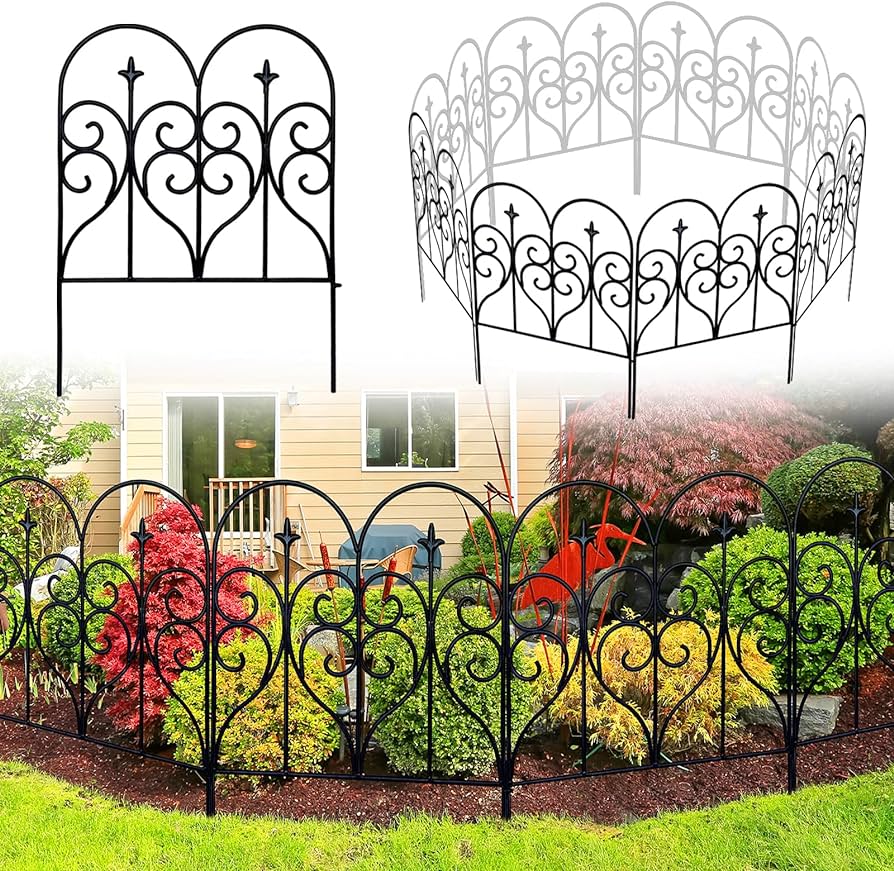
Are you tired of watching your hard-earned vegetables and flowers get ravaged by wild animals? Installing a sturdy garden fence can be the perfect solution to protect your outdoor space. In this article, we’ll explore the different types of fencing solutions available, their benefits, and provide you with step-by-step guides on how to create an effective barrier against wildlife.
Why Protect Your Garden from Wild Animals?
Wild animals like deer, rabbits, raccoons, and even crows can cause significant damage to your garden, resulting in lost crops and wasted time. Not only that, but these unwanted visitors can also carry diseases and pests that can harm humans and pets. By installing a reliable fence, you can safeguard your garden, enjoy the peace of mind, and prevent costly losses.
Types of Garden Fencing
There are three primary types of fencing solutions for protecting your garden:
- Metallic Mesh Fences
- Wooden Stacked Fences
- Electric Fences
Each type has its own advantages and disadvantages. Let’s delve into the specifics of each option.
1. Metallic Mesh Fences
A metallic mesh fence is a popular choice for garden protection due to its affordability, ease of installation, and effectiveness in deterring small animals like rabbits and squirrels. However, it may not be sufficient to keep larger animals like deer or raccoons at bay.
Installation Requirements:
- Height: Ensure the fence is at least 180 cm (6 feet) high to prevent jumping.
- Spacing: Space the mesh tightly (less than 5 cm apart) to prevent small animals from squeezing through.
- Supporting Structure: Use sturdy posts and concrete footings to support the weight of the fence.
2. Wooden Stacked Fences
A wooden stacked fence is a classic choice for garden protection, offering a natural look and durability. However, it may not be effective against larger animals or those with sharp claws like raccoons.
Installation Requirements:
- Height: Ensure the fence is at least 180 cm (6 feet) high to prevent jumping.
- Spacing: Space the wooden planks tightly (less than 10 cm apart) to prevent small animals from squeezing through.
- Securing: Use strong nails and a secure fastening system to keep the planks in place.
3. Electric Fences
An electric fence is the most effective solution for protecting your garden from wild animals, particularly larger ones like deer or raccoons. However, it requires regular maintenance and can be expensive to install.
Installation Requirements:
- Height: Ensure the fence is at least 180 cm (6 feet) high to prevent jumping.
- Spacing: Space the electric wires tightly (less than 25-30 cm apart) to deter animals from crossing over.
- Maintenance: Regularly check and maintain the electric fence to ensure it remains effective.
Additional Tips
- Burying the Fence: Consider burying the fence 50 cm underground to prevent digging by animals like moles or groundhogs.
- Using Deterrents: Combine your fencing solution with other deterrents like motion-activated sprinklers, ultrasonic repellent devices, or even hot pepper sprays to increase its effectiveness.
By choosing the right type of fence and following these installation requirements, you can effectively protect your garden from wild animals and enjoy a peaceful outdoor space. Don’t forget to consider additional tips for maximizing the effectiveness of your fencing solution!
Frequently Asked Questions (FAQs)
- What is the most effective way to prevent deer from entering my garden?
- Electric fencing with high-tension wires or using motion-activated sprinklers can be an effective deterrent.
- How do I protect my garden from raccoons and other small animals?
- Wooden stacked fences or metallic mesh fences can be effective against smaller animals like squirrels and rabbits.
- Can electric fences damage plants or crops in my garden?
- No, if installed correctly, electric fences should not harm your plants or crops.
- How often do I need to maintain an electric fence?
- Regularly check the fence for signs of wear and tear, and repair or replace it as needed.
By understanding the different types of fencing solutions available and following these tips, you can create a safe and effective barrier against wild animals in your garden.


