
As the world shifts towards more sustainable building practices, insulation materials have become a crucial aspect of energy-efficient construction. One popular choice is expanded polystyrene (EPS), also known as “polystyrolo expanded” or “styrofoam”. In this article, we’ll delve into the world of EPS and explore its applications, benefits, and alternatives.
What is Expanded Polystyrene?
Expanded polystyrene is a synthetic material made from small pellets of polystyrene that are heated and expanded with pentane. This process creates a lightweight, porous insulation that can be used for various applications.
Production Process
The production of EPS involves several steps:
- Pelletizing: Polystyrene pellets are created through a chemical reaction.
- Expansion: The pellets are heated and expanded with pentane to create the desired texture.
- Cutting: The expanded polystyrene is then cut into smaller pieces, which can be used for insulation.
EPS vs. XPS: A Comparison
Expanded polystyrene (EPS) and extruded polystyrene (XPS) are two types of synthetic insulation materials. While both share similar properties, there are distinct differences between them:
- Production Process: EPS is produced through a more energy-intensive process involving expansion with pentane.
- Density: XPS has a higher density than EPS, making it denser and heavier.
- Moisture Resistance: Both materials have poor moisture resistance, but XPS is less prone to water absorption.
EPS vs. Natural Insulation Materials
While synthetic insulation like EPS has its benefits, natural insulation materials are gaining popularity due to their eco-friendliness and sustainability:
- Fiberglass: A popular choice for insulation, fiberglass is made from recycled glass.
- Cellulose: Derived from wood pulp, cellulose-based insulation is biodegradable and renewable.
- Rigid Foam Board: Made from natural materials like foam beads or expanded clay, rigid foam board provides excellent thermal insulation.
EPS Applications
Expanded polystyrene (EPS) has a wide range of applications in the construction industry:
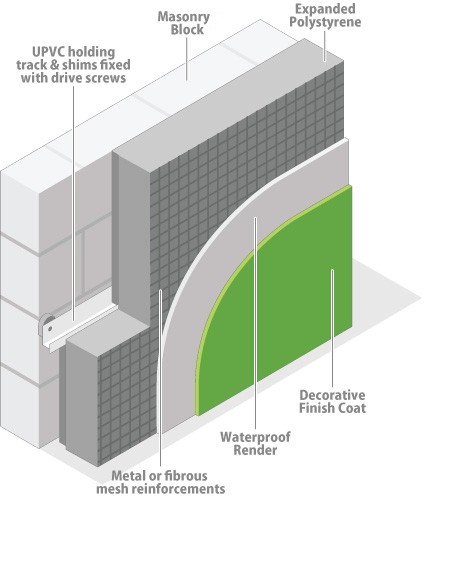
- Cappotto Termico: EPS is often used to create the “sandwich” structure that makes up modern insulation systems.
- Roofing: EPS can be used as an underlayment material for roofing, providing a water-resistant barrier.
- Foundations: EPS is also used in foundation construction due to its ability to provide thermal insulation and moisture protection.
Benefits of Using EPS
EPS offers several benefits when it comes to building energy efficiency:
- Energy Savings: By reducing heat transfer between the interior and exterior environments, EPS helps minimize heating and cooling costs.
- Acoustic Insulation: EPS provides excellent sound absorption properties, creating a more comfortable living space.
- Moisture Resistance: Although not ideal, EPS still offers some moisture resistance due to its porous structure.
Alternatives to EPS
While EPS has its advantages, there are alternative insulation materials that can offer better performance and sustainability:
- Radiant Barrier Foil: A reflective material that reduces heat gain in the summer.
- Spray Foam Insulation: Offers high thermal insulation properties while providing a tighter seal.
EPS in Commercial Buildings
EPS is widely used in commercial buildings due to its affordability, ease of installation, and energy-saving capabilities:
- Office Buildings: EPS can be used as an insulation material for walls, ceilings, and floors.
- Hotels and Motels: EPS helps maintain a comfortable temperature in guest rooms.
Benefits of Using EPS in Commercial Buildings
- Energy Savings: By reducing heat transfer between environments, EPS can help minimize heating and cooling costs in commercial buildings.
- Acoustic Insulation: Provides excellent sound absorption properties, creating a more comfortable living space for tenants.
- Moisture Resistance: Offers some moisture resistance due to its porous structure.
EPS in Residential Buildings
EPS is also used in residential buildings due to its affordability and energy-saving capabilities:
- Singles and Townhouses: EPS can be used as an insulation material for walls, ceilings, and floors.
- Condominiums and Apartments: EPS helps maintain a comfortable temperature in living spaces.
Benefits of Using EPS in Residential Buildings
- Energy Savings: By reducing heat transfer between environments, EPS can help minimize heating and cooling costs in residential buildings.
- Acoustic Insulation: Provides excellent sound absorption properties, creating a more comfortable living space for residents.
- Moisture Resistance: Offers some moisture resistance due to its porous structure.
EPS Recycling
The EPS recycling process involves collecting used EPS materials from construction sites and recycling facilities. The collected EPS is then cleaned, crushed, and recycled into new products such as:
- New EPS Products: Recycled EPS can be used to manufacture new insulation materials.
- Building Materials: Recycled EPS can be used to manufacture building materials like roofing underlayment.
Conclusion
In conclusion, expanded polystyrene (EPS) is an effective insulation material with various applications. However, it’s essential to weigh its benefits against the environmental impact of synthetic materials. By considering alternative insulation options and exploring more sustainable building practices, we can create energy-efficient buildings that minimize our carbon footprint.
Frequently Asked Questions
Q: What are the benefits of using EPS?
A: EPS provides excellent thermal insulation properties, reduces heat transfer between environments, offers acoustic insulation, and has some moisture resistance.
Q: Is EPS eco-friendly?
A: While EPS is made from recycled materials, its production process can be energy-intensive. Natural insulation materials like fiberglass, cellulose, or rigid foam board offer more sustainable alternatives.
Q: Can EPS be used in roofing applications?
A: Yes, EPS can be used as an underlayment material for roofing due to its water-resistant properties and ability to provide thermal insulation.
Q: What are the limitations of using EPS?
A: EPS has poor moisture resistance and is not ideal for areas with high humidity or exposure to water.
Q: Are there any alternative insulation materials available?
A: Yes, there are several natural insulation materials like fiberglass, cellulose, or rigid foam board that can provide better performance and sustainability.


