
When it comes to choosing the right fabric for our winter clothing, many of us assume that wool is always a safe bet. And while wool does have excellent insulation properties, not all wools are created equal. In this article, we’ll delve into the characteristics of different types of fibers and explore the various ways they’re obtained.
The Importance of Choosing the Right Wool
Choosing the right type of wool is crucial for ensuring that our clothing provides optimal warmth and comfort. Additionally, many sheep breeds can be raised using sustainable practices that minimize environmental impact. By selecting the right type of wool, we can enjoy the benefits of natural insulation while also supporting environmentally friendly farming methods.
Wool: A Natural Insulator
The history of wool dates back to ancient civilizations, with evidence of its use found in Mesopotamia around 3000 BCE. Wool was highly valued for its insulating properties and softness, making it an ideal material for clothing and textiles. Today, wool remains a popular choice for warm clothing, thanks to its natural ability to regulate body temperature.
Wool Production: From Fiber to Fabric
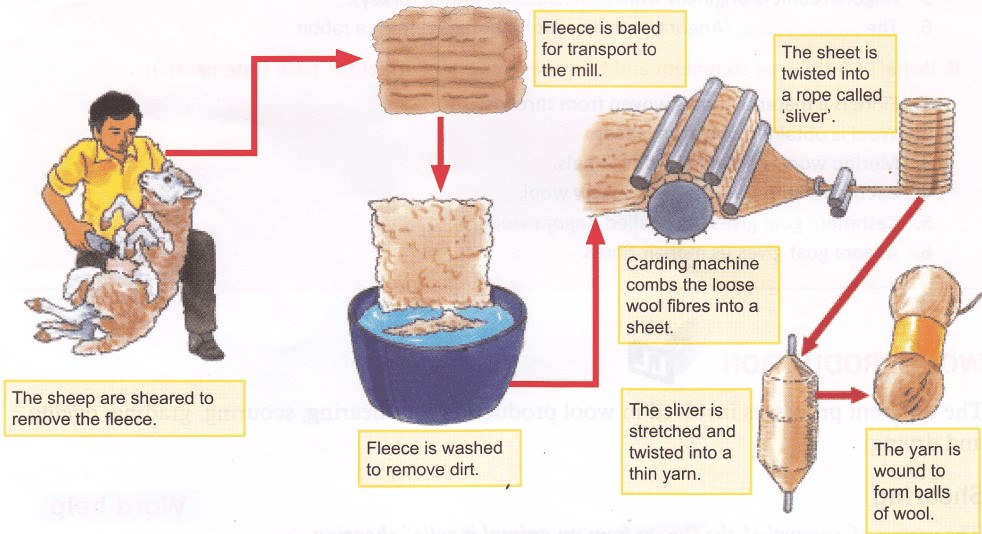
The process of producing wool involves several stages, including shearing, sorting, scouring, and spinning. The quality of the final product depends on the skill of the shepherd, the condition of the sheep’s fleece, and the efficiency of the processing methods used. Once the fibers have been sorted and cleaned, they can be spun into yarn, which is then woven or knitted into fabric.
Microscopic Structure of Wool Fibers
Wool fibers have a unique microscopic structure that contributes to their insulating properties. The fiber consists of several layers, including:
- Cuticola: A protective outer layer that prevents moisture from entering the fiber.
- Elasticum: A flexible middle layer that allows for elasticity and flexibility.
- Cortice or cortex: A harder inner layer that provides additional support and structure.
- Canale midollare: A channel-like structure that runs along the length of the fiber, helping to regulate temperature.
Types of Wool: Animal-Specific Characteristics
Different animal breeds produce wool with unique characteristics, making some more suitable for certain applications than others. Some popular types of wool include:
- Merino wool from sheep
- Mohair from Angora goats
- Cashmere from Tibetan antelopes
- Alpaca wool from South American camelids
- Camel hair from desert-dwelling camels
- Angora rabbit fiber from rabbits
Each type of wool has its own distinct properties, making it suitable for specific applications. For example, merino wool is known for its softness and breathability, while mohair is prized for its durability and shine.
Types of Wool: Characteristics
Within each type of wool, there are various characteristics that distinguish one from another. Some popular types of wool include:
- Mohair: Known for its silk-like texture and elasticity.
- Cashmere: Renowned for its softness and warmth.
- Alpaca: Recognized for its lightweight and breathable properties.
- Camel hair: prized for its durability and resistance to wrinkles.
When choosing a type of wool, consider the intended use of the fabric. For example, if you’re looking for a warm and breathable blanket, merino wool might be an excellent choice. If you need a durable and water-resistant coat, mohair or camel hair could be a good option.
Benefits of Wool
Wool has numerous benefits that make it an attractive choice for clothing and textiles. Some of the key advantages of using wool include:
- Natural insulation: Wool’s unique structure allows it to trap warm air while allowing moisture to escape, making it an effective insulator.
- Breathability: Wool is highly breathable, which means it can regulate temperature and prevent overheating or sweating.
- Moisture-wicking: Wool has natural moisture-wicking properties that help keep the wearer dry and comfortable in wet conditions.
- Durability: Many types of wool are incredibly durable and resistant to wear and tear, making them a great choice for clothing that needs to withstand heavy use.
Sustainable Wool Production
Sustainable wool production is an increasingly important issue, as many sheep breeds can be raised using environmentally friendly practices. Some of the key benefits of sustainable wool production include:
- Reduced environmental impact: Sustainable wool production involves reducing waste, conserving resources, and promoting environmentally friendly farming methods.
- Improved animal welfare: By raising sheep in more humane conditions, sustainable wool production promotes better animal welfare and reduces cruelty to animals.
- Supports local economies: Sustainable wool production often involves supporting local farmers and economies, which can have a positive impact on community development.
Conclusion
Wool is a versatile natural fiber that offers many benefits for our clothing and textiles. By understanding the characteristics of different types of wool and how they’re obtained, we can make informed decisions about which fabrics to choose for specific applications. Whether you’re looking for warmth, softness, or durability, there’s a type of wool out there to suit your needs.
Frequently Asked Questions
- What is the difference between merino wool and cashmere?
Merino wool and cashmere are both types of wool, but they come from different animals (merino sheep vs. Tibetan antelopes). While both fibers are soft and warm, merino wool has a more breathable and moisture-wicking quality than cashmere. - Can I use any type of wool for knitting or crochet?
No, not all types of wool are suitable for knitting or crochet. For example, mohair can be challenging to work with due to its elasticity and tendency to split. It’s generally recommended to choose wools specifically designed for these crafts. - Is it possible to dye wool?
Yes, wool can be dyed using various methods, such as hand-dyeing or machine dyeing. The type of dye used will depend on the desired color and the specific fiber being worked with. - What is the difference between raw wool and processed wool?
Raw wool refers to unprocessed fibers that have been harvested from sheep. Processed wool, on the other hand, has undergone various treatments, such as scouring and spinning, to create a usable fabric. - Can I use wool for insulation in buildings?
Yes, wool can be used as an eco-friendly insulating material due to its natural properties of trapping air and regulating temperature.
Tips for Choosing the Right Wool
Choosing the right type of wool can be overwhelming, especially with so many different types available. Here are some tips to help you make an informed decision:
- Consider the intended use: Think about how you plan to use the wool fabric. If you need a warm and breathable blanket, merino wool might be an excellent choice.
- Choose the right fiber: Different types of wool have unique properties that make them more or less suitable for specific applications.
- Look for certifications: Some types of wool are certified as sustainable or eco-friendly. Look for these certifications when choosing a type of wool.
- Weigh the pros and cons: Each type of wool has its own set of advantages and disadvantages. Weigh these factors to determine which type of wool is best for your needs.
By understanding the characteristics of different types of wool and how they’re obtained, you can make informed decisions about which fabrics to choose for specific applications. Whether you’re looking for warmth, softness, or durability, there’s a type of wool out there to suit your needs.


