
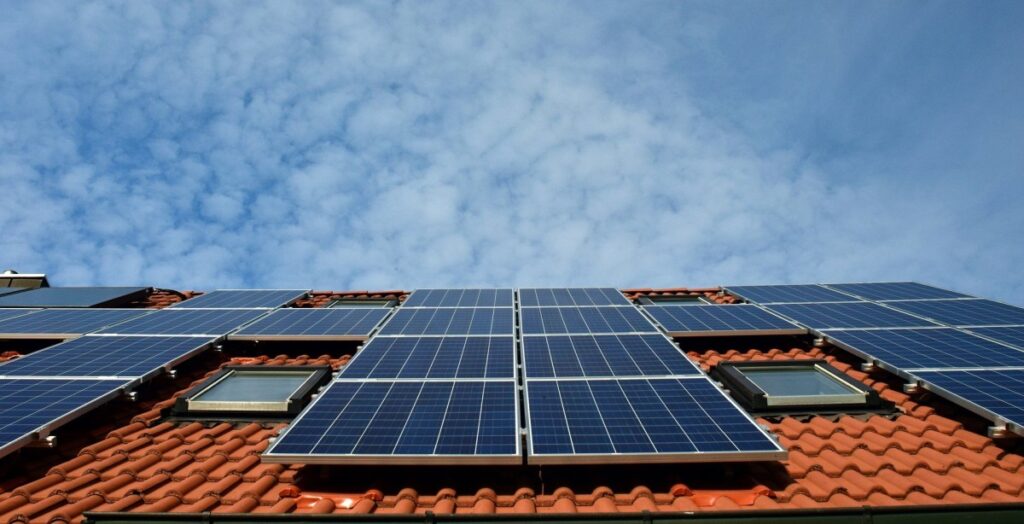
As the world shifts towards renewable energy sources, solar power has become an increasingly popular option for individuals and businesses looking to reduce their carbon footprint. In this article, we will explore how solar power works, its benefits, and how it can be installed in Milan.
What are Solar Panels? And What Are Their Characteristics?
Solar panels are devices that harness the energy from the sun to produce electricity or heat water. They consist of photovoltaic cells made from semiconducting materials like silicon, which convert sunlight into electrical energy. There are two types of solar panels: photovoltaic (PV) panels and thermal collectors.
Photovoltaic (PV) panels are the most common type of solar panel and are used to generate electricity from sunlight. They consist of a series of connected cells made from semiconducting materials like silicon, which convert sunlight into electrical energy. PV panels can be mounted on rooftops or in yards, depending on the specific installation requirements.
Thermal collectors, on the other hand, are designed to heat water or air for use in buildings. They consist of a series of tubes filled with a fluid that is heated by the sun’s rays, which then transfer the heat to a building’s water system or air handling unit.
What Is an Inverter, and What Does It Do?
An inverter is a device that converts the direct current (DC) electricity generated by PV panels into alternating current (AC) electricity, which is usable in homes and businesses. The inverter also monitors the energy production and consumption of the system and optimizes its performance.
Inverters are an essential component of solar power systems, as they enable the seamless integration of solar energy with the existing electrical grid. They are typically installed at the point of connection between the PV panels and the electrical panel in a building.
Our Experience with Solar Power in Milan
In this article, we will share our experience with solar power in Milan, specifically with the installation of a 6 kW PV system at our office building. We partnered with Element Energia, a well-established Italian company specializing in renewable energy solutions.
We were impressed by the professionalism and expertise of Element Energia’s team, who conducted a thorough assessment of our energy needs and designed a customized solar power system to meet those needs. The installation process was efficient and took only three days: one day for site preparation and two days for installation and configuration.
After the installation is complete, we waited for the necessary technical approvals before connecting our system to the grid. We were thrilled to see that our solar power system was producing clean energy and reducing our reliance on fossil fuels.
How Long Does It Take to Install Solar Panels?
The installation process typically takes only three days: one day for site preparation and two days for installation and configuration. After the installation is complete, we waited for the necessary technical approvals before connecting our system to the grid.
During the installation process, the solar panel technicians assessed our building’s energy needs and designed a customized solar power system to meet those needs. They also installed an inverter to convert the DC electricity generated by the PV panels into AC electricity, which is usable in homes and businesses.
What Space Do Solar Panels Occup?
Solar panels require space on a roof or in a yard, depending on the type of installation. A typical 6 kW PV system requires an area of about 26 square meters (280 square feet). However, this can vary depending on the specific design and layout of the system.
For example, if we were to install our solar power system at our office building, which has a south-facing roof with a slight angle, we would need to allocate approximately 20% more space for the PV panels to maximize energy production. This would result in an additional area of about 52 square meters (560 square feet) for the installation.
Exposure Requirements for Solar Panels in Milan
The exposure requirements for solar panels in Milan are critical to maximize energy production. The ideal orientation is south-facing, with an inclination angle between 30° and 35°. Tiled roofs can be adapted to accommodate the necessary tilt angle, while flat roofs may require additional structural support.
For example, if we were to install our solar power system at our office building, which has a traditional tiled roof with a slight angle, we would need to orient the PV panels south-facing and adjust the angle accordingly. This would ensure that the solar panels receive optimal sunlight throughout the year.
How Much Does Solar Power Save You? And How Does It Work?
The amount of savings depends on various factors, including your energy consumption, system size, and location. In general, solar power systems can save you money on your electricity bills by producing excess energy that is fed back into the grid.
For example, if we were to install our solar power system at our office building, which consumes approximately 10 kilowatt-hours (kWh) of electricity per day, we could potentially reduce our energy bills by 50% or more. This would result in significant savings on our electricity bills and a reduced carbon footprint.
Costs of Solar Power Systems
The cost of a 6 kW PV system in Milan can range from €9,600 to €13,000, depending on the quality of components and installation costs. However, with tax incentives and rebates, the cost per kilowatt (kW) can be as low as €1,600.
For example, if we were to install our solar power system at our office building, which consumes approximately 10 kWh of electricity per day, we could potentially save up to €500 per year on our energy bills. This would result in significant long-term savings and a reduced carbon footprint.
Who Should Consider Installing Solar Panels?
If you’re considering installing solar panels, it’s recommended to consult with a professional installer who has experience in renewable energy solutions. They will assess your energy needs, system size, and installation requirements to provide personalized recommendations.
For example, if we were to install our solar power system at our office building, which is located in the Milan metropolitan area, we would need to consider factors such as:
- The amount of sunlight available on the roof or yard
- The energy consumption patterns of the building
- The local electricity rates and incentives available
- The availability and cost of high-quality PV panels and inverters
Frequently Asked Questions (FAQs)
- How long does it take to install solar panels?
- The installation process typically takes only three days: one day for site preparation and two days for installation and configuration.
- What space do solar panels occupy?
- A typical 6 kW PV system requires an area of about 26 square meters (280 square feet).
- How much does solar power save me?
- The amount of savings depends on various factors, including your energy consumption, system size, and location.
- Can I get a loan to finance my solar panel installation?
- Yes, there are various financing options available for solar panel installations, such as loans and leasing agreements.
- Are there any tax incentives or rebates available for solar panel installations?
- Yes, the government offers various incentives for solar panel installations, including tax credits and rebates.
In conclusion, solar power is a clean and renewable energy source that can significantly reduce our reliance on fossil fuels and lower our carbon footprint. With proper installation and maintenance, solar power systems can provide significant savings on electricity bills and improve the overall efficiency of buildings.
As the world continues to shift towards renewable energy sources, it’s essential to consider the benefits and challenges associated with solar power installations. By understanding how solar power works and its benefits, you can make an informed decision about whether it’s right for your home or business.


