
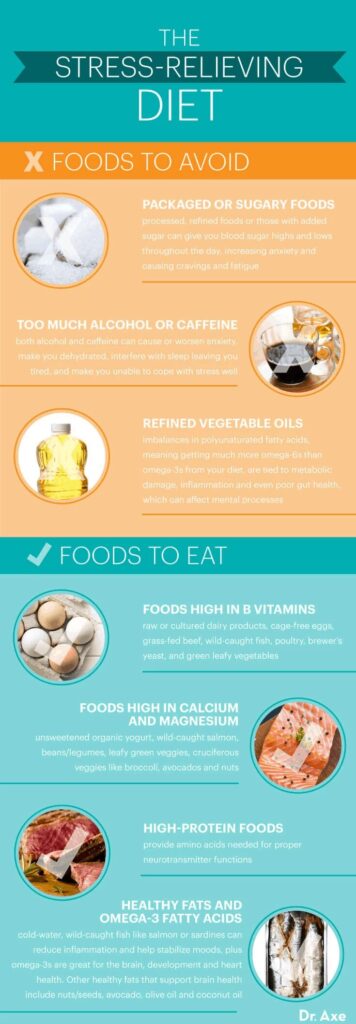
Stress is a common phenomenon that affects millions of people worldwide. It can manifest in various ways, from feeling overwhelmed and anxious to experiencing physical symptoms like fatigue, headaches, and digestive issues. In this article, we will explore the causes of stress, its effects on our lives, and most importantly, natural remedies to alleviate stress and tension.
Understanding Stress
Stress is a state of emotional, mental, or physical strain that results from adverse events or situations. It can be caused by various factors such as work-related pressures, financial constraints, relationship problems, health issues, or even traumatic experiences. When we experience stress, our body’s “fight or flight” response is triggered, releasing hormones like adrenaline and cortisol. While these hormones help us respond to immediate threats, chronic stress can lead to a range of negative effects on our physical and mental well-being.
The Causes of Stress
Causes of stress vary from person to person, and it’s essential to recognize the specific factors that contribute to your stress levels. Some common causes include:
- Work-related pressures: Long working hours, heavy workload, and high expectations can lead to stress.
- Financial constraints: Financial difficulties, debt, and uncertainty about the future can cause significant stress.
- Relationship problems: Conflicts with family members, friends, or romantic partners can be a significant source of stress.
- Health issues or caring for a loved one: Chronic illness, caregiving responsibilities, or dealing with health issues in loved ones can lead to stress.
- Traumatic experiences: Experiencing traumatic events, such as abuse, neglect, or loss, can have a lasting impact on mental and emotional well-being.
- Perfectionism and high expectations: Setting unrealistically high standards for oneself or others can lead to stress and burnout.
- Social media and technology addiction: Excessive use of social media and technology can contribute to feelings of anxiety, loneliness, and stress.
Symptoms of Stress
Stress can manifest in various physical and emotional symptoms, including:
- Fatigue and exhaustion: Feeling tired, drained, or lacking energy can be a sign of chronic stress.
- Headaches and migraines: Tension headaches, migraines, or other types of headaches can be triggered by stress.
- Digestive issues like irritable bowel syndrome (IBS): Stress can exacerbate digestive problems, such as IBS, acid reflux, or stomach ulcers.
- Sleep disturbances: Difficulty falling asleep, staying asleep, or experiencing insomnia can be a result of chronic stress.
- Muscle tension and pain: Stress can cause muscle tension, back pain, or other types of physical discomfort.
- Mood swings and irritability: Feeling short-tempered, moody, or impatient can be a sign of stress.
- Difficulty concentrating and learning new information: Chronic stress can impair cognitive function, leading to difficulties with concentration, memory, or learning.
The Importance of Self-Care
When we experience stress, it’s essential to take care of ourselves. This means prioritizing our physical and emotional well-being by:
- Getting enough sleep and practicing good sleep hygiene: Aim for 7-9 hours of sleep each night and establish a relaxing bedtime routine.
- Engaging in regular exercise and physical activity: Regular exercise can help reduce stress, improve mood, and increase energy levels. Find activities that bring you joy, such as walking, running, swimming, or dancing.
- Eating a balanced diet rich in whole foods and nutrients: Focus on consuming a variety of fruits, vegetables, whole grains, lean proteins, and healthy fats. Avoid processed foods, sugary drinks, and excessive caffeine.
- Practicing relaxation techniques like meditation, deep breathing, or yoga: Regular mindfulness practice can help reduce stress, improve focus, and increase feelings of calmness. Start with short sessions (5-10 minutes) and gradually increase duration as you become more comfortable with the practices.
- Taking breaks and engaging in activities that bring us joy and relaxation: Make time for hobbies, spending time with loved ones, or pursuing activities that bring you happiness.
Natural Remedies for Stress
There are several natural remedies that can help alleviate stress and tension. Some of these include:
- Herbal Infusions: Herbal infusions made from herbs like chamomile, lavender, and passionflower can promote relaxation and reduce anxiety. Steep dried herbs in hot water for 5-10 minutes and drink as a tea before bed or during stressful situations.
- Adaptogenic Herbs: Adaptogenic herbs like ashwagandha, ginseng, and rhodiola rosea can help the body adapt to stress and promote balance. Consume these herbs in supplement form (after consulting with a healthcare professional) or incorporate them into your diet through food sources.
- Aromatherapy: Certain essential oils like lavender, bergamot, and frankincense can have a calming effect on the mind and body. Inhale these oils through a diffuser, apply topically (diluted with carrier oil), or use in massage therapy.
- Mindfulness Meditation: Mindfulness meditation can help reduce stress and anxiety by promoting relaxation and reducing rumination. Start with short sessions (5-10 minutes) and gradually increase duration as you become more comfortable with the practice.
Conclusion
Stress is an inevitable part of life, but it doesn’t have to control our lives. By understanding the causes of stress, recognizing its symptoms, and incorporating natural remedies into our daily routine, we can alleviate stress and tension. Prioritize self-care, seek support from loved ones or professionals when needed, and focus on activities that bring us joy and relaxation.
Frequently Asked Questions
- What are some common causes of stress?
- Work-related pressures
- Financial constraints
- Relationship problems
- Health issues or caring for a loved one
- Traumatic experiences
- Perfectionism and high expectations
- Social media and technology addiction
- What are some physical symptoms of stress?
- Fatigue and exhaustion
- Headaches and migraines
- Digestive issues like irritable bowel syndrome (IBS)
- Sleep disturbances
- Muscle tension and pain
- Mood swings and irritability
- Difficulty concentrating and learning new information
- What are some natural remedies for stress?
- Herbal infusions
- Adaptogenic herbs
- Aromatherapy
- Mindfulness meditation
- How can I manage my stress levels?
- Prioritize self-care
- Recognize and address underlying causes of stress
- Engage in relaxation techniques like deep breathing, yoga, or meditation
- Take breaks and engage in activities that bring us joy and relaxation
By recognizing the importance of self-care, incorporating natural remedies into our daily routine, and prioritizing activities that promote relaxation and well-being, we can effectively manage stress levels and improve overall quality of life.


