
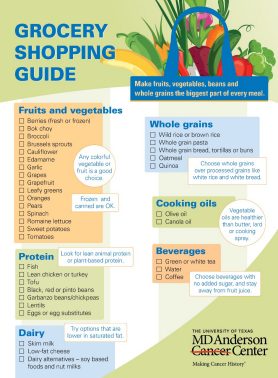
As we delve into the world of anticancer foods, it’s essential to understand that there is no magic bullet when it comes to preventing or curing cancer. A well-balanced diet can be a crucial component of a healthy lifestyle, but it should not be relied upon as the sole solution.
The Origin Story: Understanding the Complexity of Food
Every food has its unique history, and what makes it “good” for us can vary greatly. The origin of an ingredient, farming practices, and processing methods all play a significant role in determining its quality. Just because an item is labeled as organic or natural doesn’t necessarily mean it’s healthy.
For instance, the humble apple is rich in antioxidants, but if it was grown using pesticides, those benefits are negated. Similarly, just because your favorite vegetable came from a local farmer doesn’t guarantee that it’s free of contaminants. It’s crucial to research and understand the food you’re consuming.
Prevention: The Importance of Early Detection
While there is no guaranteed way to prevent cancer, incorporating anticancer foods into your diet can certainly reduce your risk. A well-balanced diet can help support immune function and overall health, but it should not replace regular screenings or medical check-ups.
In Europe, for example, the Food Safety Authority allows the cultivation of genetically modified organisms (GMOs), but they do not permit their importation. Be cautious when consuming GMO-based products, especially those that are highly processed.
Choosing the Right Foods: Separating Fact from Fiction
Antioxidants like vitamin E and beta-carotene have been shown to possess anticancer properties. However, it’s crucial to consume these nutrients in moderation and ensure they’re not excessive, as this can lead to adverse effects.
Avoid consuming foods that are high in added preservatives, emulsifiers, and stabilizers, which can disrupt your body’s natural processes. Instead, focus on whole, unprocessed foods that provide essential nutrients without unnecessary additives.
Biological Foods Vs. Non-OGM: The Importance of Farming Practices
Biological farming methods prioritize soil health, biodiversity, and ecological balance, resulting in produce that is not only nutritious but also free from contaminants. Opt for locally sourced or organic options whenever possible.
When purchasing non-biological products, make sure to rinse them thoroughly under running water to remove any pesticide residues. For added purification, try adding a tablespoon of baking soda or vinegar to your water.
The Dark Side: What to Avoid
Avoidance is key when it comes to GMO-based foods, especially those that have undergone extensive processing. Limit your consumption of meat, dairy products, and processed snacks, as these can contain carcinogenic additives.
In addition to diet, consider the impact of indoor pollutants on your health. Detergents, cleaning products, and other chemicals released into the air can disrupt hormone balance and contribute to disease risk.
A Balanced Approach: Embracing Whole Foods
When it comes to anticancer foods, moderation is key. A balanced diet that includes a variety of whole, nutrient-dense foods will help support your overall health and reduce cancer risk.
Focus on incorporating more plant-based meals into your diet, with an emphasis on fresh fruits, vegetables, legumes, and lean proteins. Include healthy fats like olive oil in moderation to provide essential fatty acids.
The Mediterranean Model: A Framework for Anticancer Eating
Incorporating elements of the Mediterranean diet can be a great way to support overall health and reduce cancer risk. Focus on whole grains, fresh vegetables, fruits, legumes, lean proteins, and healthy fats like olive oil.
Consume meat in moderation, with an emphasis on choosing grass-fed options whenever possible. Limit your intake of processed foods and added sugars, which can lead to inflammation and increase disease risk.
The Power of Fiber: Unlocking Anticancer Potential
Fiber is an essential nutrient that plays a significant role in maintaining a healthy digestive system. Incorporating high-fiber foods into your diet can help reduce cancer risk by:
- Supporting the growth of beneficial gut bacteria
- Regulating blood sugar levels and insulin sensitivity
- Promoting satiety and weight management
Incorporate high-fiber foods like whole grains, legumes, fruits, and vegetables into your diet to reap the benefits.
The Impact of Gut Health on Cancer Risk
Gut health plays a crucial role in cancer prevention. An imbalance of gut bacteria, also known as dysbiosis, has been linked to an increased risk of various cancers.
Incorporate probiotic-rich foods like yogurt, kefir, and kimchi into your diet to support the growth of beneficial gut bacteria.
Conclusion: Separating Fact from Fiction
While there is no guaranteed way to prevent cancer, incorporating anticancer foods into your diet can certainly reduce your risk. By understanding the complexities of food, choosing whole, nutrient-dense foods, and avoiding processed products, you can take control of your health and well-being.
Remember, a balanced approach that includes regular screenings, medical check-ups, and a healthy lifestyle will help support overall wellness. Stay informed, stay vigilant, and prioritize your health.
Frequently Asked Questions (FAQs)
- Q: Can a single food prevent cancer?
A: No, there is no single “magic bullet” that can guarantee the prevention of cancer. A balanced diet that includes a variety of whole foods is essential for supporting overall health. - Q: How often should I consume antioxidant-rich foods?
A: Consume antioxidant-rich foods in moderation, as excessive consumption can lead to adverse effects. - Q: Are GMO-based products safe to eat?
A: While the European Food Safety Authority allows GMO cultivation but not importation, it’s essential to exercise caution and choose organic options whenever possible. - Q: Can diet alone prevent cancer?
A: No, a balanced diet is essential for supporting overall health but should not replace regular screenings or medical check-ups. - Q: How can I reduce indoor pollution at home?
A: Use eco-friendly cleaning products, ventilation systems, and air purifiers to minimize exposure to chemicals released into the air.
By understanding the complexities of food and incorporating whole, nutrient-dense foods into your diet, you can take control of your health and well-being. Remember to stay informed, prioritize your health, and consult with a healthcare professional for personalized advice.


