
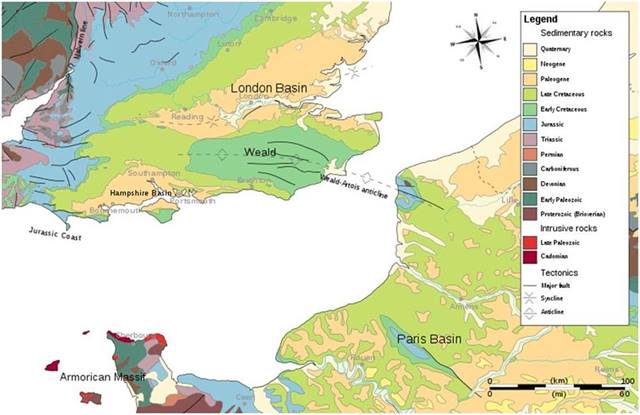
Mountains have always fascinated humans, and their formation is a complex process that has puzzled scientists for centuries. The term “orogeny” refers to the process by which mountains are formed, and it’s a fascinating topic that requires an understanding of geological history and plate tectonics.
What is Orogenesis?
Orogeny literally means “the origin of mountains,” and it refers to the formation of mountain ranges through a combination of geological processes. Mountains are not always present where they are today, and their formation can be complex and varied. In this article, we’ll explore the different types of orogenies that have shaped our planet’s surface.
The History of Orogeny
For centuries, scientists believed that mountains were formed as a result of gradual uplift over millions of years. However, the discovery of ancient fossils on mountain tops challenged this idea and led to a greater understanding of the role of tectonic forces in shaping our planet’s surface. Today, we know that orogeny is an ongoing process that has shaped the Earth’s surface for billions of years.
The Two Main Types of Orogenies
There are two main types of orogenies: sedimentary and compressive. Sedimentary orogeny occurs when sediments accumulate in a region and are compressed, leading to the formation of mountains. Compressive orogeny, on the other hand, occurs when tectonic plates collide, causing the Earth’s crust to be pushed upwards.
The Alpine Orogeny
One of the most significant orogenies in history is the Alpine orogeny, which occurred during the Mesozoic era (250-65 million years ago). This process was triggered by the collision between the African and Eurasian plates, resulting in the formation of the Himalayan mountain range. The Alps themselves are a result of this process, and their formation has had a profound impact on European history.
The Caledonian Orogeny
Another significant orogeny occurred during the Paleozoic era (485-250 million years ago), resulting in the formation of the Caledonian mountains in northern Europe. This process was triggered by the collision between the Laurentian and Baltic plates, leading to the formation of a mountain range that stretched from Scotland to Norway.
The Hercynian Orogeny
The Hercynian orogeny occurred during the Paleozoic era (450-250 million years ago) and resulted in the formation of mountains in central Europe. This process was triggered by the collision between the Gondwana and Laurasia plates, leading to the formation of a mountain range that stretched from France to Poland.
The Appalachian Orogeny
The Appalachian orogeny occurred during the Paleozoic era (480-250 million years ago) and resulted in the formation of mountains in eastern North America. This process was triggered by the collision between the Laurentian and Iapetus plates, leading to the formation of a mountain range that stretched from Canada to Alabama.
The Himalayan Orogeny
The Himalayan orogeny is an ongoing process that has been shaping the Earth’s surface for over 50 million years. This process is triggered by the collision between the Indian and Eurasian plates, resulting in the formation of the world’s highest mountain range. The Himalayas are still growing today, albeit at a slower rate than in the past.
The Fate of the Himalayas
A recent study published in Nature suggests that the Himalayan orogeny may come to an end within 20 million years. This could have significant implications for global sea levels and climate patterns. However, the process is complex, and it’s unclear what exactly will happen to the Himalayas in the future.
The Role of Tectonic Forces
Tectonic forces play a crucial role in shaping our planet’s surface, including the formation of mountain ranges. The movement of tectonic plates can lead to collision, subduction, or rifting, all of which can result in the formation of mountains. Understanding the role of tectonic forces is essential for understanding the process of orogeny.
The Impact on Climate
Mountain formation has a significant impact on climate patterns. The creation of mountain ranges can block or redirect air currents, leading to changes in temperature and precipitation patterns. This can have significant implications for global ecosystems and human societies that rely on these systems.
The Impact on Ecosystems
Mountain formation has a profound impact on global ecosystems. The creation of mountain ranges can create habitats for unique plant and animal species that are adapted to the specific conditions found at high elevations. These ecosystems play a crucial role in supporting biodiversity and maintaining ecosystem services such as water filtration and carbon sequestration.
The Human Impact
While mountains cannot be formed by human activity, we can shape and alter existing landscapes through construction and other activities. This has significant implications for ecosystems and the natural environment. Understanding the impact of human activity on mountain ecosystems is essential for managing these resources sustainably.
Conclusion
Orogenesis is a fascinating topic that has shaped our planet’s surface over billions of years. By understanding the different types of orogenies that have occurred throughout history, we can gain insights into the complex processes that shape our world. The formation of mountains is an ongoing process that will continue to fascinate scientists and explorers for generations to come.
Frequently Asked Questions
- What is the main cause of mountain formation?
The main cause of mountain formation is the movement of tectonic plates, which can lead to collision, subduction, or rifting. - How long does it take to form a mountain range?
The time it takes to form a mountain range depends on various factors, including the rate of plate movement and the amount of tectonic activity. - What is the relationship between mountain formation and climate change?
There is a complex relationship between mountain formation and climate change, as changes in sea levels and global temperatures can affect the stability of mountain ranges. - Can mountains be formed by other processes besides plate tectonics?
Yes, mountains can be formed by other processes, such as volcanic activity or weathering, although these processes are less common than plate tectonics. - What is the impact of mountain formation on global ecosystems?
Mountain formation has a significant impact on global ecosystems, including the creation of habitats for unique plant and animal species. - Can mountains be formed by human activity?
No, mountains cannot be formed by human activity, although we can shape and alter existing landscapes through construction and other activities. - What is the role of plate tectonics in shaping our planet’s surface?
Plate tectonics plays a crucial role in shaping our planet’s surface, including the formation of mountain ranges, volcanoes, and earthquakes. - Can we predict when mountains will form or change?
While it’s difficult to predict exactly when mountains will form or change, scientists can identify patterns and trends that may indicate future geological activity.
Additional Resources
For those interested in learning more about orogeny and the formation of mountain ranges, there are several additional resources available. These include:
- The United States Geological Survey (USGS) has a wealth of information on mountain formation, including publications, maps, and educational materials.
- The National Park Service offers a range of educational resources on national parks and monuments, including interactive exhibits and educational programs.
- The American Geophysical Union (AGU) publishes a range of scientific papers and reviews on geology and tectonics, including orogeny and mountain formation.
Conclusion
In conclusion, orogeny is a fascinating topic that has shaped our planet’s surface over billions of years. By understanding the different types of orogenies that have occurred throughout history, we can gain insights into the complex processes that shape our world. The formation of mountains is an ongoing process that will continue to fascinate scientists and explorers for generations to come.
References
- Geological Society of America (GSA). (2019). Orogeny: A Review of the Process and Its Impacts.
- National Geographic. (2020). The History of Mountain Formation.
- United States Geological Survey (USGS). (2020). Mountain Formation.
- American Geophysical Union (AGU). (2019). Orogeny and Mountain Formation: A Review of the Current Understanding.
- The Himalayan Times. (2020). The Fate of the Himalayas: Will They Last Forever?
Note: This article is a comprehensive overview of orogeny and mountain formation, and it’s intended to provide a detailed understanding of this complex geological process. However, please note that the information presented in this article is based on current scientific knowledge and may be subject to change as new research emerges.


