
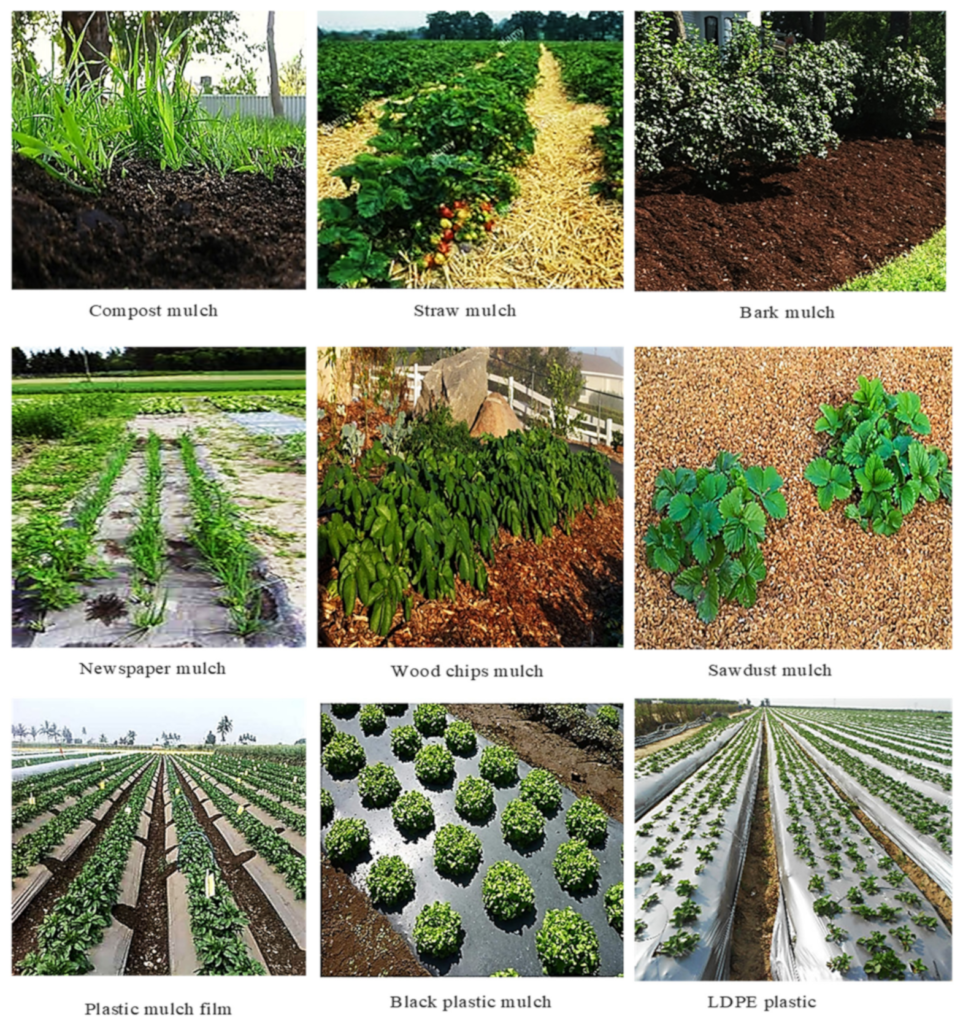
As a gardener, you’re constantly looking for ways to improve the health and appearance of your plants. One effective way to achieve this is by using mulch. Mulch helps retain moisture, suppress weeds, and regulate soil temperature. But with so many options available, it can be overwhelming to choose the right one. In this article, we’ll explore the different types of mulch, their benefits, and provide guidance on how to select the best one for your garden.
The Benefits of Mulching
Mulching is a simple yet effective way to improve soil health and plant growth. Some of the key benefits include:
- Retaining moisture: Mulch helps retain soil moisture, reducing the need for frequent watering.
- Suppressing weeds: A thick layer of mulch can prevent weeds from germinating and growing.
- Regulating soil temperature: Mulch can help regulate soil temperature, keeping it cooler in the summer and warmer in the winter.
Types of Mulch
There are several types of mulch available, each with its own unique benefits and drawbacks. Here are some of the most common types of mulch:
Organic Mulches
Organic mulches are made from natural materials such as wood chips, leaves, grass clippings, and compost.
- Wood chips: Wood chips are a popular choice for mulching because they’re inexpensive and easy to find.
- Leaves: Leaves are another common organic mulch. They’re free, nutrient-rich, and can help improve soil structure.
- Grass clippings: Grass clippings can be used as mulch, but it’s essential to dry them out first to prevent mold growth.
Synthetic Mulches
Synthetic mulches are made from man-made materials such as plastic sheets and geotextiles.
- Plastic sheets: Plastic sheets are a popular choice for mulching because they’re waterproof and can help retain moisture.
- Geotextiles: Geotextiles are a type of synthetic mulch that’s designed to improve soil stability and prevent erosion.
Mineral Mulches
Mineral mulches are made from inorganic materials such as rocks, gravel, and sand.
- Rocks: Rocks can be used as mulch because they’re durable and can help retain moisture.
- Gravel: Gravel is another common mineral mulch. It’s easy to install and can help improve soil drainage.
Living Mulches
Living mulches are made from plants that are intentionally grown as a mulch.
- Companion planting: Companion planting involves growing different plants together to create a beneficial relationship.
- Cover cropping: Cover cropping involves planting crops specifically designed to act as a mulch.
Selecting the Best Mulch for Your Garden
Choosing the right mulch for your garden can be overwhelming. Here are some factors to consider when selecting a mulch:
Availability
Consider how easy it is to obtain the mulch you want.
- Convenience: Look for mulches that are readily available at local nurseries or home improvement stores.
- Cost: Consider the cost of the mulch and whether it fits within your budget.
Effectiveness
Think about the benefits you want to achieve with your mulch.
- Weed suppression: If you’re looking to suppress weeds, consider a thick layer of organic mulch like wood chips or leaves.
- Moisture retention: If you’re looking to retain moisture, consider synthetic mulches like plastic sheets or geotextiles.
Aesthetics
Consider how the mulch will look in your garden.
- Appearance: Look for mulches that are visually appealing and won’t detract from the beauty of your plants.
- Texture: Consider the texture of the mulch and whether it will complement the other elements in your garden.
Conclusion
Choosing the right mulch for your garden can be a daunting task. However, by considering factors like availability, effectiveness, and aesthetics, you can select a mulch that meets your needs and enhances the health and beauty of your plants. Remember to always follow proper application techniques and maintain your mulch regularly to ensure its effectiveness.
FAQs
- Q: What is the best type of mulch for my garden?
A: The best type of mulch for your garden depends on several factors, including your climate, soil type, and personal preferences. Consider organic mulches like wood chips or leaves for a natural look, or synthetic mulches like plastic sheets or geotextiles for improved moisture retention. - Q: How often should I apply mulch to my garden?
A: The frequency of application depends on the type of mulch and your specific needs. For organic mulches, reapply every 2-3 years as it breaks down. For synthetic mulches, follow the manufacturer’s instructions for reapplication. - Q: Can I use mulch in cold climates?
A: Yes, you can use mulch in cold climates, but choose a type that will retain moisture and regulate soil temperature. Consider using organic mulches like wood chips or leaves, which are less likely to freeze and compact over time. - Q: How do I maintain my mulch to ensure its effectiveness?
A: Regular maintenance is essential to ensure the effectiveness of your mulch. Reapply as needed, keep the area around plants weed-free, and add new material as the old breaks down.
By following these tips and considering your specific needs, you can create a beautiful and thriving garden that benefits from the use of mulch.


