
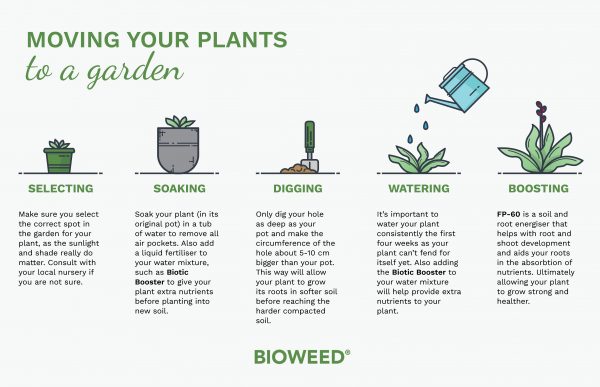
Moving a plant can be a daunting task, especially if you’re dealing with a large or mature tree. However, with the right techniques and precautions, you can successfully relocate your plant to a new location without causing damage.
Understanding the Challenges of Moving a Plant
When it comes to moving a plant, there are several factors to consider. The size and type of plant, as well as the soil quality and climate, can all impact the success of the move. Additionally, improper handling or care during the relocation process can result in root damage, leaf loss, or even death.
Getting Started: Observing the Plant’s Canopy
Before attempting to move your plant, it’s essential to observe its canopy. The canopy is the uppermost layer of leaves and branches that make up the plant’s crown. By examining the canopy, you can determine where to begin the transplanting process.
When observing the canopy, look for the following:
- The direction of sunlight: If the plant is currently receiving direct sunlight, consider moving it to a location with partial shade.
- Branch structure: Identify any branches that are dead or damaged and remove them before transplanting.
- Leaf color and texture: Take note of the overall health and condition of the leaves.
Preparing for Transplantation
When preparing for transplantation, it’s crucial to select the right tools and equipment. A sturdy shovel or spade is necessary for digging up the roots, while a soft, flexible material like burlap or twine can be used to secure the plant during transport.
Other essential items you’ll need include:
- Gloves: To protect your hands from thorns, dirt, and other debris.
- Measuring tape or rope: To measure the distance between the current location and the new one.
- Watering can or hose: To provide adequate moisture for the plant after transplantation.
- Pruning tools: To trim any dead or damaged branches before transplanting.
Transplanting a Large Tree: Challenges and Considerations
Moving a large tree requires careful planning and execution. The tree’s size and weight must be taken into account when determining the best method for relocation. If necessary, specialized equipment such as chainsaws or cranes may be required to facilitate the process.
Some things to consider when transplanting a large tree:
- Structural integrity: Make sure the roots are stable and secure before lifting the tree.
- Soil conditions: Consider the soil type and structure at the new location, ensuring it can support the tree’s weight.
- Support systems: Install temporary supports or anchors to stabilize the tree during transport.
Handling Small Trees and Shrubs
Small trees and shrubs are generally easier to relocate than larger ones. By using techniques like wrapping the plant in burlap or twine, you can protect it from damage during transport.
Some tips for handling small trees and shrubs:
- Use a shallow container: A smaller container will make it easier to handle the roots without causing damage.
- Keep the soil moist: Water the plant thoroughly before transplanting to prevent drying out during transport.
- Choose a gentle route: Avoid sudden turns or jerks, which can cause stress on the plant.
Step-by-Step Guide to Transplanting a Plant
- Observe the Canopy: Examine the plant’s canopy to determine where to begin the transplanting process.
- Dig and Prepare: Use a shovel or spade to dig up the roots, taking care not to damage them.
- Secure the Plant: Wrap the plant in burlap or twine to protect it from wind and debris during transport.
- Transplant the Plant: Carefully transfer the plant to its new location, making sure to handle the roots with care.
Tips for a Successful Transplantation
- Handle the roots gently to avoid damage.
- Water the plant thoroughly after transplantation to help it establish itself in its new environment.
- Monitor the plant’s health closely after relocation and take corrective action if necessary.
- Provide support: Install stakes or trellises to provide additional support during the first few weeks after transplanting.
Common Mistakes to Avoid
Some common mistakes to avoid when transplanting a plant include:
- Handling the roots too roughly, which can cause damage and stress to the plant.
- Not providing enough support during transport, leading to root damage or loss.
- Failing to monitor the plant’s health closely after relocation, resulting in disease or pest issues.
Frequently Asked Questions
Q: How do I know when it’s time to transplant my plant?
A: Consider factors like changes in light, temperature, or soil quality before deciding whether to transplant your plant.
Q: What is the best way to handle the roots of a large tree during transplantation?
A: Use specialized equipment like chainsaws or cranes if necessary, and always handle the roots with care.
Q: Can I transplant a plant from one container to another without damage?
A: Yes, but make sure to use caution and handle the roots gently when transferring the plant.
Q: How often should I water my newly transplanted plant?
A: Water your plant thoroughly after transplantation and continue to provide adequate moisture for several weeks to establish itself in its new environment.
Additional Considerations
When transplanting a plant, there are several additional considerations to keep in mind:
- Climate change: Be aware of changes in temperature, precipitation, or weather patterns that may impact the plant’s health.
- Soil quality: Assess the soil quality at both the current and new locations, taking into account factors like pH levels, nutrient content, and drainage.
- Pest and disease management: Inspect the plant for signs of pests or diseases before transplanting and take action if necessary.
Conclusion
Moving a plant can be a complex process, but with careful planning and attention to detail, you can successfully relocate your plant to a new location. By following these guidelines and taking the necessary precautions, you can minimize the risk of damage or stress during transplantation.
Remember to always handle the roots with care and monitor the plant’s health closely after relocation. With time and proper care, your newly transplanted plant will thrive in its new environment.


