
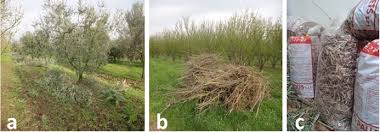
As a gardener, you know that pruning is an essential part of tree care. However, it’s not just about cutting back branches; it’s also about disposing of the resulting waste. The good news is that this waste can be turned into a valuable resource: compost.
The Problem with Pruning Waste
When you prune trees or shrubs, you’re left with a pile of rami and branches. While some people might see this as a nuisance, it’s actually an opportunity to reduce waste and create something beneficial for your garden. However, not all pruning waste is created equal. The key is to understand what happens when we dispose of it.
Why We Can’t Just Burn It
You might be tempted to burn pruning waste, but that’s not the best idea. While burning wood can produce heat and light, it also releases pollutants into the air, contributing to climate change. Moreover, many types of pruning waste are too dense or fibrous to be burned efficiently, making it a less-than-effective solution.
The Benefits of Composting Pruning Waste
So, what happens when we compost pruning waste? The answer is nothing short of miraculous. When we break down organic matter into its constituent parts, we create a nutrient-rich soil amendment that’s perfect for your garden. Here are just a few benefits:
- Improved Soil Structure: Compost can help improve the structure of your soil, making it more porous and receptive to water and air.
- Increased Nutrient Availability: As compost breaks down, it releases essential nutrients like nitrogen, phosphorus, and potassium that your plants need to thrive.
- Reduced Waste: By turning pruning waste into compost, you’re reducing the amount of organic matter that ends up in landfills.
The Science Behind Composting
Composting is a natural process that involves breaking down organic materials by microorganisms. These microorganisms feed on the carbon-rich materials like leaves and twigs, releasing nutrients as they go. The resulting compost is rich in humus, which acts as a sponge to absorb excess water and retain nutrients.
How to Compost Pruning Waste
So, how do we take pruning waste from “trash” to treasure? Here’s a step-by-step guide:
- Collect and Sort: Gather your pruning waste and sort it into different categories (e.g., twigs, branches, leaves).
- Chop or Shred: Use a saw, pruning shears, or a shredder to break down larger branches into smaller pieces.
- Mix with Other Materials: Combine the chopped wood with other compost materials like leaves, grass clippings, and food scraps.
- Add Water: Mix everything together with some water to create a cohesive pile.
- Aerate and Monitor: Every few days, turn the pile to introduce oxygen and speed up decomposition.
Tips and Tricks for Effective Composting
While composting pruning waste might seem like a straightforward process, there are some nuances to keep in mind:
- Avoid Adding Weeds: Don’t add weeds or other invasive species to your compost pile, as they can outcompete desirable plants.
- Keep it Moist: Make sure the pile is kept moist but not waterlogged; excess moisture can lead to anaerobic conditions and unpleasant odors.
- Don’t Forget to Turn: Regularly turning the pile ensures oxygen flow, which helps speed up decomposition.
Common Composting Challenges
While composting pruning waste can be a rewarding experience, there are some common challenges that gardeners face:
- Pests and Rodents: These pests can be attracted to the compost pile and cause problems.
- Odors: If the pile is not kept moist enough, it can start to smell bad.
- Lack of Time: Composting requires regular maintenance, which can be time-consuming.
Conclusion
Composting pruning waste might seem like a small step in gardening, but it’s actually a significant one. By turning this often-overlooked material into compost, you’re reducing waste, creating a valuable resource for your garden, and helping the environment. So next time you prune, don’t throw away those rami – turn them into gold!
Frequently Asked Questions (FAQs)
- What types of pruning waste can be composted?
- Twigs, branches, leaves, grass clippings
- How do I prepare pruning waste for composting?
- Chop or shred larger branches into smaller pieces
- Can I burn pruning waste instead of composting it?
- No; burning wood releases pollutants and is less effective than composting
- What are some common mistakes to avoid when composting pruning waste?
- Avoid adding weeds or other invasive species, keep the pile moist but not waterlogged, don’t forget to turn the pile regularly
- Can I use composted pruning waste as mulch or fertilizer?
- Yes; it’s an excellent way to add nutrients and improve soil structure


