
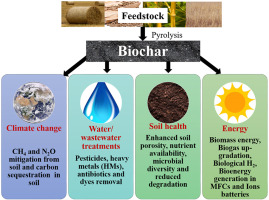
Biochar, a type of charcoal, has gained attention in recent years for its potential to reduce carbon dioxide emissions and improve soil fertility. In Italy, the use of biochar could help decrease greenhouse gas emissions by 45 million tons annually. However, the Italian government has banned the production and use of biochar due to concerns about its environmental impact.
What is Biochar and Why Should We Care?
Biochar is a type of charcoal that has been produced for centuries, but it gained significant attention in the early 2000s as a tool for mitigating climate change. The production process involves heating organic materials, such as wood or crop waste, in the absence of oxygen, resulting in a porous and stable material that can store carbon dioxide (CO2) from the atmosphere.
Biochar has several key benefits that make it an attractive solution for reducing greenhouse gas emissions:
- Long-term carbon sequestration: Biochar can store CO2 for decades or even centuries, making it a valuable tool for mitigating climate change.
- Soil improvement: Biochar can enhance soil fertility, increase crop yields, and improve ecosystem health by improving soil structure, water-holding capacity, and nutrient cycling.
- Sustainable agriculture: Biochar can be used as a natural fertilizer, reducing the need for synthetic fertilizers and minimizing environmental impacts.
The First Question: Why is Biochar Banned in Italy?
The ban on biochar in Italy raises several questions. Is it possible that the country’s legislation does not align with the latest technological advancements? Are there external pressures, economic interests, or other factors at play? While it is true that the production of biochar was not as sustainable in the past, it is essential to consider the potential benefits of this technology.
How Does Biochar Work?
Biochar acts like a sponge, absorbing and retaining CO2, nutrients, and water. This process allows for the sequestration of carbon dioxide and methane from the atmosphere, storing them in the soil instead of releasing them into the air. In essence, biochar plays a dual role: it helps mitigate climate change while serving as a sustainable fertilizer.
The Challenges of Biochar Production
While biochar has the potential to be an effective tool for reducing CO2 emissions, its production poses several challenges. Biomass is required as a source material, and this biomass must be transformed into finished products (biochar). The transformation process involves complex steps, including pyrolysis, which requires high temperatures in the absence of oxygen.
Pyrolysis: A Key Step in Biochar Production
Pyrolysis is a critical step in biochar production. However, achieving this process without significant energy expenditure poses challenges. The question remains whether the benefits of biochar outweigh the costs associated with its production.
Sustainable Biochar Production Methods
Several communities advocating for biochar’s adoption propose using agricultural waste as biomass and applying pyrolysis to produce biochar more sustainably. This approach could minimize environmental impacts by utilizing available resources efficiently.
The 1st Mediterranean Symposium on Biochar: A Platform for Discussion and Research
In January, the Minoprio Foundation will host the 1st Mediterranean Symposium on Biochar in Vertemate con Minoprio, Italy. The event aims to bring together experts from various fields to discuss recent research, advancements, and potential applications of biochar.
Key Speakers at the Symposium
The symposium features prominent speakers, including Professor Johannes Lehmann from Cornell University (USA), Professor Bruno Glaser from Halle University (Germany), soil scientist Saran Sohi from the University of Edinburgh (UK), and Professor Franco Miglietta from IBIMET-CNR in Florence (Italy).
Conclusion: Can Biochar Help Italy Reduce CO2 Emissions?
Biochar has immense potential for reducing greenhouse gas emissions, improving agricultural productivity, and promoting sustainable practices. However, its production requires careful consideration of environmental impacts. The upcoming symposium provides a unique opportunity to explore the possibilities and challenges associated with biochar and discuss ways to make this technology more accessible and environmentally friendly.
Frequently Asked Questions (FAQs)
-
What are the main concerns about biochar’s environmental impact?
Biochar production poses several environmental concerns, including the release of harmful chemicals during pyrolysis and high energy expenditure.
2. How can Italy use biochar to reduce CO2 emissions?Italy could utilize biochar by applying it to agricultural land, where it would help sequester carbon dioxide from the atmosphere.
3. Can biochar be produced sustainably?While traditional methods of biochar production have environmental drawbacks, new approaches utilizing agricultural waste and pyrolysis can make this technology more sustainable.
4. What are some potential applications of biochar beyond climate change mitigation?Biochar has been shown to improve soil fertility, increase crop yields, and enhance ecosystem health by improving soil structure, water-holding capacity, and nutrient cycling.
5. How does the Italian government’s ban on biochar affect its potential as a tool for reducing CO2 emissions?The ban on biochar in Italy hinders its development, preventing Italy from fully exploring its potential as a means of reducing carbon dioxide emissions.
6. What can be done to make biochar production more sustainable and environmentally friendly?To minimize environmental impacts, the use of agricultural waste, pyrolysis methods, and certification programs could enhance the sustainability of biochar production.
7. Can biochar replace traditional fertilizers in agriculture?While biochar has potential as a natural fertilizer, its effectiveness depends on factors such as soil type, pH levels, and crop requirements.
8. What are some future directions for research and development in the field of biochar?Future studies should focus on optimizing pyrolysis methods, improving biochar’s certification process, and exploring new applications for this technology.


