
Introduction
Grafting is a widely practiced agricultural technique used to multiply plants by joining two different plant varieties, known as the scion and rootstock. This article will delve into the world of plant grafting, exploring its history, types, benefits, and techniques.
What is Plant Grafting?
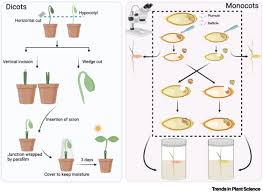
Plant grafting involves physically fusing a piece of one plant (the scion) to another plant (the rootstock). The resulting plant combines the desirable traits of both parent plants. For example, apple trees can be grafted onto rootstocks that provide disease resistance or improved growth rates.
Types of Grafting
There are several types of grafting techniques, including:
- Grafting by cutting: This method involves making a clean cut on the scion and matching it to the rootstock.
- Grafting by inlay: In this technique, the scion is inserted into the rootstock, creating a joint that can be sealed with a natural wax or resin.
- Tongue-and-groove grafting: This method involves creating a tongue-shaped cut on the scion and matching it to a corresponding groove on the rootstock.
Choosing the Right Grafting Technique
When selecting a grafting technique, consider factors such as the type of plants being grafted, their growth habits, and the desired outcome. For example, beginners may find that grafting by cutting is easier to learn and practice.
Preparing for Grafting
Before starting the grafting process, gather the necessary materials:
- Grafting knife: A sharp knife or saw is used to make clean cuts on both the scion and rootstock.
- Cutting tool: For making precise cuts, consider using a specialized cutting tool designed specifically for grafting.
The Grafting Process
Here’s an overview of the step-by-step process:
- Prepare the scion and rootstock by cleaning and disinfecting them with water or a mild soap solution.
- Make a clean cut on both the scion and rootstock using a grafting knife or cutting tool.
- Match the cuts, ensuring they are aligned properly.
- Apply wax or resin to seal the joint and promote healing.
Common Challenges
Some common challenges that may arise during the grafting process include:
- Scion failure: The scion may not attach properly, resulting in a failed graft.
- Rootstock rejection: The rootstock may reject the scion, causing it to die or fail to thrive.
Tips for Success
To increase your chances of success with plant grafting, keep the following tips in mind:
- Practice makes perfect: Grafting takes time and practice, so don’t be discouraged if you encounter setbacks.
- Choose healthy stock: Select healthy scions and rootstocks to minimize the risk of failure.
- Keep your tools sharp: Use sharp knives and cutting tools to make clean cuts that promote healing.
Common Mistakes
Here are some common mistakes to avoid when grafting:
- Not disinfecting properly: Failing to properly disinfect the scion and rootstock can lead to infection and failure.
- Making dirty cuts: Cutting the scion or rootstock with dirty tools can introduce bacteria into the joint, leading to infection.
- Forcing the graft: Trying to force the graft together can cause damage to either the scion or rootstock.
Grafting for Beginners
If you’re new to plant grafting, start by practicing with simple grafts. Here are some tips for beginners:
- Start with softwood grafting: Softwood grafting is easier than hardwood grafting and requires less technique.
- Use a rootstock with a large diameter: Using a rootstock with a larger diameter can make it easier to find a compatible scion.
- Keep your environment clean: Make sure your workspace is clean and free of debris to minimize the risk of contamination.
Grafting for Experienced Growers
If you’re an experienced grower, you may want to try more advanced grafting techniques. Here are some tips:
- Experiment with different grafting techniques: Try out different grafting techniques, such as inlay or tongue-and-groove grafting.
- Use a variety of scions and rootstocks: Experiment with different scion and rootstock combinations to find the perfect match for your plants.
- Pay attention to environmental factors: Be aware of environmental factors that can affect grafting success, such as temperature and humidity.
Conclusion
Plant grafting is a powerful technique for multiplying plants and combining desirable traits. With practice, patience, and the right techniques, anyone can become proficient in plant grafting.
Frequently Asked Questions (FAQs)
Here are some answers to common questions about plant grafting:
- Q: What are the benefits of grafting?
A: Grafting allows for the combination of desirable traits from different plants, such as disease resistance or improved growth rates. - Q: Can I graft any type of plant?
A: Some plants may not be suitable for grafting due to their growth habits, texture, or other characteristics. - Q: How do I know when a graft has failed?
A: A failed graft can result in the scion dying or failing to thrive on the rootstock. Look for signs such as yellowing leaves, droopy stems, or lack of new growth.
Grafting Resources
Here are some resources that may be helpful for those interested in plant grafting:
- Online tutorials: Watch online tutorials to learn more about the grafting process and how to overcome common challenges.
- Books on grafting: Read books on grafting to learn more about different techniques and best practices.
- Grafting communities: Join online or local communities of plant grafters to connect with others, ask questions, and share knowledge.
Conclusion
Plant grafting is a powerful technique for multiplying plants and combining desirable traits. With practice, patience, and the right techniques, anyone can become proficient in plant grafting. By following these tips and avoiding common mistakes, you can increase your chances of success with plant grafting.


