
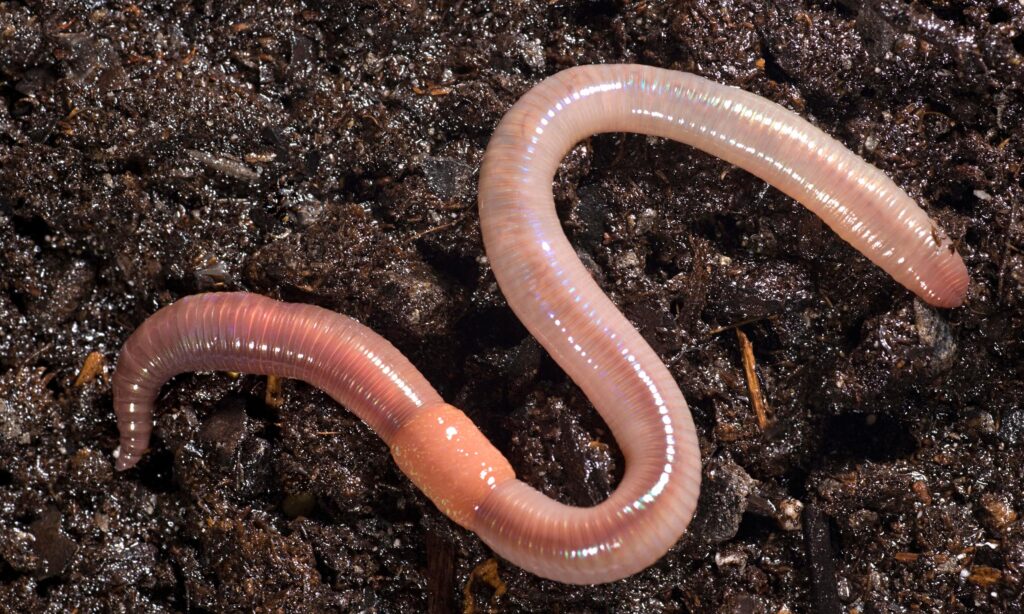
The Importance of Worms in the Soil
When it comes to the soil, there are many worms that live underground, and some of these can be a true resource for gardens! The example of worm humus is one of the most striking: its effectiveness is comparable to actual humus supplements for the soil. What we commonly call “worms” are long, slender animals with no distinct head, torso, or tail, and they’re often overlooked!
The earth can be compared to a big sandwich with multiple layers: after the top layer made of leaves and organic residues (the layer that protects the soil), there’s a decomposition layer that reaches 5 cm in thickness. It’s in this layer that most of the soil biodiversity is hidden with worms and other forms of life.
Here, we have The Soil Structure: A Multi-Layered World
- The Topmost Layer: The organic residue layer is composed of decaying plant material, such as leaves, twigs, and other organic matter. This layer serves as a protective barrier for the soil, preventing erosion and retaining moisture.
- The Decomposition Layer: Located beneath the organic residue layer, this zone is home to microorganisms that break down organic matter into nutrients. These microbes play a crucial role in cycling nutrients through the soil ecosystem.
- The Humus Layer: This rich, dark layer of humus is teeming with life and serves as a reservoir for essential minerals like nitrogen, phosphorus, and potassium. Worms and other invertebrates live deeper but also inhabit the roots of more shallow plants.
Worms: Underground Engineers
Some 4,000 kg of worms can be found in just one hectare of forest. These underground engineers are responsible for shaping the soil as they move through it, creating tunnels and burrows that aerate the ground. By doing so, they help to improve drainage and reduce soil compaction.
The Benefits of Worms in the Soil
Worms play a crucial role in maintaining healthy soil by:
- Breaking Down Organic Matter: Worms consume organic matter, breaking it down into simpler nutrients that can be absorbed by plants.
- Producing Essential Minerals: As worms move through the soil, they produce essential minerals like nitrogen, phosphorus, and potassium, which are vital for plant growth.
- Improving Soil Structure: By creating tunnels and burrows, worms aerate the ground, improving drainage and reducing soil compaction.
How Worms Affect Our Daily Lives
So, how do these tiny creatures impact our daily lives? Here are a few ways:
- Improved Soil Quality: Worms help to break down organic matter into nutrients, improving soil fertility and structure.
- Increased Crop Yields: With better soil quality, crops grow stronger and healthier, leading to increased yields.
Frequently Asked Questions
Here are some common questions about worms in the soil:
Q: What is the average lifespan of a worm?
A: The average lifespan of a worm varies depending on the species and environmental factors. Some species can live up to 5 years, while others may only survive for a few months.
Q: How do worms move through the soil?
A: Worms use their setae (bristles) to move through the soil, creating tunnels and burrows as they go.
Q: Can I raise worms in my garden?
A: Yes! Many people successfully raise worms in their gardens using compost piles or worm farms.
Q: What are some common signs of a healthy worm population?
A: A healthy worm population is characterized by:
- Increased soil moisture
- Improved soil structure and drainage
- Increased crop yields
Raising Worms in Your Garden
If you’re interested in raising worms in your garden, here are some tips to get started:
- Create a Worm-Friendly Environment: Add compost piles or worm farms to your garden, providing the perfect environment for worms to thrive.
- Maintain Optimal Conditions: Ensure that your soil is moist but not waterlogged, and maintain a consistent temperature between 15°C and 20°C (59°F-68°F).
- Monitor Worm Activity: Regularly inspect your compost piles or worm farms for signs of worm activity, such as burrows and tunnels.
Benefits of Worm Composting
Worm composting is an excellent way to utilize worms in your garden. Here are some benefits:
- Improved Soil Quality: Worm composting helps to break down organic matter into nutrients, improving soil fertility and structure.
- Increased Crop Yields: By incorporating worm compost into your garden, you can expect increased crop yields and healthier plants.
Worms in Different Ecosystems
Worms play a vital role in various ecosystems around the world. Here are some examples:
- Forest Ecosystems: In forest ecosystems, worms help to break down organic matter and recycle nutrients.
- Grassland Ecosystems: In grassland ecosystems, worms aid in maintaining soil structure and fertility.
Conclusion
Worms are fascinating creatures that play a crucial role in maintaining healthy soil. By understanding the importance of worms in the soil, we can appreciate their vital contribution to our ecosystem. Whether you’re a gardener or a scientist, it’s essential to recognize the value of these underground engineers and take steps to protect and preserve them.
Incorporating Worms into Your Garden
If you’re interested in incorporating worms into your garden, here are some tips:
- Start Small: Begin with a small worm farm or compost pile, allowing you to monitor and adjust as needed.
- Choose the Right Species: Select a species of worm that is well-suited to your climate and soil type.
- Maintain Optimal Conditions: Ensure that your soil is moist but not waterlogged, and maintain a consistent temperature between 15°C and 20°C (59°F-68°F).
By embracing the importance of worms in the soil, we can create more sustainable and resilient ecosystems for future generations to enjoy.


