
Understanding Menopause: Separating Fact from Fiction
Introduction to Menopause
As every woman at some point in her life will ask, “At what age does menopause occur, can it be delayed, and what are its effects?” This page aims to answer the most frequent doubts on the subject.
Menopause is a natural biological process that affects women of all ages. However, understanding the effects of menopause can be confusing due to various myths and misconceptions surrounding this significant life transition.
Defining Menopause
Before diving into the effects of menopause, let’s clarify some common questions:
- What age is considered menopausal?
- Can menopause be delayed?
- How does menopause impact a woman’s life?
Menopause typically occurs between 49 and 52 years old, although it can happen earlier or later in life due to various factors.
The Science Behind Menopause
So, why does menopause occur? It’s essential to understand the underlying biological mechanisms that drive this process:
- Decrease in estrogen and progesterone production
- Loss of female fertility
This decrease triggers a series of physical changes, leading to the end of menstrual cycles.
First Signs of Menopause
Some women may experience “premonitory” signs that indicate the onset of menopause. These symptoms can include:
- Irregular menstrual cycles
- Changes in menstrual intensity (heavier or lighter flow)
- Hot flashes
These initial symptoms serve as indicators that menopause is approaching.
Effects of Menopause
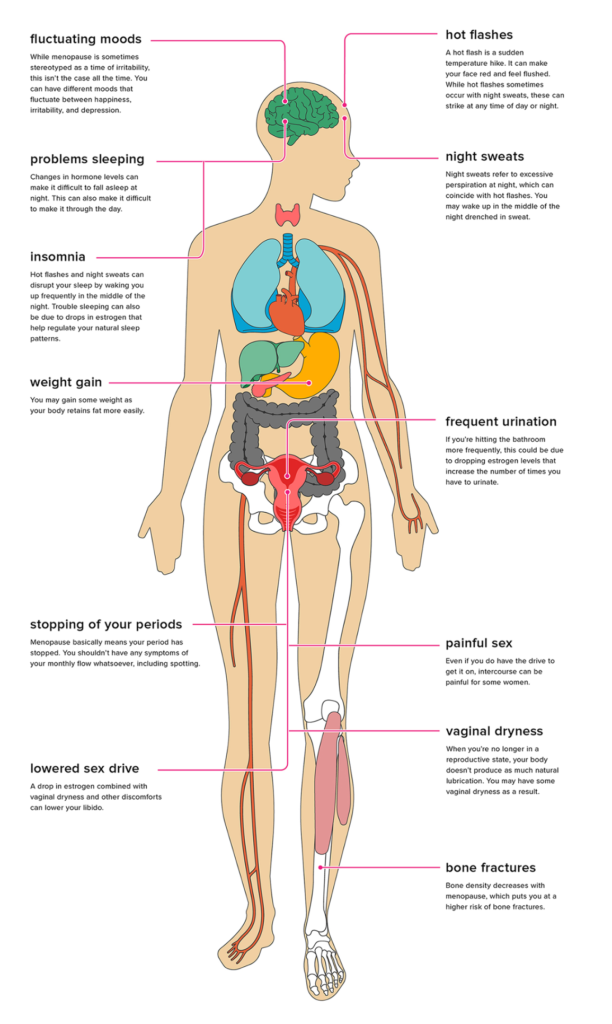
Menopause is associated with multiple physical and emotional changes, including:
- Sleep disturbances
- Mood changes
- Water retention and abdominal bloating
- Vaginal dryness
- Hot flashes (which can persist for 2-3 years)
However, it’s crucial to separate fact from fiction:
- Myth-busting: Menopause does not increase the risk of heart disease or osteoporosis.
- Reality check: While menopausal symptoms can be uncomfortable, they are not a sign of weakness.
Managing Menopause Symptoms
Menopause is a natural process that can be accepted and managed. While medical treatment may be necessary for some women, there are many ways to alleviate symptoms:
- Quitting smoking
- Avoiding caffeine
- Limiting alcohol consumption
These simple lifestyle changes can have a significant impact on hot flashes and water retention.
Exercise and Menopause
Regular exercise can help alleviate menopausal symptoms by increasing endorphins and serotonin, neurotransmitters that have a positive impact on mood and the body.
However, it’s essential to consult with a healthcare provider before starting any new exercise routine.
Natural Remedies for Menopause
While there is no conclusive evidence to support the effectiveness of homeopathic remedies, some studies suggest that using phytoestrogens may be beneficial. Discuss this with your gynecologist and explore other natural remedies that have been studied:
- Lupulin extracts (acting as calmants)
- Acupuncture
Medications for Menopause
Medications can help alleviate menopausal symptoms, but it’s crucial to consult with a healthcare provider before starting any new medication.
Some medications may be prescribed to regulate hormone levels or alleviate hot flashes.
Hormone Replacement Therapy (HRT)
HRT is often recommended to alleviate severe menopausal symptoms. However, the risks and benefits of HRT should be carefully considered:
- Risks:
- Increased risk of blood clots
- Increased risk of breast cancer
- Increased risk of endometrial cancer
- Benefits:
- Relief from hot flashes and night sweats
- Relief from vaginal dryness and pain during sex
Conclusion
Menopause is a natural biological process that affects women of all ages. While understanding the effects of menopause can be confusing, there are many ways to manage symptoms and improve overall health.
By separating fact from fiction and exploring available options, women can navigate this significant life transition with confidence.
11. FAQs
Here are some frequently asked questions about menopause:
- Q: How common is menopause?
- A: Menopause affects approximately 1 in 10 women worldwide.
- Q: Can menopause be delayed?
- A: While there is no guaranteed way to delay menopause, lifestyle changes such as quitting smoking and regular exercise can reduce the risk of premature onset.
- Q: Will I experience hot flashes forever?
- A: Hot flashes typically last for 2-3 years after menopause begins, but they may persist in some women for an extended period.
- Q: Can menopause affect my sex life?
- A: Vaginal dryness and decreased libido are common symptoms of menopause. However, there are many ways to alleviate these issues, including hormone therapy and natural remedies.
- Q: Will I gain weight during menopause?
- A: Some women may experience water retention during menopause, leading to weight gain. However, this is not a universal symptom, and lifestyle changes can help manage weight.
- Q: Can I still get pregnant after menopause?
- A: Once a woman enters menopause, she will no longer be fertile due to the decrease in estrogen and progesterone production.
- Q: How can I prepare for menopause?
- A: Consulting with a healthcare provider and making lifestyle changes such as quitting smoking and regular exercise can help alleviate symptoms and improve overall health.
- Q: Is there a cure for menopause?
- A: While there is no guaranteed “cure” for menopause, managing symptoms and improving overall health can significantly improve quality of life.
By understanding the facts about menopause and taking proactive steps to manage its effects, women can navigate this significant life transition with confidence.


