
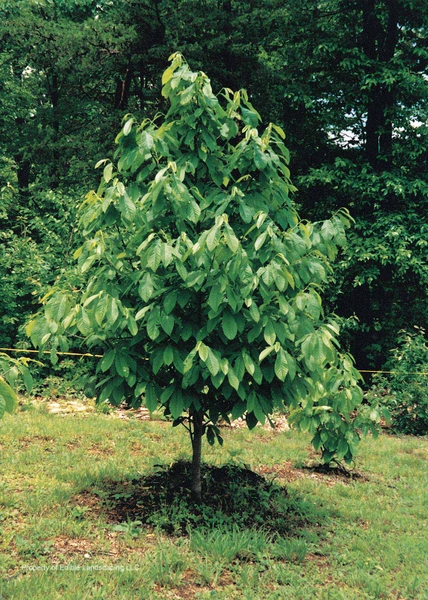
Introduction to the Asimina Triloba (Powpow or Banana of the Mountain)
Asimina triloba, commonly known as the powpow or banana of the mountain, is a small tree native to the Southeastern Canada and Eastern United States. In Italy, it can be cultivated and is widely available in nurseries. This article will explore the properties and characteristics of the Asimina triloba, focusing on its nutritional value, growth habits, and cultivation requirements.
Properties of the Fruit
The Asimina triloba produces a fruit with a soft pulp rich in nutrients. The pulp contains vitamins and minerals, including protein-rich vegetal proteins. The fruit is spherical in shape, measuring between 6 to 18 cm in length and 3 to 8 cm in width. It’s also known as the pawpaw or banana of the mountain due to its adaptability to cold temperatures.
Nutritional Properties
An analysis conducted by the Pennsylvania State University revealed the following nutritional properties of the Asimina triloba:
• Carbohydrates: 18.8g
• Fat: 1.2g
• Protein: 1.2g
• Vitamin A equivalent: 87 μg
• Thiamine: 0.01 mg
• Niacin: 1.1 mg
• Riboflavin: 0.09 mg
• Vitamin C: 18.3 mg
• Calcium: 63mg
• Magnesium: 113mg
• Iron: 7mg
• Manganese: 2.6mg
• Phosphorus: 47mg
• Potassium: 345mg
• Zinc: 0.9mg
100g of the Fruit Provides 80 Calories
The Asimina triloba is an excellent source of nutrients, making it a great addition to a healthy diet.
Cultivation and Growing Requirements
Cultivating the Asimina triloba requires careful attention to its needs. Hand-pollination or using “pollinator” attractors are often employed by farmers to ensure proper pollination. This fruit is suitable for organic farming due to its rustic nature and resistance to diseases, eliminating the need for pesticides.
Growing in Northern Italy
Despite being a tropical fruit, the Asimina triloba can be grown in northern Italy, as it’s resistant to cold temperatures. Its growth does not exceed 5 meters, making it an ideal choice for small-scale farming or home gardens.
Spacing and Varieties
When planting multiple Asimina triloba trees, it’s recommended to leave at least 2.5 meters between each tree. Due to the low number of self-fertile varieties, hand-pollination is often necessary for proper fruit production. Growing multiple varieties helps ensure proper pollination.
Growing and Caring for the Tree
The Asimina triloba is relatively easy to cultivate and requires minimal care. It thrives in soil with a pH between 5.5 and 7.5, avoiding calcareous soils. Avoid using water rich in calcium for irrigation, as this can harm the tree.
Planting and Establishing the Tree
When purchasing the Asimina triloba from a nursery, handle its roots with care to avoid damage. Plant it immediately after purchase, ensuring a well-prepared soil bed. Water thoroughly and maintain humidity during the first few weeks of establishment.
Acquiring the Tree
The best time to acquire an Asimina triloba tree is in autumn, when available at local nurseries.
Safety Precautions
Be aware that the Asimina triloba contains toxic compounds, including acetogenine. Only the fruit’s pulp is safe for consumption, while leaves, branches, and seeds are poisonous.
Health Benefits of Pawpaw Fruit
The pawpaw fruit has been found to have various health benefits due to its rich nutrient content. Some of these benefits include:
- Anti-inflammatory properties: The pawpaw fruit contains anti-inflammatory compounds that can help reduce inflammation in the body.
- Antioxidant properties: The pawpaw fruit is rich in antioxidants, which can help protect cells from damage caused by free radicals.
- Immune system support: The pawpaw fruit contains immune-boosting compounds that can help support the immune system.
Growing Pawpaws in Home Gardens
Pawpaws are a popular choice for home gardens due to their ease of growth and minimal maintenance requirements. To grow pawpaws in your home garden, follow these steps:
- Choose a location with full sun to partial shade.
- Plant the tree in well-draining soil with a pH between 5.5 and 7.5.
- Water the tree regularly, but avoid overwatering.
- Fertilize the tree annually with a balanced fertilizer.
Pawpaws in Cuisine
Pawpaws are a versatile fruit that can be used in various culinary dishes. Some popular ways to use pawpaws include:
- Fresh eating: Pawpaws can be eaten fresh, either on their own or blended into smoothies.
- Baking: Pawpaws can be used in baked goods, such as pies and cakes.
- Juicing: Pawpaws can be juiced and consumed as a healthy beverage.
Conclusion
The Asimina triloba (powpow or banana of the mountain) is a nutritious and versatile fruit that can be grown and enjoyed by anyone. Its unique characteristics, nutritional properties, and ease of growth make it an ideal choice for home gardens and small-scale farming operations. By understanding its cultivation requirements and safety precautions, you can enjoy this tropical fruit in your own garden or home.


