
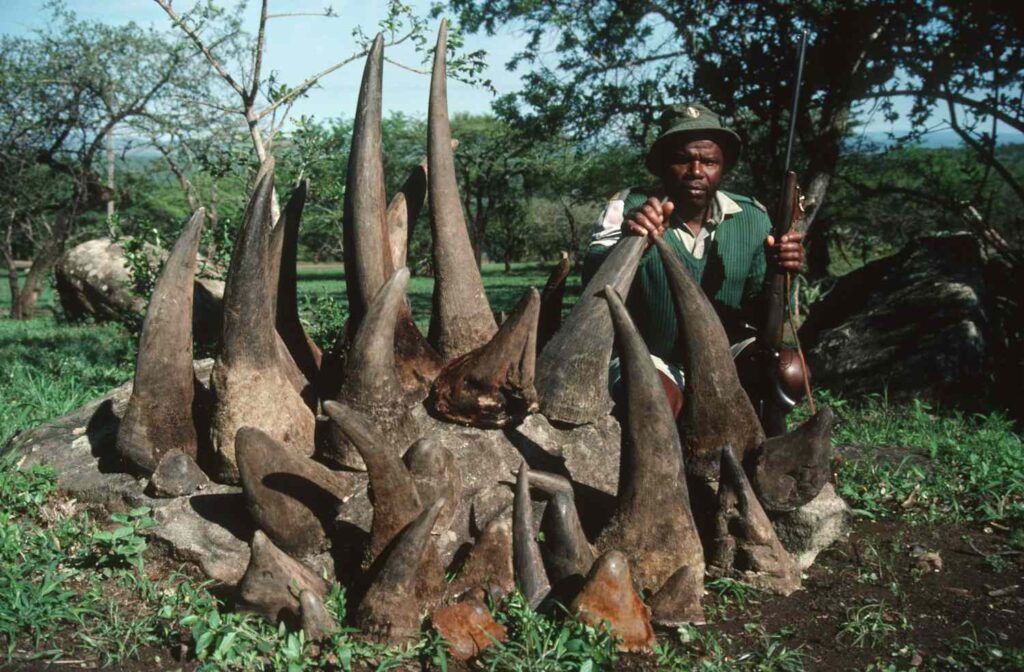
Bracconage is not just about hunting large animals like elephants and rhinos; it also involves the persecution of smaller creatures that often go unnoticed in the media. These motivations vary, sometimes driven by gastronomic interests or the desire to obtain valuable materials such as ivory or fur. Bracconage encompasses both hunting and fishing, with instances recorded on every continent, making it a global phenomenon.
The Evolution of Bracconage
Bracconage did not exist in its current form from the beginning; it has evolved over time due to changes in human relationships with animals. Historically, humans were part of a delicate balance within the ecosystem as predators. However, this balance shifted over time, leading to significant alterations.
From an organizational standpoint, societies underwent shifts such as the emergence of private tribal property and the dominance of monarchs during the medieval period. These rulers took control of wildlife, depriving the common folk of an essential source of sustenance.
The introduction of reserve systems by the Franks marked the official beginning of bracconage in legal frameworks. More recent regulations from the 1990s recognized the state’s ownership of wildlife and specified that only those with proper licenses could hunt.
Bracconage: Hunting
Regulations attempt to clarify instances of prohibited hunting, aiming to prevent offenders from exploiting loopholes. Certain practices are forbidden, including:
- Invasive hunting within protected areas: This includes hunting in national parks, wildlife reserves, or other protected areas without the necessary permits.
- Unlicensed or out-of-season hunting: This refers to individuals who hunt without proper licenses or during restricted periods.
- Use of unauthorized equipment, such as high-powered rifles: The use of equipment that is not approved for hunting can lead to severe penalties.
These regulations are designed to ensure that no one can “slip through the cracks” and exploit legal ambiguities.
Bracconage: Birds
While hunting is a significant concern, bracconage also affects birds. Specific examples include:
- Prohibited hunting of protected species, such as those listed under the Bern Convention: This includes hunting birds that are protected by international agreements.
- Illicit capture and detention of wildlife: This involves capturing and holding birds against their will for purposes like sale or display.
- Use of illegal methods, like nets, traps, or prohibited weapons: These methods are banned because they cause unnecessary harm to birds.
These activities are punishable by law.
Recent Cases: The Case of Cardellini
In a recent case in May, Italian authorities collaborated with WWF to conduct an anti-bracconage operation at Torre del Greco. The operation resulted in the discovery of hundreds of birds that were not supposed to be present in the area. These birds belonged to protected species and could not be sold according to international agreements.
The cardellini is a bird known for its delightful song, appreciated by poets and writers alike. Its beauty also makes it highly sought after.
Anti-Bracconage Efforts
While bracconage exists, there are also anti-bracconage efforts in place. These include:
- Legislation, which aims to combat the practice: Laws and regulations can be used to restrict activities that contribute to bracconage.
- Community organizations, such as those focused on environmental protection: These groups collaborate with law enforcement agencies to monitor and prevent wildlife poaching.
These efforts are crucial in combating bracconage, but they also highlight the need for continued awareness and education about this issue.
Conclusion
Bracconage is a significant issue that affects both large animals like elephants and smaller creatures like birds. Its significance lies not only in its ecological impact but also in its social and economic implications. Understanding bracconage requires knowledge of human relationships with wildlife, the evolution of hunting practices, and the efforts to combat this practice.
While there are many people working together to protect our environment and wildlife, it is crucial to address the root causes of bracconage, such as gastronomic interests and the desire for valuable materials like ivory or fur. By doing so, we can work towards a future where humans coexist with wildlife in harmony and respect for their rights.
Additional Considerations
- Cultural significance: Bracconage is often deeply ingrained in certain cultures, making it challenging to combat. It is essential to understand the cultural context behind bracconage practices.
- Economic implications: The economic benefits of bracconage can make it difficult for governments to implement effective regulations.
- Education and awareness: Educating people about the harm caused by bracconage can help change attitudes and behaviors.
By addressing these additional considerations, we can gain a more comprehensive understanding of bracconage and its implications.


