
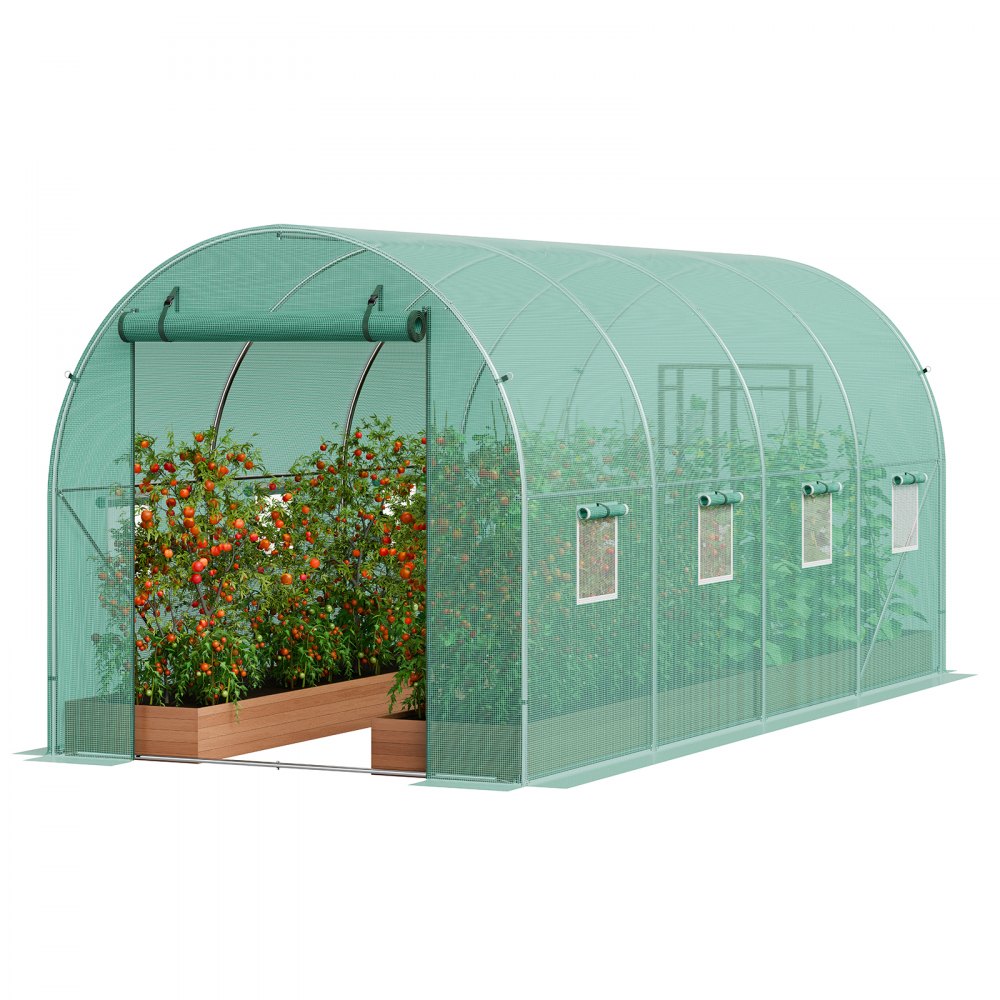
Tunnel greenhouses, also known as serra tunnels, are structures used to grow “protected crops” where temperature is modified by direct sunlight heating using the greenhouse effect. This innovative technology has been gaining popularity in recent years due to its effectiveness in extending the growing season for a wide range of plants.
What is a Tunnel Greenhouse?
A tunnel greenhouse is an enclosed space built specifically to protect plants from cold weather. It utilizes transparent plastic covers that allow solar rays to be absorbed by plants and the greenhouse cover, trapping them inside and raising temperatures. The result is a stable and optimal environment for plant growth, regardless of external temperature fluctuations.
The concept of tunnel greenhouses has been around for several decades, but recent advancements in materials science and design have made them more accessible and affordable for gardeners and farmers alike. Tunnel greenhouses offer a unique solution for those who want to extend their growing season, protect their crops from harsh weather conditions, and increase crop yields.
Types of Tunnel Greenhouses
There are various types of tunnel greenhouses available in the market, each with its own set of benefits and drawbacks. The main types of tunnel greenhouses include:
- Fixed tunnel greenhouses: These are permanent structures made of metal or plastic. They provide maximum protection from external weather conditions but require a larger space and can be more expensive.
- Mobile tunnel greenhouses: These can be easily moved or relocated, making them ideal for gardeners who want to relocate their plants to different areas depending on the season.
- Rollable tunnel greenhouses: These have removable covers for easy transportation and storage. They are perfect for gardeners who need to store their equipment during the winter months.
Choosing the Right Tunnel Greenhouse
When selecting a tunnel greenhouse, consider its size, material, and features. For large areas, it’s recommended to opt for a permanent structure. However, smaller spaces can benefit from mobile or rollable tunnels.
- Size: Consider the space available in your garden or yard when choosing a tunnel greenhouse. Make sure it fits comfortably and allows enough room for plants to grow.
- Material: Choose a material that is durable, weather-resistant, and easy to clean. Metal or plastic are popular options due to their durability and low maintenance requirements.
- Features: Consider additional features such as ventilation systems, irrigation systems, and shelving to create an optimal growing environment.
DIY Tunnel Greenhouses: A Cost-Effective Option
For those with small plots of land, building a DIY tunnel greenhouse can be an affordable alternative. Materials like metal wire, arches, and wooden stakes can be used to create a functional structure.
- Benefits: Building a DIY tunnel greenhouse offers several benefits, including cost-effectiveness, flexibility, and the ability to customize your structure to meet specific needs.
- Challenges: However, building a DIY tunnel greenhouse also comes with challenges, such as limited space, limited materials, and the need for manual labor.
Towel vs. Greenhouse: Which is Best for Your Needs?
While towel covers provide temporary protection from cold weather, they have limitations. Towel covers are suitable for short-term use (2-3 weeks) but may not be effective for longer periods. On the other hand, tunnel greenhouses offer long-term solutions and can last throughout the winter season or even beyond.
- Benefits: Tunnel greenhouses provide a stable and optimal environment for plant growth, regardless of external temperature fluctuations.
- Challenges: However, tunnel greenhouses also come with challenges such as higher costs, limited space, and the need for manual labor to maintain them.
Conclusion
In conclusion, tunnel greenhouses provide a versatile solution for gardeners to grow protected crops in cold weather. With various types of tunnels available, choosing the right one depends on your specific needs and space constraints.
By understanding the benefits and drawbacks of different types of tunnel greenhouses, gardeners can make informed decisions when selecting the best option for their needs. Whether you choose a fixed, mobile, or rollable tunnel greenhouse, the key to success lies in creating an optimal growing environment that meets the unique requirements of your plants.
FAQs
- Q: What is the purpose of a tunnel greenhouse?
A: A tunnel greenhouse is used to protect plants from cold weather by modifying temperature using direct sunlight heating. - Q: How do I choose the right tunnel greenhouse for my needs?
A: Consider your space constraints, budget, and specific growing requirements when selecting a tunnel greenhouse. - Q: Can I build a DIY tunnel greenhouse?
A: Yes, building a DIY tunnel greenhouse can be an affordable alternative using materials like metal wire, arches, and wooden stakes. - Q: How long do towel covers last?
A: Towel covers are suitable for short-term use (2-3 weeks) but may not be effective for longer periods. - Q: Can tunnel greenhouses be used for all types of plants?
A: Tunnel greenhouses can be used to grow a wide range of plants, including vegetables, fruits, and flowers. - Q: How much does a tunnel greenhouse cost?
A: The price of a tunnel greenhouse depends on its dimensions, model, and features, ranging from affordable DIY options to more expensive permanent structures. - Q: Can I move a mobile tunnel greenhouse?
A: Yes, mobile tunnel greenhouses can be easily moved or relocated as needed. - Q: How do I maintain my tunnel greenhouse?
A: Regularly clean and inspect your tunnel greenhouse to ensure optimal performance and plant health.
By following this guide, you’ll be well on your way to understanding the benefits of tunnel greenhouses and choosing the right one for your specific needs.


