
The Benefits of Dwarf Boxwood: A Comprehensive Guide to Planting, Pruning, and Pest Management
Introduction
Dwarf boxwood (Buxus sempervirens pumila) is a compact form of the traditional boxwood tree (Buxus sempervirens). It’s characterized by its small size, slow growth rate, and ability to thrive in partial shade. The dwarf variety is available in two main types: Buxus sempervirens pumila and Buxus rutundifolia. Both are ideal for topiaries, hedges, and borders. In this article, we’ll explore the benefits of dwarf boxwood, how to plant and care for it, and provide tips on pruning and managing pests.
Benefits of Dwarf Boxwood
Dwarf boxwood offers several benefits that make it an attractive choice for gardeners:
- Low Maintenance: With its slow growth rate, dwarf boxwood requires minimal pruning and care.
- Compact Size: Perfect for small gardens or spaces with limited room for large trees.
- Evergreen: Boxwood retains its leaves year-round, providing a lush, green appearance even in winter.
- Versatile: Use it as a hedge, border, topiary, or specimen tree.
Choosing the Right Variety
When selecting a dwarf boxwood variety, consider the following factors:
- Growth Rate: Buxus sempervirens pumila has a slower growth rate than Buxus rutundifolia.
- Leaf Color: Buxus sempervirens pumila has smaller leaves with a bluish-green color, while Buxus rutundifolia has larger leaves with a more traditional boxwood green color.
- Size: Buxus sempervirens pumila is generally smaller than Buxus rutundifolia.
Planting Dwarf Boxwood
To plant dwarf boxwood successfully:
- Choose a location with partial shade and well-draining soil.
- Plant the potted shrub 6-7 feet apart to ensure proper growth and air circulation.
- Water regularly during its first year of growth.
Tips for Planting Dwarf Boxwood
- Soil pH: Boxwood prefers a slightly acidic to neutral soil pH (around 6.0-7.0).
- Sunlight: Boxwood requires partial shade, especially in warmer climates.
- Watering: Water regularly during the first year of growth, and then reduce watering as needed.
Pruning Dwarf Boxwood
Regular pruning is essential for maintaining your dwarf boxwood’s shape and promoting healthy growth:
- Prune in late June or early September, removing any dead, diseased, or damaged branches.
- Use clean tools to prevent spreading diseases.
- Trim the shrub back to maintain its desired size.
Tips for Pruning Dwarf Boxwood
- Pruning Tools: Use sharp, clean pruning shears and loppers to make clean cuts.
- Pruning Techniques: Prune in a way that promotes air circulation and encourages healthy growth.
- Deadheading: Remove any dead or diseased flowers to maintain the shrub’s appearance.
Common Pests and Diseases
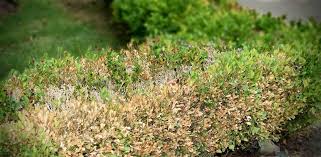
While dwarf boxwood is relatively pest- and disease-free, there are a few common issues to watch out for:
- Piralide: A caterpillar that can cause significant damage. Use Bacillus Thuringiensis-based products to control infestations.
- Cecidomia: A fungal disease that can be treated with fungicides and good garden hygiene practices.
Managing Pests and Diseases
To manage pests and diseases, follow these tips:
- Inspect Regularly: Regularly inspect your shrub for signs of infestation or disease.
- Use Organic Methods: Use organic methods to control pests and diseases whenever possible.
- Consult a Professional: If you’re unsure about how to manage a pest or disease, consult a professional for advice.
Conclusion
Dwarf boxwood is an excellent choice for gardeners looking for a low-maintenance, versatile evergreen tree. With proper care and pruning, it can add beauty and structure to any space. By following the tips and guidelines outlined in this article, you’ll be well on your way to growing a healthy and thriving dwarf boxwood.
Frequently Asked Questions
- How often should I prune my dwarf boxwood?: Prune your dwarf boxwood every 6-12 months, or as needed.
- What is the best fertilizer for dwarf boxwood?: Use a balanced, slow-release fertilizer to promote healthy growth.
- Can I grow dwarf boxwood in full sun?: While dwarf boxwood can tolerate some sun, it prefers partial shade. Avoid direct sunlight for at least 4 hours a day.
- How often should I water my dwarf boxwood?: Water your shrub regularly during its first year of growth, and then reduce watering as needed.
- Can I grow dwarf boxwood in containers?: Yes, but make sure the container is at least 12 inches deep to accommodate the shrub’s root system.
By following these tips and guidelines, you’ll be able to successfully grow a healthy and thriving dwarf boxwood.


