
Introduction
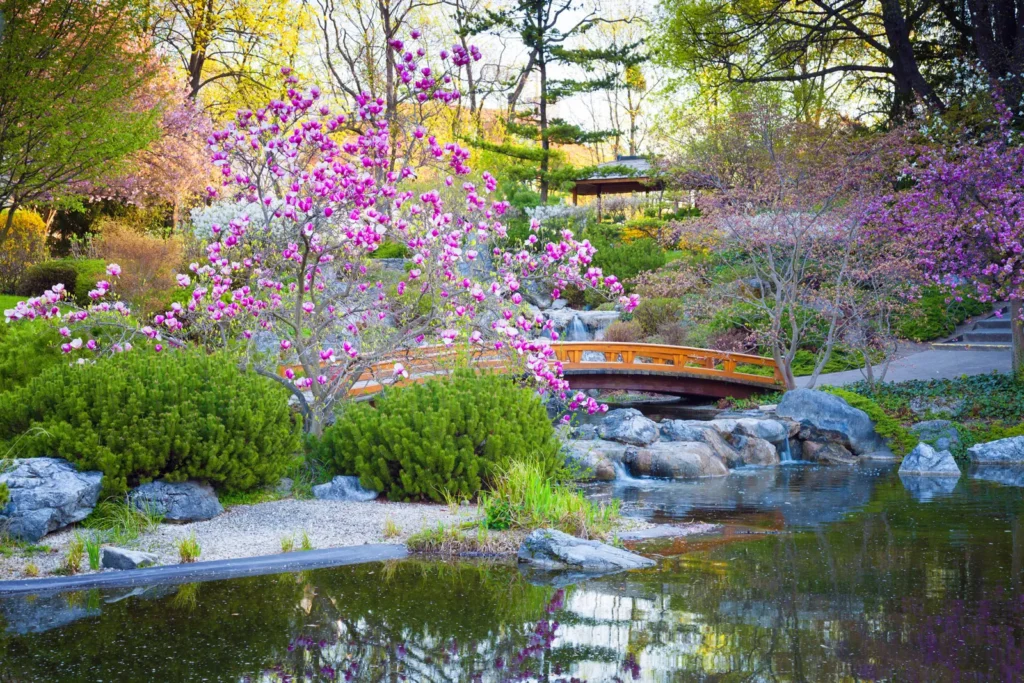
Imagine a serene oasis in the midst of a bustling city, where nature and human creativity blend seamlessly together. This is the essence of Japanese gardening, an ancient art form that embodies balance, harmony, and beauty. In this article, we’ll delve into the world of Japanese gardens, exploring their history, principles, and practical tips for creating your own tranquil retreat.
The Philosophy Behind Japanese Gardening
Japanese gardens are more than just a collection of plants and stones; they’re a reflection of the human spirit’s quest for balance and harmony. The garden is seen as a microcosm of life, where elements such as nature, art, and spirituality intersect. By carefully selecting and arranging plants, rocks, and other features, Japanese gardeners aim to create a sense of equilibrium and tranquility.
The concept of “wabi-sabi” is central to Japanese gardening philosophy. Wabi-sabi refers to the acceptance and appreciation of imperfection and impermanence in nature. This mindset encourages gardeners to focus on the natural beauty of the elements, rather than trying to control or manipulate them.
Principles of Japanese Gardening
Before designing and building your own Japanese garden, it’s essential to understand the underlying principles. Any element within the garden must have a specific meaning or purpose. Plants are not just decorative; they’re chosen for their relationship with other elements in the garden. For example, a small tree may be placed at the entrance to create a sense of welcome, while a flowering shrub near the pathway can provide a burst of color and fragrance.
Choosing the Right Plants
Japanese gardens often feature plants that are carefully selected for their symbolic meanings or practical uses. Some popular choices include:
- Bonsai trees: These miniature trees require regular pruning to maintain their shape and promote healthy growth.
- Grasses: Japanese grasses, such as pampas grass, add texture and movement to the garden.
- Shrubs: Flowering shrubs like cherry blossoms and azaleas are popular choices for their vibrant colors and fragrances.
Rockwork and Water Features
Rocks and water features play a crucial role in creating a harmonious and contemplative atmosphere. Rocks are chosen for their shape, color, and texture, while water features can add soothing sounds and visual interest to the garden.
- Sculptural rocks: Rocks that resemble natural forms or have intricate carvings can create a sense of drama and surprise.
- Ponds and fountains: Water features can be used to create a peaceful ambiance, but choose designs that are simple and unobtrusive.
Creating a Japanese Garden in Your Home
While a full-sized Japanese garden may not be feasible for every home or space, you can still incorporate the principles and elements into your indoor or outdoor retreat. Here are some tips:
- Start small: Begin with a few key plants and decorative elements to create a focal point.
- Choose low-maintenance plants: Select plants that thrive in indoor conditions, such as succulents and air plants.
- Incorporate natural materials: Use natural materials like wood, stone, and bamboo to create a warm and inviting atmosphere.
Japanese Garden Styles
There are several Japanese garden styles to explore, each with its unique characteristics and principles. Some popular styles include:
- Zen gardens: These minimalist gardens emphasize simplicity and the harmony of nature.
- Traditional gardens: These gardens often feature more elaborate designs and intricate carvings.
- Modern gardens: These gardens incorporate contemporary materials and designs while still embracing traditional Japanese principles.
Tips for Building a Japanese Garden
If you’re considering building your own Japanese garden, here are some additional tips to keep in mind:
- Use natural materials: Choose materials that are sustainable and eco-friendly, such as reclaimed wood or stone.
- Consider the climate: Select plants that are adapted to your local climate and soil type.
- Create a focal point: Use a statement piece, such as a large rock or water feature, to create visual interest.
Conclusion
Japanese gardening is an art form that embodies balance, harmony, and beauty. By understanding its principles and incorporating key elements into your own garden or home space, you can create a tranquil oasis that brings serenity and joy to your life. Whether you’re a seasoned gardener or just starting out, the world of Japanese gardening has something to offer.
Frequently Asked Questions
- What is the most important principle in Japanese gardening?
The most important principle in Japanese gardening is balance and harmony. All elements within the garden must work together to create a sense of equilibrium and tranquility. - How do I choose the right plants for my Japanese garden?
Choose plants that have symbolic meanings or practical uses, such as bonsai trees or flowering shrubs. Consider factors like climate, soil type, and maintenance requirements when selecting plants. - What is the role of rocks in a Japanese garden?
Rocks are used to create visual interest, add texture, and provide a focal point for the garden. Choose rocks that have symbolic meanings or interesting shapes and textures. - Can I create a Japanese garden in my home without an outdoor space?
Yes! You can incorporate elements of Japanese gardening into your indoor or outdoor space, such as using natural materials, incorporating plants with symbolic meanings, and creating a focal point with decorative elements. - How do I create a peaceful ambiance in my Japanese garden?
To create a peaceful ambiance in your Japanese garden, focus on simplicity, minimalism, and the use of natural materials. Use water features, sculptures, or other design elements to add visual interest and soothing sounds. - What are some popular Japanese gardening styles?
Popular Japanese gardening styles include Zen gardens, traditional gardens, and modern gardens. Each style has its unique characteristics and principles, but all share a common emphasis on balance, harmony, and beauty. - Can I incorporate other cultural influences into my Japanese garden?
While traditional Japanese gardening styles are rooted in Shintoism and Zen Buddhism, you can certainly incorporate other cultural influences into your design. However, be mindful of the importance of simplicity and minimalism in traditional Japanese gardens. - How do I maintain a Japanese garden?
To maintain a Japanese garden, focus on regular pruning, watering, and fertilization for plants. Also, use natural materials like wood, stone, and bamboo to create a warm and inviting atmosphere.
Japanese gardening is an art form that transcends time and space. By embracing its principles and incorporating its elements into your own life, you can cultivate a deeper sense of balance, harmony, and beauty in your world.


