
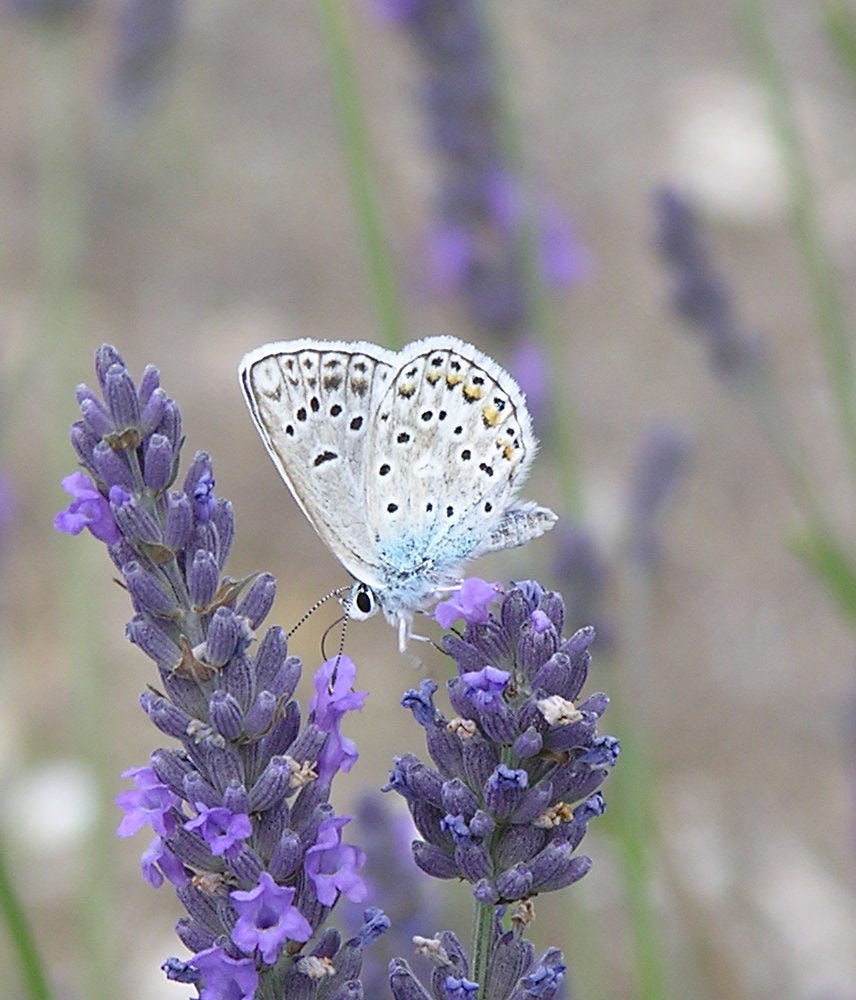
Lavender is a beautiful, fragrant flower with numerous uses in natural remedies, cosmetics, and even medicine. For centuries, lavender has been prized for its calming properties, versatility, and beauty. In this article, we will explore the many uses of lavender, from growing and harvesting to its applications in aromatherapy, cosmetics, and herbalism.
Why Grow Your Own Lavender?
Growing your own lavender is easy and versatile. It’s a hardy, simple plant that requires minimal care and can be cultivated in gardens or pots, balconies, or patios. Be sure not to overwater it, as it dislikes stagnant water! With its ability to thrive in full sun, lavender is an ideal addition to any garden.
Growing your own lavender also allows you to harvest the flowers at their peak freshness, ensuring that they retain their potency and fragrance. This can be particularly beneficial for those who use dried lavender in potpourri or sachets.
In addition to its practical uses, growing lavender can also have a profound impact on the environment. Lavender attracts a variety of beneficial insects like bees, butterflies, and ladybugs, which can help pollinate other plants and maintain ecological balance.
When to Harvest Lavender
Lavender flowers bloom in the spring and summer months, making them available for harvesting throughout this time period. To encourage healthy growth and prevent pests, regular pruning is recommended.
To determine when to harvest your lavender, look for the following signs:
- The buds are a light purple color
- The petals are fully open
- The stems are dry and brittle
Harvesting lavender can be done in several ways. You can cut off the entire stem at the base of the plant, or simply snip off individual blooms as they fade.
Pruning Your Lavender Plant
To keep your lavender plant healthy and thriving, learn how to prune it properly:
- Learn how to cultivate lavender in a balcony
- Read our guide on cultivating lavender
When pruning your lavender plant, be sure to follow these guidelines:
- Prune the stems back to about 6 inches from the ground after they finish blooming to encourage new growth
- Cut off any dead or damaged branches to prevent disease and pests
- Use sharp, clean tools to avoid spreading disease
By pruning your lavender plant regularly, you can promote healthy growth, prevent pests, and ensure that it continues to bloom beautifully.
The Power of Lavender
Lavender is highly valued for its unique properties. In traditional medicine and herbalism, it’s renowned for containing Linalool, a calming substance that soothes headaches and stress.
In addition to its medicinal properties, lavender has also been used in aromatherapy for centuries. The oil extracted from the flower is said to promote relaxation, reduce anxiety, and improve sleep quality.
Cosmetic Uses
In cosmetics, lavender oil is prized for balancing greasy hair and maintaining healthy scalp health. Add a few drops to your regular shampoo for a boost!
Lavender oil can also be used in skincare products to soothe irritations, calm inflammation, and promote healthy skin.
Antimicrobial Properties
Lavender essential oil boasts remarkable disinfectant properties. Discover more about the benefits of lavender and how to use it effectively: Lavender Essential Oil
Aromatherapy
In aromatherapy, lavender oil is recommended for diffusing in the environment during relaxing baths or showers.
To create a calming bath experience, try adding a few drops of lavender essential oil to your bath water before soaking. The relaxing properties of the oil can help promote deep relaxation and reduce stress.
Natural Cleaning Products
Thanks to its antimicrobial properties, you can create your own natural cleaning products using lavender essential oil. Find out more: Natural Cleaning with Lavender
In addition to its antimicrobial properties, lavender is also known for its deodorizing abilities. You can use it to naturally freshen carpets, upholstery, and other fabrics.
Lavender Tea
In herbalism, lavender tea is a popular remedy for stress and insomnia. To make it, combine:
- 300ml of boiling water
- 20g of dried melissa flowers
- 10g of chamomile flowers
- 30g of lavender flowers
Steep the mixture in boiling water for about 10 minutes and strain.
Drying Lavender
Lavender can easily be dried in the sun. Create sachets from dried lavender and use them to naturally fragrance small spaces like bathrooms, closets, or drawers.
To dry your lavender, follow these steps:
- Tie the stems of fresh lavender flowers together in small bunches
- Hang the bunches upside down in a warm, sunny spot
- Allow the lavender to air-dry completely before storing it in airtight containers
Tips for Using Lavender
When using lavender in your home or garden, be sure to follow these tips:
- Use dried lavender in potpourri or sachets to naturally fragrance small spaces
- Add a few drops of lavender essential oil to your bath water for a relaxing soak
- Incorporate lavender into your skincare routine by adding it to your shampoo or using it as a natural moisturizer
- Create natural cleaning products using lavender essential oil
By incorporating lavender into your daily life, you can experience its numerous benefits and enjoy the beauty and versatility of this beautiful flower.
Conclusion
Lavender is a versatile and beautiful flower with numerous uses in natural remedies, cosmetics, and even medicine. By growing your own lavender, harvesting its flowers at their peak freshness, and using it in various applications, you can reap the many rewards of this incredible plant.
From its calming properties to its antimicrobial abilities, lavender is a true treasure that deserves to be cherished and respected. So next time you’re looking for a natural solution to stress, anxiety, or insomnia, consider turning to the beauty and versatility of lavender.


