
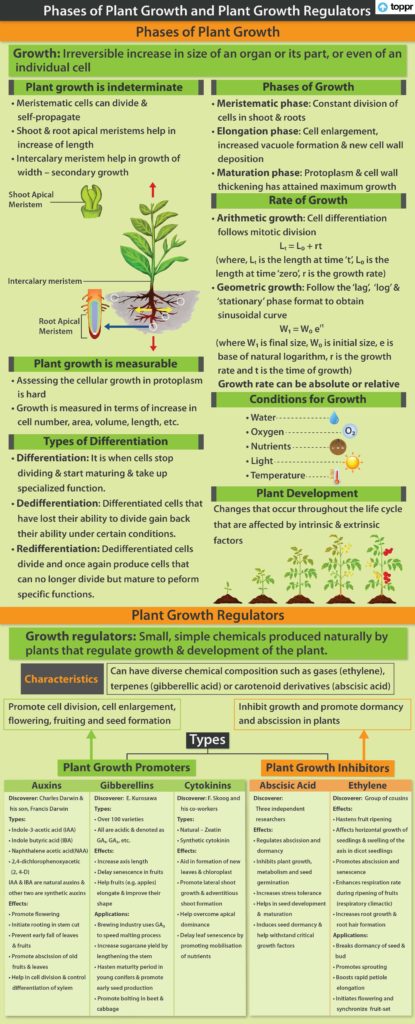
As we explored the realm of phytohormones and phyto cosmetics, it’s time to delve into the fascinating world of plant regulators. While fitofarmacosies focus on cosmetics, plant regulators are a different story altogether. In this article, we’ll uncover what plant regulators are, their role in agriculture, and how they can benefit your crops.
What Are Plant Regulators?
Plant regulators are organic compounds that modify certain physiological processes in plants. These substances work at low concentrations, eliminating the need for high doses to achieve desired results. There are various types of plant regulators, some of which are naturally present in plants, while others are synthesized through specific processes and exhibit similar effects.
History of Plant Regulators
The study of plant regulators began in the early 20th century, when scientists discovered that certain substances could influence plant growth and development. Since then, numerous research studies have been conducted to understand the mechanisms by which these compounds work and their potential applications in agriculture.
Plant Regulators in Agriculture
Agriculture is where plant regulators find widespread application, as they help control key processes that affect crop growth. I’ll focus primarily on synthetic regulators, which stimulate various processes like germination, growth, root development, and flowering. These treatments can improve fruit production, maturation, senescence, and abscission in crops such as tomatoes, peppers, cucumbers, melons, and strawberries.
Types of Plant Regulators
There are several types of plant regulators, each with its unique mechanism of action:
- Auxins: These are a class of plant hormones that play a crucial role in cell elongation and division. Synthetic auxins can be used to stimulate root growth, improve fruit set, and enhance overall plant development.
- Cytokinins: Cytokinins promote cell division and differentiation, leading to enhanced growth rates and increased yields. They are commonly used to regulate stem elongation, leaf expansion, and flower formation.
- Gibberellins: Gibberellins stimulate seed germination, root development, and stem elongation. They can also be used to improve fruit maturation and senescence.
- Ethylene: Ethylene is a plant hormone involved in fruit ripening, senescence, and abscission. Synthetic ethylene can be applied to enhance fruit quality and promote flowering.
Applications of Plant Regulators
Plant regulators have numerous applications in agriculture, including:
- Seed Treatment: Seed treatments containing auxins or cytokinins can improve germination rates, seedling establishment, and root development.
- Fruit Ripening: Ethylene-producing products can enhance fruit quality and promote ripening, reducing the need for artificial ripening agents.
- Flowering Promotion: Synthetic regulators containing florigens or other flowering promoters can stimulate flower formation, improving pollination rates and fruit set.
- Root Development: Plant regulators containing auxins or cytokinins can improve root development, leading to improved water uptake and nutrient acquisition.
Product Examples of Plant Regulators
There are numerous products available for agriculture, including synthetic auxins, cytokinins, gibberellins, and ethylene. The ENERGIL 100 A is an example of a plant regulator that enhances fruit production and maturation in tomatoes, peppers, cucumbers, melons, strawberries, asparagus, spinach, broccoli, cauliflower, carrots, radishes, zucchini, eggplants, olives, and grapevines.
Plant Regulators for Tomato Cultivation
Tomatoes are one of the most commonly treated crops with plant regulators. The allegants used to promote fruit set and maturation in greenhouses are particularly effective. These include CPA (chlorophenossipropionic acid), NAA (naftalenic acid), MNTP (metetil-lftalmic acid), and NOA (betanaphthoacetic acid). When applied as sprays, these substances can promote fruit development while minimizing side effects.
Plant Regulators for Fruit Maturation
Fruit maturation is another area where plant regulators play a significant role. The pethephon is an effective product that accelerates fruit ripening in fruits such as melons and peppers. This treatment can also enhance the quality of fruits, allowing for earlier harvesting. Other products, like those containing salicylic acid or florigen, can stimulate ethylene production and promote fruit development.
Plant Regulators for Nursery Plants
Nursery plants often rely on plant regulators to facilitate root growth, flowering, and overall development. Auxins, such as iba (indolbutirric acid) and naa (naftalenic acid), are commonly used to stimulate root development in seedlings. In contrast, ethylene-producing products can promote flowering in potted plants. Brachyzone regulators also play a crucial role in controlling plant height, allowing for more compact or dwarf varieties.
Plant Regulators vs. Biostimulants
While both plant regulators and biostimulants aim to enhance plant growth, they differ significantly in their composition and function. Biostimulants are natural substances that promote plant growth when applied at low concentrations, often with minimal environmental impact. Examples of biostimulants include yeast extracts, bacterial cultures, and plant growth-promoting microorganisms (PGPMs). These substances can improve nutrient uptake, stress tolerance, and overall plant health.
Comparison of Plant Regulators and Biostimulants
| Plant Regulators | Biostimulants | |
|---|---|---|
| Composition | Synthetic or natural compounds | Natural substances (e.g., yeast extracts) |
| Function | Modify physiological processes | Promote plant growth at low concentrations |
| Application Rate | High doses required for desired effects | Low doses required for beneficial effects |
| Environmental Impact | Can have significant environmental impact if not used properly | Generally considered safe and environmentally friendly |
Conclusion
Plant regulators are a vital tool in agriculture, offering numerous benefits for crop development and quality. By understanding the various types of plant regulators and their applications, you can unlock their potential to enhance your yields and promote sustainable agricultural practices.
Frequently Asked Questions (FAQs)
- What is the difference between plant regulators and biostimulants?
Plant regulators are synthetic substances that modify physiological processes in plants, while biostimulants are natural substances that promote growth when applied at low concentrations. - How do plant regulators work?
Plant regulators can stimulate various biological processes, such as germination, growth, flowering, and fruit development, by interacting with plant cells and promoting hormone production. - What types of crops benefit from plant regulators?
Tomatoes, peppers, cucumbers, melons, strawberries, asparagus, spinach, broccoli, cauliflower, carrots, radishes, zucchini, eggplants, olives, and grapevines are some examples of crops that can be treated with plant regulators. - What are the benefits of using plant regulators in agriculture?
Plant regulators can improve crop yields, fruit quality, stress tolerance, and overall plant health, ultimately enhancing agricultural productivity and sustainability. - Can I use plant regulators in my home garden or greenhouse?
Yes, plant regulators can be applied to a variety of crops grown in gardens, greenhouses, or indoor containers, but it’s essential to follow recommended application rates and guidelines for specific products. - How do I choose the right plant regulator for my crop?
Consider factors like crop type, growth stage, desired outcomes, and product formulation when selecting a plant regulator. Always follow label instructions and consult with experts if necessary. - Are plant regulators safe for human consumption or animal feed?
Most plant regulators are intended for agricultural use only, but some products may be approved for food production under specific regulations. It’s crucial to verify the product’s intended use before application.


