
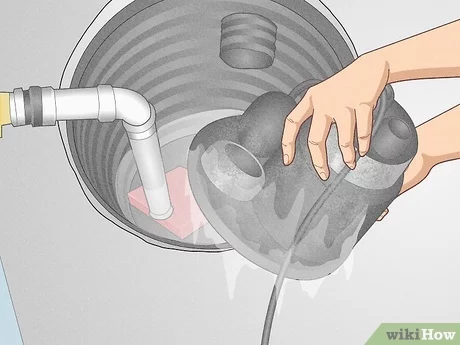
What is a Sump?
A sump, also known as a protein skimmer or refugium, is a crucial component of an aquarium. It serves as a filter for the tank’s water, removing debris, waste products, and excess nutrients that can harm your aquatic life.
A sump is typically located at the bottom of the tank and contains various components such as filters, biological media, and protein skimmers that work together to maintain optimal water quality. Regular maintenance of your sump is essential to ensure the health and well-being of your fish. A dirty sump can lead to poor water quality, decreased oxygen levels, and increased risk of disease among your aquatic friends.
Why Regularly Clean Your Sump?
Regular cleaning of your sump is crucial for maintaining good water quality in your aquarium. Here are some reasons why:
- Removes waste products: A dirty sump can harbor bacteria, parasites, and other microorganisms that can harm your fish.
- Maintains oxygen levels: A well-maintained sump ensures adequate oxygen supply to the tank’s inhabitants.
- Prevents algae growth: Regular cleaning of the sump helps prevent algae from growing on the glass walls or other surfaces.
The Importance of Cleaning Your Sump
A clean sump is crucial for maintaining good water quality in your aquarium. Here are some additional reasons why:
- Promotes healthy biological filtration: A well-maintained sump ensures optimal biological filtration, which is essential for removing waste products and excess nutrients from the tank’s water.
- Helps prevent disease outbreaks: Regular cleaning of the sump helps prevent disease outbreaks by removing pathogens and other microorganisms that can harm your fish.
- Maintains water clarity: A clean sump ensures optimal water clarity, which is essential for maintaining a healthy and thriving aquatic environment.
How to Clean Your Sump
Cleaning your sump is a relatively straightforward process that requires some basic tools and equipment. Here’s a step-by-step guide:
Tools and Equipment Needed
- A good quality siphon or pump
- A magnetic strainer (optional)
- A small net
- A scrub brush
- Baking soda (optional)
Step 1: Remove Debris from the Sump
Begin by removing any debris, such as food particles or waste, from the sump using a magnetic strainer or a small net. This will help prevent clogging of the pump and ensure optimal filtration.
Step 2: Check and Replace Filter Media
Check the filter media, such as resins or biological filters, for signs of wear and tear. If necessary, replace them with new ones to ensure optimal filtration. Regular replacement of filter media is essential for maintaining good water quality in your aquarium.
Step 3: Clean the Sump Tray
Use a scrub brush to clean the sump tray, removing any stubborn stains or debris. This will help prevent algae growth and maintain optimal water clarity.
Step 4: Rinse the Sump Tray
Rinse the sump tray thoroughly with dechlorinated water to remove any remaining debris or cleaning solution. This will help maintain optimal water quality and prevent stagnation.
Step 5: Replace Water in the Sump
Replace the water in the sump with fresh, dechlorinated water. This will help maintain optimal water quality and prevent stagnation.
Additional Tips
- Regularly clean your sump every week to prevent buildup of waste products. This is especially important for aquariums with high bioload or for fish that are prone to disease.
- Consider using baking soda to remove stubborn stains or odors from the sump tray. Baking soda is a natural cleaner and can help eliminate unpleasant odors in the sump.
- Always refer to your aquarium’s manufacturer instructions for specific cleaning recommendations. Different manufacturers may have unique cleaning requirements, so it’s essential to follow their guidelines.
By following these steps and maintaining regular cleaning schedule, you can ensure a healthy and thriving aquatic environment for yourself.


