
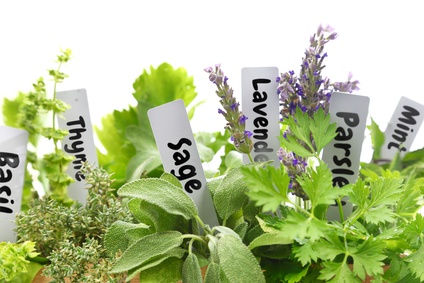
As we walk through the garden or stroll through a market, our senses are often greeted by the inviting aroma of fragrant plants. These aromatic plants have been a staple in many cultures for centuries, and their use extends far beyond just adding flavor to our dishes. In this article, we’ll delve into the wonderful world of aromatic plants, exploring their history, benefits, uses, and popular varieties.
What are Aromatic Plants?
Aromatic plants are species of vegetation that emit a pleasant scent when crushed, bruised, or heated. These plants have been used for culinary, medicinal, and spiritual purposes across various cultures. With over 1,000 known varieties, aromatic plants can be found in almost every corner of the globe.
The Benefits of Aromatic Plants
Aromatic plants are not only a delight to our senses but also offer numerous health benefits. They are rich in:
- Fibers
- Vitamins (such as A, C, and E)
- Minerals (like calcium, iron, and potassium)
- Antioxidants
- Anti-inflammatory properties
Some aromatic plants are even low in fat and high in essential nutrients like calcium, iron, and vitamins.
History of Aromatic Plants
Aromatic plants have been used for centuries in various cultures for their medicinal, culinary, and spiritual properties. The ancient Egyptians, Greeks, and Romans used aromatic plants in their daily lives, from cooking to perfumery. Today, we still use these plants in many ways, from adding flavor to our dishes to creating natural remedies.
Uses of Aromatic Plants
Aromatic plants are incredibly versatile and can be used in a variety of ways:
- Culinary: Adding herbs like basil, rosemary, and thyme to our favorite recipes
- Medicinal: Creating natural remedies for common ailments like colds and coughs
- Spiritual: Using essential oils from plants like lavender and chamomile for relaxation and stress relief
- Industrial: Producing perfumes, soaps, and other household products
Popular Varieties of Aromatic Plants
Here’s a list of some popular aromatic plants commonly found in Italian kitchens and gardens:
- Basil
- Mint
- Lemon balm
- Chamomile
- Lavender
- Cinnamon
- Cloves
- Allspice
- Ginger
- Rosemary
- Thyme
- Sage
- Bay leaves
- Nutmeg
- Cardamom
- Star anise
- Fennel
- Dill
Gardening Your Own Aromatic Plants
If you’re interested in growing your own aromatic plants, here are some tips:
- Choose a variety that suits your climate and soil type
- Plant them in well-draining soil with plenty of sunlight
- Water them regularly, but avoid overwatering
- Prune them regularly to encourage new growth
Some popular herbs for beginners include basil, mint, rosemary, thyme, and oregano. These plants are easy to grow and can be used in a variety of dishes.
Common Aromatic Plants Used in Cooking
Here are some common aromatic plants used in cooking:
- Basil: adds flavor to pasta sauces, pizza, and salads
- Mint: pairs well with lamb, chicken, and fish
- Lemon balm: adds a citrusy flavor to desserts and drinks
- Rosemary: uses it to season meats, vegetables, and breads
- Thyme: used in soups, stews, and roasted meats
Medicinal Uses of Aromatic Plants
Aromatic plants have been used for centuries to treat various health issues. Here are some medicinal uses of aromatic plants:
- Calming effects: lavender, chamomile, and valerian root can help with anxiety and insomnia
- Pain relief: peppermint, ginger, and eucalyptus can be used to relieve pain and inflammation
- Digestive issues: fennel, dill, and licorice root can be used to treat digestive problems
- Respiratory issues: eucalyptus, thyme, and sage can help with colds and coughs
Spiritual Uses of Aromatic Plants
Aromatic plants have been used for centuries in spiritual practices. Here are some spiritual uses of aromatic plants:
- Meditation: lavender, chamomile, and bergamot essential oils can promote relaxation and calmness
- Rituals: sage, sweetgrass, and cedarwood can be used to purify and protect a space
- Anointing oils: rosemary, thyme, and mint can be used to anoint the body for spiritual protection
Industrial Uses of Aromatic Plants
Aromatic plants are also used in various industries:
- Perfumery: essential oils from plants like lavender, chamomile, and bergamot are used in perfumes
- Soap making: aromatic plants like rosemary, thyme, and mint can be added to soap recipes
- Cleaning products: eucalyptus and tea tree oil can be used to create natural cleaning products
Conclusion
Aromatic plants have been a part of human culture for centuries, offering numerous benefits and uses. From adding flavor to our dishes to creating natural remedies, these plants are incredibly versatile. Whether you’re a seasoned gardener or just starting out, incorporating aromatic plants into your life can be a wonderful way to connect with nature and improve your overall well-being.
Frequently Asked Questions
- What is the most widely used aromatic plant?
The most widely used aromatic plant is coffee! - How do I use aromatics in cooking?
You can add fresh or dried herbs like basil, rosemary, and thyme to soups, stews, salads, and sauces. - Are aromatic plants safe for everyone to use?
Not all aromatic plants are safe for everyone to use. Some may cause allergic reactions or interact with medications. Consult a healthcare professional before using any new plant-based remedy. - Can I grow my own aromatic plants indoors?
Yes! Many aromatic plants can be grown indoors, provided they receive enough sunlight and water. - How do I harvest aromatic plants?
Harvest aromatic plants at the peak of freshness for best flavor and aroma. Dry or freeze them to preserve their potency. - Can aromatic plants help with stress relief?
Yes! Many aromatic plants, like lavender and chamomile, have a calming effect on the mind and body. - How do I store aromatic plants?
Store dried aromatic plants in airtight containers to preserve their flavor and aroma.
Additional Tips for Growing Aromatic Plants
- Keep your garden well-maintained: regularly prune, water, and fertilize your plants
- Learn about companion planting: some plants can help improve growth and health when grown together
- Consider using organic gardening methods: avoid using synthetic pesticides and fertilizers
- Join a local gardening community: share knowledge and experiences with other gardeners


