
What are Red Blood Cells?
Red blood cells (RBCs) are an essential component of our bloodstream, responsible for transporting oxygen to our body’s tissues. They contain hemoglobin, a protein that gives them their characteristic red color. Approximately 40% of the volume of our blood is made up of RBCs.
Normal Red Blood Cell Values
It’s crucial to note that normal values can vary depending on individual factors. A simple blood test can help identify if you have low RBCs or anemia. The normal range for RBC count in men is 4.4-6.0 x 10^12/L, while for women, it’s 4.0-5.3 x 10^12/L.
What Does a Low Red Blood Cell Count Indicate?
A low RBC count can be an indicator of various health issues, such as:
- Anemia
- Loss of blood due to ulcers or internal bleeding
- Nutritional deficiencies (especially iron, folate, and vitamin B12)
- Bone marrow problems or chronic inflammation
- Kidney disease
Causes of Low Red Blood Cell Count
Some common causes of low RBC count include:
- Insufficient oxygen supply to the body’s tissues
- Increased volume of red blood cells
- Thalassemia (a genetic disorder affecting hemoglobin production)
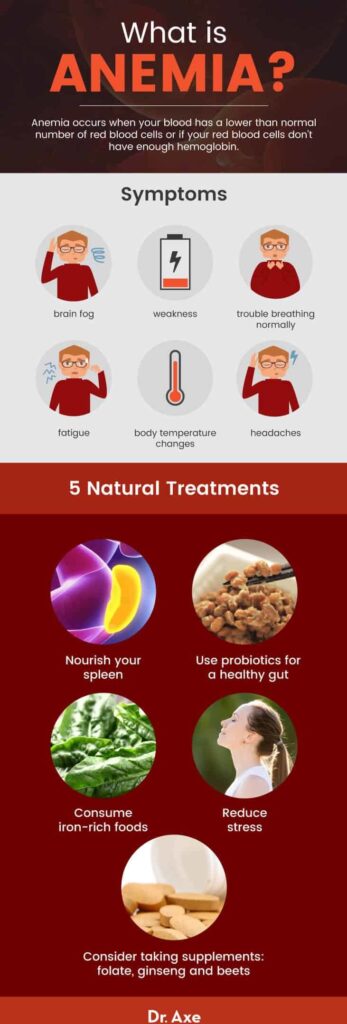
- Anemia (a condition characterized by a lack of healthy red blood cells)
Symptoms of Low Red Blood Cell Count
If you have a low RBC count, you may experience:
- Fatigue and weakness
- Pale skin
- Rapid heartbeat
- Dizziness or lightheadedness
What to Do if You Have Low Red Blood Cells?
If you’re diagnosed with a low RBC count, it’s essential to work with your healthcare provider to address the underlying cause. In some cases, dietary changes can help alleviate symptoms:
- Reduce caffeine and alcohol consumption
- Eat foods rich in vitamin B12, folate, iron, and vitamin A
- Engage in regular physical activity, especially outdoor activities
Erythrocytes in Urine: What Does it Mean?
If you notice red blood cells (erythrocytes) in your urine, it’s essential to investigate the cause. This can be a sign of various conditions, including:
- Kidney problems
- Coagulation disorders
- Certain cancers or infections
Conclusion
Low RBC count can be a symptom of an underlying health issue. By understanding the causes and symptoms, you can work with your healthcare provider to address the problem and make necessary lifestyle changes.
Frequently Asked Questions (FAQs)
- Q: Can low red blood cell count be caused by genetics?
A: Yes, genetic disorders like thalassemia can increase the risk of developing a low RBC count. - Q: What is the difference between anemia and low RBC count?
A: Anemia is a condition characterized by a lack of healthy red blood cells, while a low RBC count may be caused by various factors. - Q: How can I prevent low red blood cell count?
A: Maintaining a balanced diet rich in essential nutrients, staying hydrated, and engaging in regular physical activity can help prevent low RBC count. - Q: Can low RBC count be treated with medication?
A: Treatment depends on the underlying cause of the low RBC count. Medication may be prescribed to address related conditions or alleviate symptoms. - Q: Is it possible to cure low red blood cell count?
A: In some cases, a low RBC count can be a permanent condition. However, with proper treatment and lifestyle changes, symptoms can be managed. - Q: Can low RBC count affect fertility?
A: Yes, in women, anemia or low RBC count can impact fertility due to reduced oxygen delivery to the reproductive organs. - Q: How common is low red blood cell count?
A: Low RBC count is relatively rare, but it can be a symptom of various underlying conditions. - Q: Can low RBC count be related to other health issues?
A: Yes, low RBC count can be associated with other health problems, such as kidney disease or chronic inflammation.
Additional Factors to Consider
In addition to the causes and symptoms mentioned above, it’s essential to consider the following factors when assessing your risk for low red blood cell count:
- Age: Low RBC count is more common in older adults.
- Sex: Women are more likely to develop anemia due to menstrual losses.
- Body weight: A lower body mass index (BMI) may increase the risk of anemia.
- Lifestyle habits: Smoking, excessive alcohol consumption, and lack of exercise can all contribute to low RBC count.
Dietary Changes for Low Red Blood Cell Count
In addition to reducing caffeine and alcohol consumption, incorporating the following dietary changes can help alleviate symptoms:
- Iron-rich foods: Include iron-rich foods like red meat, poultry, fish, beans, lentils, and fortified cereals in your diet.
- Folate-rich foods: Eat folate-rich foods like dark leafy greens, legumes, citrus fruits, and whole grains.
- Vitamin B12-rich foods: Consume vitamin B12-rich foods like animal products, fish, eggs, and dairy products.
Physical Activity for Low Red Blood Cell Count
Regular physical activity can help alleviate symptoms of low RBC count by:
- Increasing red blood cell production
- Enhancing oxygen delivery to tissues
- Improving overall cardiovascular health
Engage in moderate-intensity exercise, such as brisk walking, cycling, or swimming, for at least 30 minutes per day.
Supplements for Low Red Blood Cell Count
In some cases, supplements may be recommended to address deficiencies. Some common supplements include:
- Iron supplements
- Folate supplements
- Vitamin B12 supplements
However, always consult with your healthcare provider before taking any supplements, as they can interact with medications or exacerbate underlying conditions.
Conclusion
Low RBC count is a symptom of an underlying health issue that requires attention. By understanding the causes and symptoms, you can work with your healthcare provider to address the problem and make necessary lifestyle changes. Remember to consider additional factors like age, sex, body weight, and lifestyle habits when assessing your risk for low red blood cell count. Dietary changes, physical activity, and supplements may also be recommended to alleviate symptoms.
References
- American Red Cross. (2020). Anemia.
- Mayo Clinic. (2020). Low red blood cell count.
- MedlinePlus. (2020). Red Blood Cell Count.
- National Institutes of Health. (2020). Iron Deficiency Anemia.
Please note that this article provides general information and is not intended to replace professional medical advice. If you have concerns about your red blood cell count, consult with your healthcare provider for personalized guidance.


