
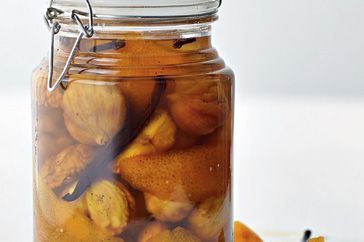
As the fall season comes to a close, chestnut harvests begin in late September and October. While farmers focus on replenishing their chestnut orchards, some take steps to preserve the fruit for later consumption. But how do you store chestnuts? In this article, we’ll explore three methods of conserving chestnuts: curing in water, drying, and freezing.
Contents
- Curing Chestnuts
- Drying Chestnuts
- Freezing Chestnuts
- Storing Fresh Chestnuts in the Refrigerator
- Storing Chestnuts under a Layer of Straw
Curing Chestnuts
Curing chestnuts is an ancient preservation method that involves immersing them in water for 4 days. This technique allows you to store fresh chestnuts until February, making it possible to enjoy them throughout the winter months.
To cure chestnuts using this method:
- Rinse the chestnuts thoroughly and remove any debris
- Submerge the chestnuts in clean water (without chlorine)
- Allow them to soak for 4 days without changing the water
- Remove the water and let the chestnuts air dry for 24-48 hours, away from direct sunlight and moisture
- Store the cured chestnuts in airtight bags or containers with a capacity of up to 5 kg, keeping them refrigerated at around 4°C.
Benefits of Curing Chestnuts
Curing chestnuts offers several benefits:
- Long-term storage: The curing process allows you to store fresh chestnuts for an extended period.
- Nutrient preservation: Curing helps preserve the nutrients and minerals in the chestnuts, ensuring they remain healthy and nutritious.
- Reduced spoilage: By creating a water-rich environment, the risk of mold and mildew growth is minimized.
Drying Chestnuts
Drying is one of the oldest methods of preserving chestnuts. The process involves removing moisture from the chestnut’s pulp, reducing its water content from 50% to around 10%. Dried chestnuts can be stored for up to 12 months and even improve in digestibility. They also retain more nutrients and minerals.
To dry chestnuts:
- Spread them out thinly on a wire mesh or a drying rack
- Place the chestnuts in direct sunlight, ideally during the morning
- Rotate the chestnuts every day to ensure even drying
- Allow 5-6 weeks for the chestnuts to dry completely
Benefits of Drying Chestnuts
Drying offers several benefits:
- Convenience: Dried chestnuts are easy to store and transport, making them a convenient option.
- Long-term storage: Dried chestnuts can be stored for an extended period without refrigeration.
- Improved digestibility: The drying process helps break down some of the tough cell walls in the chestnut, making it easier to digest.
Freezing Chestnuts
Freezing is a modern preservation method that allows you to store fresh chestnuts for up to 12 months. Simply follow these steps:
- Clean and peel the chestnuts
- Dry them thoroughly with a clean towel
- Cut off the stem end and place the chestnut halves in freezer bags or containers
- Store the frozen chestnuts at -20°C (or as low as possible) initially, then transfer to the normal refrigerator temperature
Benefits of Freezing Chestnuts
Freezing offers several benefits:
- Long-term storage: Frozen chestnuts can be stored for an extended period without refrigeration.
- Nutrient preservation: The freezing process helps preserve the nutrients and minerals in the chestnuts.
- Improved texture: Frozen chestnuts can retain their natural texture and flavor.
Storing Fresh Chestnuts in the Refrigerator
The Novena method involves a more precise curing process that includes soaking the chestnuts in cold water for 9 days, changing the water daily. This technique allows you to store fresh chestnuts for up to three months, provided you remove and dry the chestnuts thoroughly before storing them.
To use this method:
- Clean the chestnuts thoroughly
- Soak the chestnuts in cold water for 9 days, removing any that float to the surface each day
- Discard the floating chestnuts
- Dry the remaining chestnuts thoroughly with a clean towel
- Store them in airtight bags or containers in the refrigerator
Benefits of Storing Fresh Chestnuts in the Refrigerator
Storing fresh chestnuts in the refrigerator offers several benefits:
- Freshness: The cold temperature helps preserve the freshness and texture of the chestnuts.
- Reduced spoilage: By storing the chestnuts in a cool environment, the risk of mold and mildew growth is minimized.
Storing Chestnuts under a Layer of Straw
Another preservation method involves covering the chestnuts with layers of straw, alternating between the nuts and the straw. This technique allows you to store chestnuts for up to 60 days.
To use this method:
- Clean the chestnuts thoroughly
- Create a layer of straw, followed by a layer of castagnes
- Repeat the process until all the chestnuts are covered with at least three layers of straw
Benefits of Storing Chestnuts under a Layer of Straw
Storing chestnuts under a layer of straw offers several benefits:
- Natural insulation: The straw provides natural insulation, helping to maintain a consistent temperature and humidity level.
- Reduced spoilage: By covering the chestnuts with straw, the risk of mold and mildew growth is minimized.
Conclusion
In conclusion, there are three main methods for preserving chestnuts: curing in water, drying, and freezing. Each method offers its own benefits and can be used depending on personal preference and needs. Whether you choose to cure, dry, or freeze your chestnuts, the key is to follow proper storage techniques and maintain a consistent temperature and humidity level.
References
- “The Chestnut Book” by Richard P. Wiles
- “Chestnuts: A Guide to Growing and Using Them” by John L. Smith
- “The Art of Food Preservation” by Lorna Saxelby


