
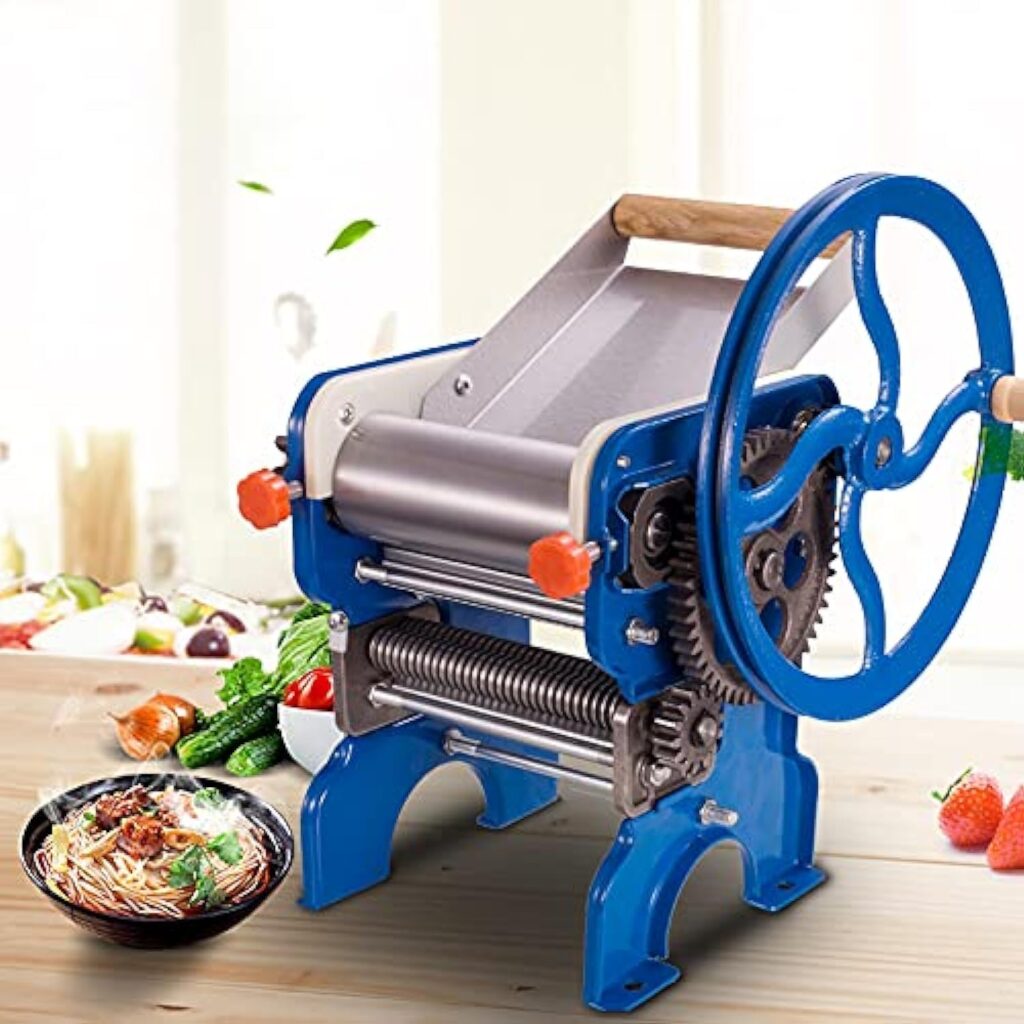
Making fresh pasta at home has become increasingly popular among cooks and food enthusiasts. With the right equipment, you can create delicious, homemade pasta with ease. In this comprehensive guide, we’ll explore the different types of pasta makers available, including manual and electric models, and provide guidance on how to choose the best one for your needs.
Top Brands for Pasta Makers
When it comes to choosing a pasta maker, there are several top brands to consider. These include:
- Impreia: Known for their high-quality pasta makers that offer durability and ease of use.
- Marcato: Another popular brand that offers a range of pasta makers, including manual and electric models.
- Gefu: A well-respected brand that offers pasta makers with a focus on quality and performance.
Manual vs Electric: Which is Right for You?
So, which type of pasta maker should you choose? The answer depends on your usage habits. If you plan to make pasta frequently, an electric model may be the better choice. However, if you only make pasta sporadically, a manual model may be sufficient.
Key Considerations When Choosing a Pasta Maker
Before making a decision, consider the following factors:
- Durability: Look for a machine that is built to last and can withstand regular use.
- Ease of use: Choose a machine that is easy to operate and requires minimal maintenance.
- Price: Consider your budget and choose a machine that meets your needs at a price that works for you.
The Benefits of Electric Pasta Makers
Electric pasta makers offer several benefits, including:
- Convenience: No need to manually turn the handle or wait for the machine to finish kneading the dough.
- Speed: Electric machines can knead the dough faster than manual models.
- Consistency: Electric machines provide consistent results and can help to eliminate unevenness in the pasta.
The Drawbacks of Manual Pasta Makers
While manual pasta makers may seem like a more affordable option, they have several drawbacks:
- Time-consuming: Manual machines require manual turning of the handle, which can be time-consuming.
- Strain: Kneading the dough by hand can be physically demanding and lead to strain.
- Inconsistent results: Manual machines can produce inconsistent results, especially for those who are new to making pasta.
The Benefits of Converting a Manual Pasta Maker to Electric
Converting a manual pasta maker to electric can be a cost-effective option. However, there are some things to consider:
- Stability: Electric converters may affect the stability of the machine and lead to vibration or wobbling.
- Maintenance: Electric machines require more maintenance than manual models and may need regular cleaning.
Our Top Picks for Pasta Makers
Based on our research and testing, here are our top picks for pasta makers:
- Impreia 700 Electric Pasta Maker: A high-quality electric machine that offers durability and ease of use. ($174.99)
- Titania 190 Imperia Manual Pasta Maker: A manual model that is easy to use and provides consistent results. ($31.37)
Pasta Makers for Professionals
If you’re a professional chef or restaurateur, you may be looking for a high-end pasta maker that can meet your specific needs. Look for machines with features such as:
- Cucinators
- Dryers
- Sfogliatrici
These machines are designed to make large quantities of pasta and can provide consistent results.
Tips for Using a Pasta Maker
To get the most out of your pasta maker, follow these tips:
- Use high-quality ingredients: Fresh eggs, flour, and salt will result in better-tasting pasta.
- Keep the machine clean: Regular cleaning is essential to prevent the buildup of gluten and other debris in the machine.
- Practice makes perfect: Don’t be discouraged if your first batches don’t turn out perfectly. With practice, you’ll get the hang of it.
Common Mistakes to Avoid
To avoid common mistakes when using a pasta maker, follow these tips:
- Don’t overmix the dough: Overmixing can lead to tough, dense pasta.
- Use the right type of flour: Different types of flour will affect the texture and taste of your pasta.
- Don’t skip the kneading process: Kneading is essential for developing gluten in the dough.
Conclusion
Making fresh pasta at home has never been easier, thanks to the wide range of pasta makers available. By considering your usage habits, durability, ease of use, and price, you can choose the best machine for your needs. Whether you prefer a manual or electric model, there’s a pasta maker out there that will meet your requirements.
FAQs
- What is the difference between a manual and electric pasta maker?
A manual pasta maker requires manual turning of the handle to knead the dough, while an electric machine does this automatically. - How often should I clean my pasta maker?
Regular cleaning is important to prevent the buildup of gluten and other debris in the machine. - Can I convert a manual pasta maker to electric?
Yes, but be aware that conversion may affect the stability and performance of the machine. - What are some common features to look for in a pasta maker?
Durability, ease of use, price, and consistency of results are all important factors to consider when choosing a pasta maker. - How do I store my pasta maker?
Proper storage is essential to prevent damage to the machine. Look for a designated storage area or use a protective case. - Can I make gluten-free pasta with an electric pasta maker?
Yes, but you may need to adjust the recipe and cooking time accordingly. - How long does it take to learn how to use a pasta maker?
It may take some practice to get the hang of using a pasta maker, but most machines come with instructions and tutorials to help you get started. - Can I make fresh pasta in bulk with an electric pasta maker?
Yes, many electric pasta makers can handle large quantities of dough and produce consistent results.
By following this guide, you’ll be well on your way to creating delicious, homemade pasta that will impress even the most discerning palates. Whether you’re a seasoned chef or just starting out, we hope this comprehensive guide has provided you with the knowledge and inspiration you need to get started.


