
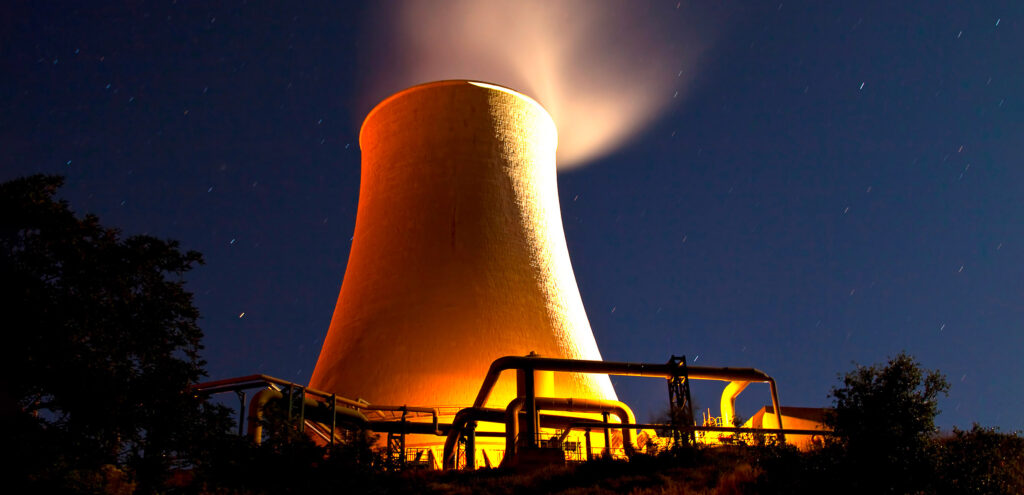
The Italian energy landscape is lagging behind, with geothermal energy being one of the least-valued sources. However, a new project in Ferrara aims to change this narrative and showcase the potential of geothermal energy for a more sustainable future.
A Glimpse into Italy’s Geothermal Ambitions
Italy has been slowly exploring its geothermal potential over the years. A notable example is the Deep Drilling Project in the Campi Flegrei, which started a few years ago but unfortunately never materialized. Nevertheless, with recent developments in Ferrara and Teramo, it seems like the Italian government is finally taking steps towards harnessing this clean energy source.
The success of Italy’s geothermal ambitions lies in its favorable geography. The country boasts an extensive network of volcanic regions, which provide a natural reservoir for geothermal energy. However, despite these advantages, the sector remains relatively underdeveloped compared to other European countries.
The European Commission’s Vision for Geothermal Energy
As part of its efforts to reduce dependence on fossil fuels, the European Commission has allocated significant funds to support geothermal energy projects. Two major initiatives, Geopower and Legend, have been launched with the goal of promoting sustainable development and reducing greenhouse gas emissions. The Legend project is expected to provide a substantial boost to Italy’s renewable energy sector, particularly in the regions of Ferrara, Teramo, and Puglia.
The European Commission’s vision for geothermal energy is centered around its potential as a clean and reliable source of power. By harnessing the natural heat from the earth’s core, geothermal plants can generate electricity without emitting greenhouse gases or other pollutants into the atmosphere. This makes geothermal energy an attractive option for countries looking to reduce their carbon footprint.
Geothermal Energy for Low-Temperature Applications
The Legend project aims to develop ten pilot geothermal power plants in schools across these regions. This initiative demonstrates the potential of geothermal energy for low-temperature applications, such as providing heating and cooling systems for buildings. By leveraging the natural temperature differences between the earth’s surface and subsurface, these plants can generate clean electricity while minimizing energy consumption.
The use of geothermal energy for low-temperature applications is an innovative approach that has gained significant attention in recent years. This method involves using the heat from the earth to provide heating or cooling to buildings, reducing the need for traditional fossil fuel-based systems. The benefits of this approach are numerous, including reduced energy costs, improved air quality, and enhanced overall comfort.
Funding the Ferrara Project
The province of Ferrara has received €460,000 in funding to establish a geothermal power plant at a local school. This project will utilize the thermal gradient (temperature difference) between the surface and subsurface earth to produce clean energy. The resulting system will not only reduce the building’s energy consumption but also provide heating during winter and cooling during summer.
The funding provided by the European Commission is essential for the success of this project. By supporting innovative initiatives like the Legend project, the EU is helping to drive growth in the renewable energy sector and promote sustainable development across Europe.
A Step Towards Energy Efficiency in Public Buildings
Ferrara is poised to take a significant leap forward in its efforts to improve energy efficiency in public buildings. As per EU regulations, every year between 2014 and 2020, at least 3% of public buildings must undergo energy retrofitting measures. By investing in geothermal technology, Ferrara aims to achieve substantial savings on energy consumption – an estimated €368 million in reduced greenhouse gas emissions equivalent.
The implementation of geothermal technology in public buildings is a crucial step towards achieving the EU’s ambitious climate targets. By reducing energy consumption and promoting sustainable development, countries like Italy can make significant strides towards a more environmentally friendly future.
A Commitment to Sustainability
Stefania Leoni, regional representative for European cooperation projects, highlights the importance of enhancing Ferrara’s expertise in key sectors like environment, renewable energies, and blue economy. By focusing on sustainability, the city aims to reinvigorate its economic model and contribute to a more eco-friendly future.
The commitment to sustainability is at the heart of the Legend project. By promoting innovative initiatives like geothermal energy, Ferrara is sending a strong message about its dedication to environmental protection and sustainable development.
Conclusion
As we move towards a more sustainable future, geothermal energy is poised to play a pivotal role. Ferrara’s innovative project serves as a beacon of hope for Italy’s renewable energy sector, demonstrating the potential for this clean source to transform our daily lives.
Frequently Asked Questions
-
What is the Legend project, and how will it benefit Italy?
The Legend project is an EU-backed initiative aimed at promoting sustainable development through geothermal energy. It will provide significant funding to support the development of ten pilot geothermal power plants in schools across Ferrara, Teramo, and Puglia. -
How does the Legend project plan to generate electricity?
The Legend project involves the installation of geothermal power plants that harness the natural temperature differences between the surface and subsurface earth to produce clean energy. -
What is the goal of the Legend project in terms of energy efficiency?
The Legend project aims to reduce greenhouse gas emissions by at least 368 million tons equivalent, equivalent to a significant reduction in energy consumption. -
How will the geothermal power plants be used in schools?
The geothermal power plants will provide heating and cooling systems for schools, reducing their energy consumption and reliance on traditional fossil fuels. -
What is the expected outcome of the Legend project for Ferrara’s economy?
By investing in geothermal technology, Ferrara aims to enhance its expertise in key sectors like environment, renewable energies, and blue economy, reinvigorating its economic model and contributing to a more sustainable future. -
How will the Legend project contribute to Italy’s overall energy landscape?
The Legend project serves as an example of innovative thinking in the field of geothermal energy, demonstrating the potential for this clean source to transform our daily lives and reduce dependence on fossil fuels. -
What is the current status of the Legend project, and when can we expect results?
While no specific timeline has been announced, the project’s development is ongoing, with initial results expected in the near future. -
How will the Legend project impact Ferrara’s energy consumption and greenhouse gas emissions?
The Legend project aims to reduce Ferrara’s energy consumption by at least 3% annually, resulting in a significant decrease in greenhouse gas emissions. -
What are the key challenges facing the Legend project, and how can they be addressed?
Some of the key challenges facing the Legend project include ensuring public acceptance, addressing logistical and technical issues, and securing funding for ongoing maintenance and operation costs. To address these challenges, it is essential to engage with local communities, invest in research and development, and secure long-term partnerships with stakeholders. -
How can citizens support the Legend project and contribute to its success?
Citizens can support the Legend project by expressing their interest in geothermal energy, advocating for sustainable development policies, and engaging with local authorities to promote the project’s benefits and address any concerns.


