
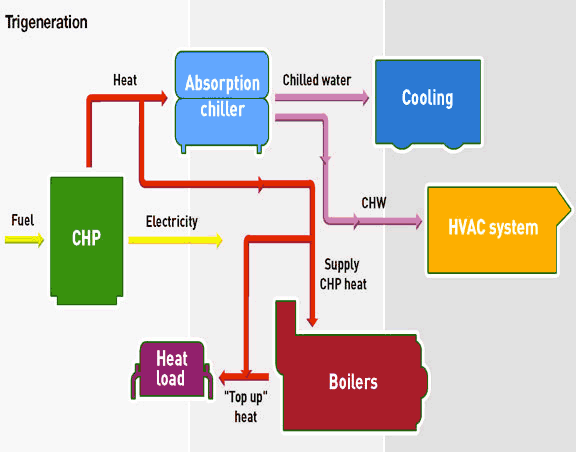
As the world shifts towards a more sustainable future, combined heat and power (CHP) systems are gaining popularity as a viable alternative to traditional heating solutions. In this article, we will delve into the benefits of CHP systems in residential buildings, exploring their potential to reduce energy consumption by up to 20% annually.
What is Combined Heat and Power?
Combined heat and power (CHP) systems produce both electricity and heat simultaneously using a single fuel source, such as gas or biomass. This approach allows for a significant reduction in energy waste and increases the overall efficiency of the system. In residential buildings, CHP systems can be particularly beneficial, especially when combined with high-efficiency heating and cooling systems.
Why is CHP Important?
The use of CHP systems in residential buildings has several advantages, including:
- Reduced energy consumption: By producing both electricity and heat simultaneously, CHP systems can reduce the overall energy demand on the grid, leading to lower energy bills.
- Increased efficiency: CHP systems are highly efficient, with some systems achieving efficiencies of over 90%.
- Lower emissions: By using a single fuel source and producing both electricity and heat, CHP systems can significantly reduce greenhouse gas emissions.
The Benefits of CHP in Residential Buildings
Studies have shown that the use of CHP systems in residential buildings can lead to significant energy savings. According to a study commissioned by Veronafiere, the use of high-efficiency CHP systems can reduce energy consumption by up to 20% annually compared to traditional heating solutions.
Some of the key benefits of using a high-efficiency CHP system include:
- Reduced energy bills: By reducing the overall energy demand on the grid, high-efficiency CHP systems can lead to lower energy bills for building occupants.
- Increased comfort and efficiency: High-efficiency CHP systems can provide both heating and cooling simultaneously, ensuring that building occupants are comfortable in all seasons.
- Lower greenhouse gas emissions: By producing electricity and heat from a single fuel source, high-efficiency CHP systems can significantly reduce greenhouse gas emissions.
Current Trends and Future Prospects
The interest in CHP systems has grown significantly over the past few years, driven by factors such as:
- Increased adoption of renewable energy sources
- Privatization and liberalization of the energy market
- Advances in technology that have improved the efficiency and reliability of CHP systems
As a result, there is expected to be a significant increase in the use of CHP systems in residential buildings over the next decade.
Challenges and Opportunities
While CHP systems offer numerous benefits, there are also challenges associated with their implementation. These include:
- High upfront costs: The cost of purchasing and installing a high-efficiency CHP system can be prohibitively expensive for some building owners.
- Complexity of system design and installation: CHP systems require careful planning and installation to ensure optimal performance and efficiency.
- Limited awareness among building occupants: Building occupants may not be aware of the benefits of using a high-efficiency CHP system, leading to limited adoption.
However, these challenges can be overcome with careful planning and investment in education and training.
Conclusion
Combined heat and power (CHP) systems have the potential to revolutionize the way we think about energy production and consumption in residential buildings. By reducing energy waste, increasing efficiency, and lowering emissions, CHP systems can play a critical role in achieving a more sustainable future.
Frequently Asked Questions
- What is combined heat and power?
Combined heat and power (CHP) systems produce both electricity and heat simultaneously using a single fuel source. - How does CHP reduce energy consumption?
By producing both electricity and heat, CHP systems can significantly reduce the overall energy demand on the grid, leading to lower energy bills. - What are the benefits of using a high-efficiency CHP system?
High-efficiency CHP systems can achieve efficiencies of over 90% and produce significant reductions in greenhouse gas emissions. - What factors have contributed to the growth in interest for CHP systems?
Increased adoption of renewable energy sources, privatization and liberalization of the energy market, and advances in technology have driven the growth in interest for CHP systems. - How can I implement a CHP system in my residential building?
Careful planning, investment in education and training, and consultation with experienced professionals are essential to successful implementation. - What are some common challenges associated with implementing a CHP system?
High upfront costs, complexity of system design and installation, and limited awareness among building occupants are some of the common challenges associated with implementing a CHP system. - Can CHP systems be used in conjunction with renewable energy sources?
Yes, CHP systems can be designed to work in conjunction with renewable energy sources, such as solar panels or wind turbines, to maximize efficiency and reduce emissions. - How do I measure the effectiveness of my CHP system?
Measuring the effectiveness of a CHP system involves monitoring energy consumption, greenhouse gas emissions, and overall system performance. - What are some common applications for CHP systems in residential buildings?
CHP systems can be used for heating, cooling, and electricity generation in residential buildings. - How do I choose the right CHP system for my needs?
Choosing the right CHP system requires careful consideration of factors such as energy consumption, greenhouse gas emissions, and system performance.


