
Introduction
When it comes to maintaining a healthy diet, incorporating natural substances that support overall well-being is crucial. One such substance is pectin, a type of carbohydrate found in various fruits and vegetables. In this article, we will delve into the world of pectin, exploring what it is, its benefits, and how it can be incorporated into your daily life.
What is Pectin?
Pectin is a soluble fiber made up of a chain of sugar molecules, known as polysaccharides. It is found in the cell walls of fruits and vegetables, particularly in apples, citrus fruits, and stone fruits. The pectin content can vary depending on the fruit, with apples containing around 1-1.5% pectin by weight.
The History of Pectin
Pectin has been used for centuries as a gelling agent in food production, particularly in jams and jellies. The ancient Romans used pectin to create gel-like substances from fruit juice, while the Chinese have long employed it as a natural adhesive. In recent years, research has highlighted the potential health benefits of pectin, leading to its growing popularity as a dietary supplement.
How Much Pectin Do We Consume?
We ingest a significant amount of pectin through our daily consumption of fruits and vegetables. On average, we consume around 3-4 grams of pectin per day, with apples being the main contributor to this intake. Other fruits like prunes, citrus fruits, and grapes also contain notable amounts of pectin.
Pectin in Different Fruits
The pectin content can vary greatly between different fruits. For example:
- Apples: 1-1.5% pectin
- Citrus fruits: 0.5% pectin
- Stone fruits: 0.4% pectin
- Prunes: 2-3% pectin
Pectin in Food Products
Pectin is also found in various food products, including:
- Marmalades and jams: High in pectin content, making them gel-like when cooked with sugar.
- Gelatin: Made from pectin, which dissolves in water to form a gel-like substance.
- Soy sauce and vinegar: Some brands use pectin as an ingredient in their production process.
Preparing Pectin at Home
While it’s possible to make your own pectin-rich products at home, such as marmalades and gelatines, it can be time-consuming and requires some skill. However, incorporating whole fruits into your diet is an easy way to boost your pectin intake.
Tips for Incorporating Pectin-Rich Foods into Your Diet
- Eat apples regularly: Apples are one of the richest sources of pectin, making them a great snack or addition to salads.
- Try different citrus fruits: Oranges, grapefruits, and lemons are all high in pectin content, making them perfect for juicing or snacking.
- Add stone fruits to your diet: Pears, peaches, and plums are all good sources of pectin, making them great additions to salads, smoothies, or baked goods.
- Make homemade marmalade: Use your favorite citrus fruits to create a delicious and healthy spread.
Pectin: Benefits for Health
The health benefits of pectin are numerous:
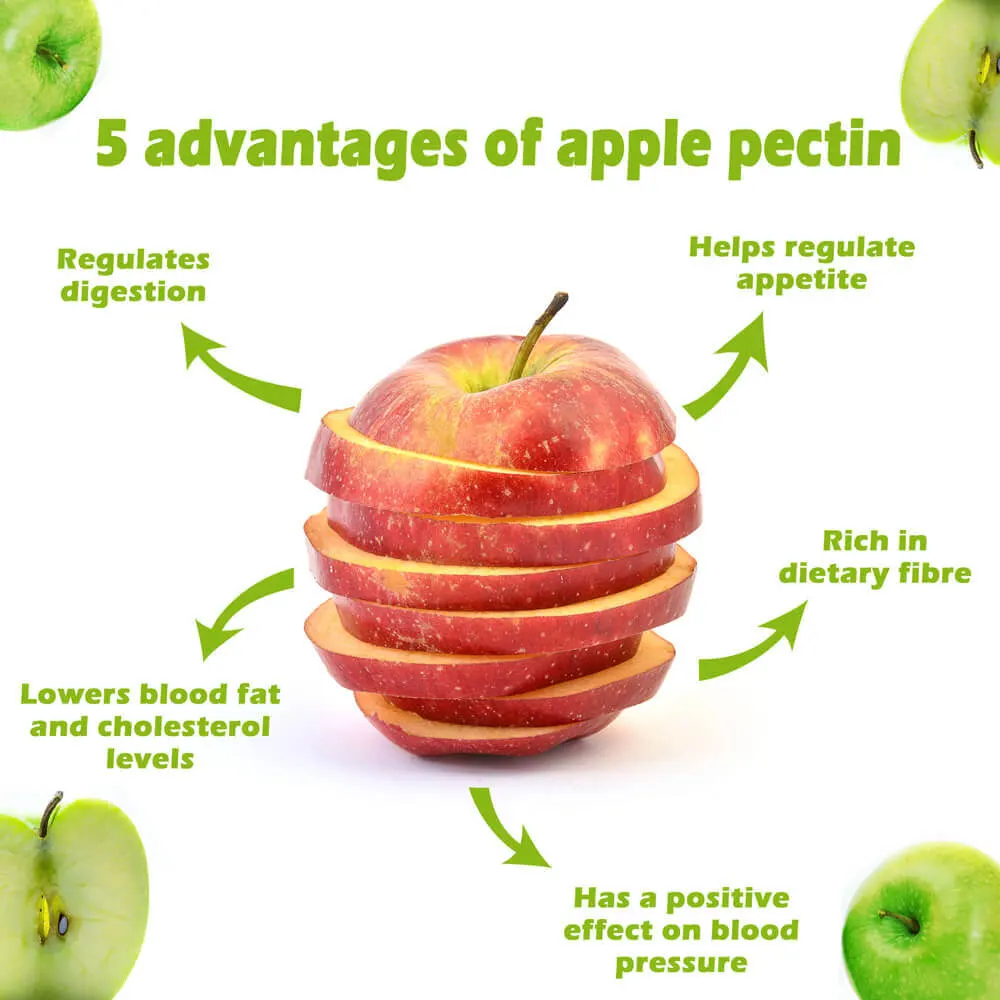
- Digestive health: Pectin helps regulate bowel movements, reducing the risk of constipation and diarrhea.
- Blood sugar control: Pectin slows down the absorption of sugar into the bloodstream, helping to maintain stable blood sugar levels.
- Cardiovascular health: Pectin may help lower cholesterol levels and reduce the risk of heart disease.
Pectin: Treating Specific Health Conditions
Pectin has been used as a natural remedy for various health conditions:
- Rigurgitation: Pectin can help alleviate symptoms of rigurgitation by thickening stomach contents.
- Atherosclerosis: The soluble fiber in pectin may help lower cholesterol levels and reduce the risk of heart disease.
Pectin and Gut Health
Research has highlighted the importance of gut health in maintaining overall well-being. Pectin can help regulate bowel movements, reducing symptoms of constipation and diarrhea. Additionally, pectin can help feed beneficial gut bacteria, supporting a healthy gut microbiome.
Pectin and Weight Management
Pectin may also play a role in weight management by:
- Reducing hunger: Pectin’s soluble fiber content helps keep you feeling fuller for longer.
- Slowing down digestion: Pectin can slow down the absorption of sugar, reducing the risk of overeating.
Conclusion
In conclusion, pectin is a natural substance found in various fruits and vegetables that offers numerous health benefits. By incorporating whole fruits into your diet, you can boost your pectin intake and reap its rewards for better overall health.
FAQs
- Q: What are the best sources of pectin?
A: Apples, citrus fruits, stone fruits, prunes, and marmalades are high in pectin content. - Q: Can I make my own pectin-rich products at home?
A: Yes, but it requires some skill and time. - Q: How does pectin affect blood sugar levels?
A: Pectin slows down the absorption of sugar into the bloodstream, helping to maintain stable blood sugar levels. - Q: Can pectin help lower cholesterol levels?
A: Yes, pectin may help reduce cholesterol levels and improve cardiovascular health. -
Q: What are some potential side effects of consuming high amounts of pectin?
A: Some individuals may experience bloating or gas due to the high fiber content in pectin. -
Q: Can I take pectin supplements if I’m not a fan of eating fruits and vegetables?
A: While possible, it’s recommended to incorporate whole foods into your diet whenever possible. -
Q: How much pectin should I consume daily for optimal health benefits?
A: The ideal amount of pectin consumption varies depending on individual needs, but generally ranges from 3-4 grams per day. -
Q: Can pectin be used as a natural remedy for digestive issues?
A: Yes, pectin may help alleviate symptoms of constipation and diarrhea due to its soluble fiber content. -
Q: How does pectin interact with medications?
A: Pectin can interact with certain medications, such as blood thinners and diabetes medications. Consult with a healthcare professional before taking pectin supplements. -
Q: Can I consume too much pectin?
A: While pectin is generally considered safe in moderation, consuming excessive amounts may cause gastrointestinal issues.


