
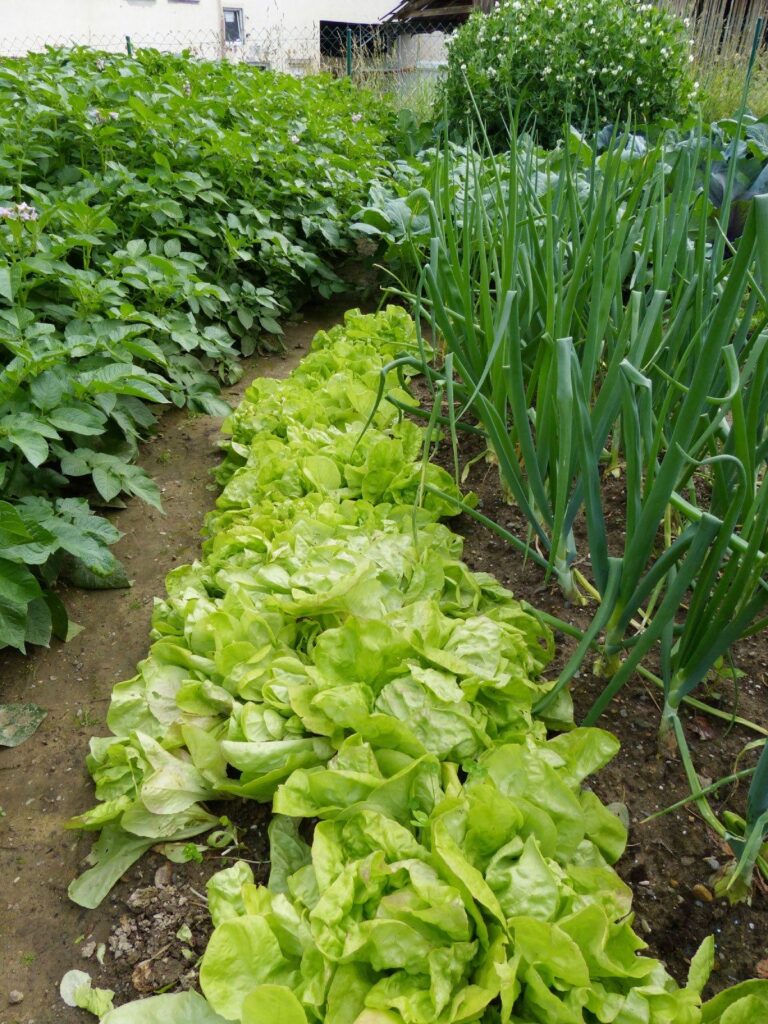
As a gardener, you’re likely no stranger to the concept of companion planting. But have you ever stopped to consider why this technique is so effective? In this article, we’ll delve into the world of consociation, exploring its benefits, best practices, and real-world examples.
What is Consociation?
Consociation is the practice of growing different plant species together in close proximity. By doing so, you can create a more diverse and resilient garden ecosystem that’s better equipped to thrive in the face of pests, diseases, and environmental stressors. This technique requires careful planning and consideration of the individual needs and characteristics of each plant.
Why is Consociation Important?
By growing different plants together, you can:
- Reduce pest and disease pressure: Some plants repel or distract pests that might target other plants in your garden.
- Improve soil health: Legumes, such as beans and peas, fix nitrogen in the soil, making it more fertile for other plants.
- Increase biodiversity: Consociation promotes a more diverse garden ecosystem, which can lead to improved pollination, pest control, and overall plant health.
Consociation and Leguminous Plants
Legumes are an excellent choice for consociation. These nitrogen-fixing plants have the ability to enrich the soil, making it more conducive to the growth of other plants. Some popular legume options include:
- Beans: Bush beans, pole beans, and snap beans all benefit from consociation with other plants.
- Peas: Sugar snap peas, snow peas, and shelling peas are all great choices for consociation.
- Lentils: These small, nutritious legumes are perfect for adding to your garden.
Legumes have several benefits when it comes to consociation. For example:
- Nitrogen fixation: Legumes have the ability to fix nitrogen in the soil, making it more available to other plants.
- Root growth: The roots of legumes can help to break up compacted soil and improve drainage.
- Shading: Tall legumes like beans and peas can provide shade for other plants, reducing soil temperature and preventing moisture loss.
Consociation and Aromatic Plants
Aromatic plants can add a unique dimension to your garden. Some popular options include:
- Basil: This fragrant herb repels pests that might target other plants in your garden.
- Mint: Mint is notorious for its ability to spread quickly, but it also has natural pest-repelling properties.
- Rosemary: This evergreen herb is a great choice for consociation with other plants.
Aromatic plants can be used in various ways when it comes to consociation. For example:
- Repellent properties: Certain aromatic plants, like mint and basil, can repel pests that might target other plants.
- Attracting beneficial insects: Aromatic plants can attract beneficial insects, like bees and butterflies, which can help pollinate your garden.
- Improving soil health: Some aromatic plants, like rosemary, have the ability to improve soil health by attracting beneficial microorganisms.
Consociation and Annuals
Annuals can add color, texture, and interest to your garden. Some popular options include:
- Marigolds: These bright, cheery flowers repel nematodes, which can harm other plants in your garden.
- Sunflowers: These towering flowers are a great choice for consociation with other plants.
- Zinnias: These colorful flowers come in a variety of shapes and sizes, making them perfect for adding to your garden.
Annuals have several benefits when it comes to consociation. For example:
- Quick blooming: Annuals can provide an instant pop of color in your garden, attracting beneficial insects and improving soil health.
- Companion planting: Many annuals, like marigolds, can be used as companion plants to repel pests and improve soil health.
- Easy succession: Annuals can be easily replaced with new ones each season, making them a great choice for consociation.
Consociation by Growth Habit
When it comes to consociation, there are several growth habits to consider. Some popular options include:
- Rampant plants: Plants like peas and beans have a vigorous growth habit that can spread quickly.
- Shrubs: Shrubs like rosemary and lavender have a more compact growth habit that’s perfect for consociation with other plants.
Growth habits can be an important consideration when it comes to consociation. For example:
- Companion planting: Plants with different growth habits, like sprawling legumes and shrubby herbs, can complement each other in the garden.
- Shading: Tall plants with vigorous growth habits, like sunflowers, can provide shade for smaller plants in your garden.
- Pruning: Regular pruning of plants with different growth habits can help maintain a balanced and harmonious garden ecosystem.
Consociation in Practice
So, how do you put consociation into practice? Here are some tips to get you started:
- Choose compatible plants: Select plants that have similar growing conditions and requirements.
- Consider the growth habit: Choose plants that will complement or contrast with each other’s growth habits.
- Start small: Begin with a few plants and see how they work together before expanding your consociation.
- Monitor and adjust: Keep an eye on your plants’ performance and make adjustments as needed.
Some common mistakes to avoid when practicing consociation include:
- Overcrowding: Avoid overcrowding, which can lead to reduced air circulation, increased disease pressure, and decreased plant growth.
- Neglecting pest management: Consociation is not a substitute for proper pest management. Regularly monitor your plants for pests and diseases and take action when necessary.
- Not monitoring plant performance: Keep an eye on your plants’ performance and make adjustments as needed. This will help ensure that your consociation is working effectively.
FAQs
Here are some frequently asked questions about consociation:
- Q: What are the benefits of consociation?
A: Consociation can improve soil health, reduce pest and disease pressure, and increase biodiversity. - Q: How do I choose compatible plants for consociation?
A: Choose plants that have similar growing conditions and requirements. - Q: Can I use mulch with my consociation?
A: Yes, mulch can help retain moisture and suppress weeds in your garden. - Q: What are some common mistakes to avoid when practicing consociation?
A: Avoid overcrowding, neglecting pest management, and not monitoring plant performance.
Conclusion
Consociation is a powerful technique for improving the health and resilience of your garden. By growing different plants together in close proximity, you can create a more diverse and thriving ecosystem that’s better equipped to handle the challenges of gardening. Whether you’re a seasoned gardener or just starting out, consociation is an excellent way to add depth, complexity, and beauty to your outdoor space.


