
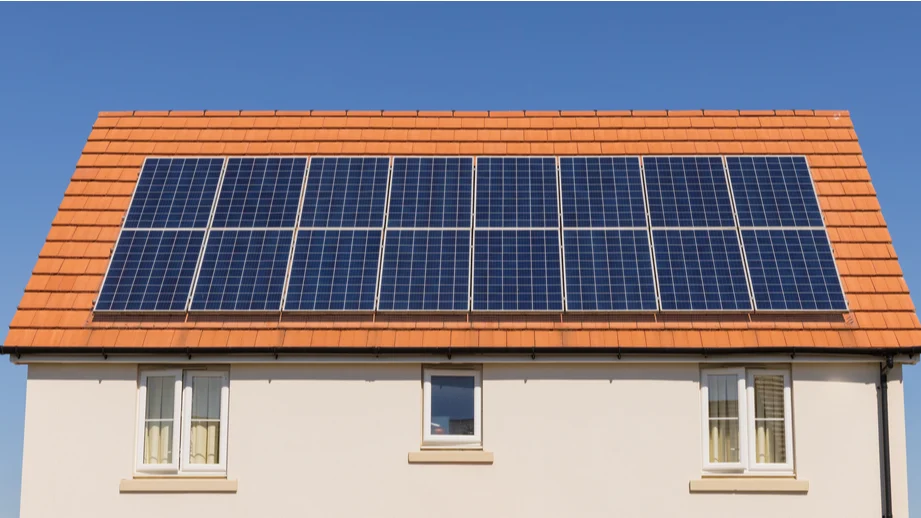
Are solar panels right for you? Let’s explore some key factors to consider, including the benefits of renewable energy, tax incentives, and the cost of installation. As energy prices continue to fluctuate, investing in solar panels can be a wise decision.
The Importance of Renewable Energy
Renewable energy sources like solar power are becoming increasingly important as we transition away from fossil fuels. By harnessing the sun’s energy, we can reduce our reliance on non-renewable resources and mitigate climate change. While fossil fuels still dominate the energy landscape, renewable energy sources like solar, wind, and geothermal are gaining traction.
Why Install Solar Panels at Home?
Installing solar panels at home is a practical way to tap into renewable energy and save money on your electricity bills. In fact, it’s often the most cost-effective option for homeowners. So, when does it make sense to install solar panels?
Factors to Consider When Installing Solar Panels
Before deciding whether to install solar panels, consider the following factors:
Exposure to Sunlight
Sunlight exposure is crucial for generating electricity from solar panels. Check your area’s average sunlight hours using online tools like Enea’s Solar Atlas or visit Solar Italy’s website.
- The amount of sunlight your property receives will impact its suitability for solar panels.
- Areas with high levels of cloud cover may not be ideal for solar panel installation.
- Researching the average sunlight hours in your area can help you determine whether solar panels are a good fit.
Cost of Installation and Panel Prices
The cost of installation can be significant, but it’s essential to consider the long-term benefits. Research current prices and read articles on the topic to get a better understanding.
- The cost of solar panel systems has decreased significantly over the years.
- However, there may still be upfront costs associated with installing solar panels.
- Researching current prices can help you make an informed decision about whether solar panels are right for your home.
Government Incentives and Tax Credits
Governments offer incentives for installing solar panels, including tax credits that can cover up to 50% of the installation cost. Learn more about the current incentives available in your area.
- The Solar Investment Tax Credit (ITC) is a popular incentive for homeowners looking to install solar panels.
- The ITC allows homeowners to claim a tax credit for a portion of their solar panel system’s installation cost.
- Researching current incentives can help you determine whether installing solar panels is right for your home.
Payback Period
How long will it take for your solar panel system to pay for itself? Researching the payback period can help you make an informed decision.
- The payback period varies depending on factors like your energy usage, installation cost, and local incentives.
- On average, a solar panel system takes around 8-12 years to pay for itself.
- However, this timeframe may vary depending on your specific situation.
Getting Started with Solar Panels
Before investing in solar panels, consider the following:
- Assess Your Property’s Suitability for Solar Panels
- Research local building codes and regulations
- Consult with a professional installer
- Research Local Incentives and Tax Credits
- Learn more about current incentives available in your area
- Consult with a Professional Installer
- Get personalized advice from an experienced solar panel installer
By carefully evaluating these factors, you can determine whether installing solar panels is right for you.
Common Solar Panel Installations
- Residential installations: Ideal for homeowners looking to reduce their energy costs and contribute to renewable energy.
- Commercial installations: Suitable for businesses looking to decrease their energy bills and boost their brand reputation.
- Agricultural installations: Perfect for farmers and landowners looking to generate electricity from solar power.
Solar Panel System Design
A well-designed solar panel system is essential for optimal performance. Consider the following:
- System Size
- Determine your energy needs based on your energy usage patterns
- Panel Type
- Research different types of solar panels, including monocrystalline and polycrystalline options
- Mounting System
- Choose a mounting system that suits your roof type and local building codes
By carefully evaluating these factors, you can ensure a well-designed solar panel system that meets your energy needs.
Solar Panel Maintenance
Regular maintenance is crucial for optimal performance of your solar panel system. Consider the following:
- Clean Your Panels Regularly
- Use a soft brush or hose to remove dirt and debris from your panels
- Inspect Your System Regularly
- Check for any damage or wear and tear on your panels and mounting system
- Perform Routine Maintenance Tasks
- Research regular maintenance tasks recommended by the manufacturer
By maintaining your solar panel system regularly, you can ensure optimal performance and extend its lifespan.
Conclusion
Installing solar panels can be a wise decision for homeowners looking to reduce their energy costs and contribute to renewable energy. By understanding the benefits of solar power, considering factors like exposure to sunlight and cost, and exploring government incentives, you can make an informed decision about whether solar panels are right for your home.
FAQs
- How do I determine if my property is suitable for solar panels?
- Consult with a professional installer or conduct research on local building codes and regulations.
- What are the current government incentives for installing solar panels?
- Research current tax credits and incentives available in your area.
- How long does it take to pay back an investment in a solar panel system?
- Researching the payback period can help you make an informed decision about investing in solar panels.
- What is the average cost of installing a solar panel system?
- Research current prices and read articles on the topic to get a better understanding.
- How do I ensure that my solar panel system is installed correctly?
- Consult with a professional installer who has experience with your type of roof and local building codes.
By answering these questions, you can make an informed decision about whether installing solar panels is right for your home.


